

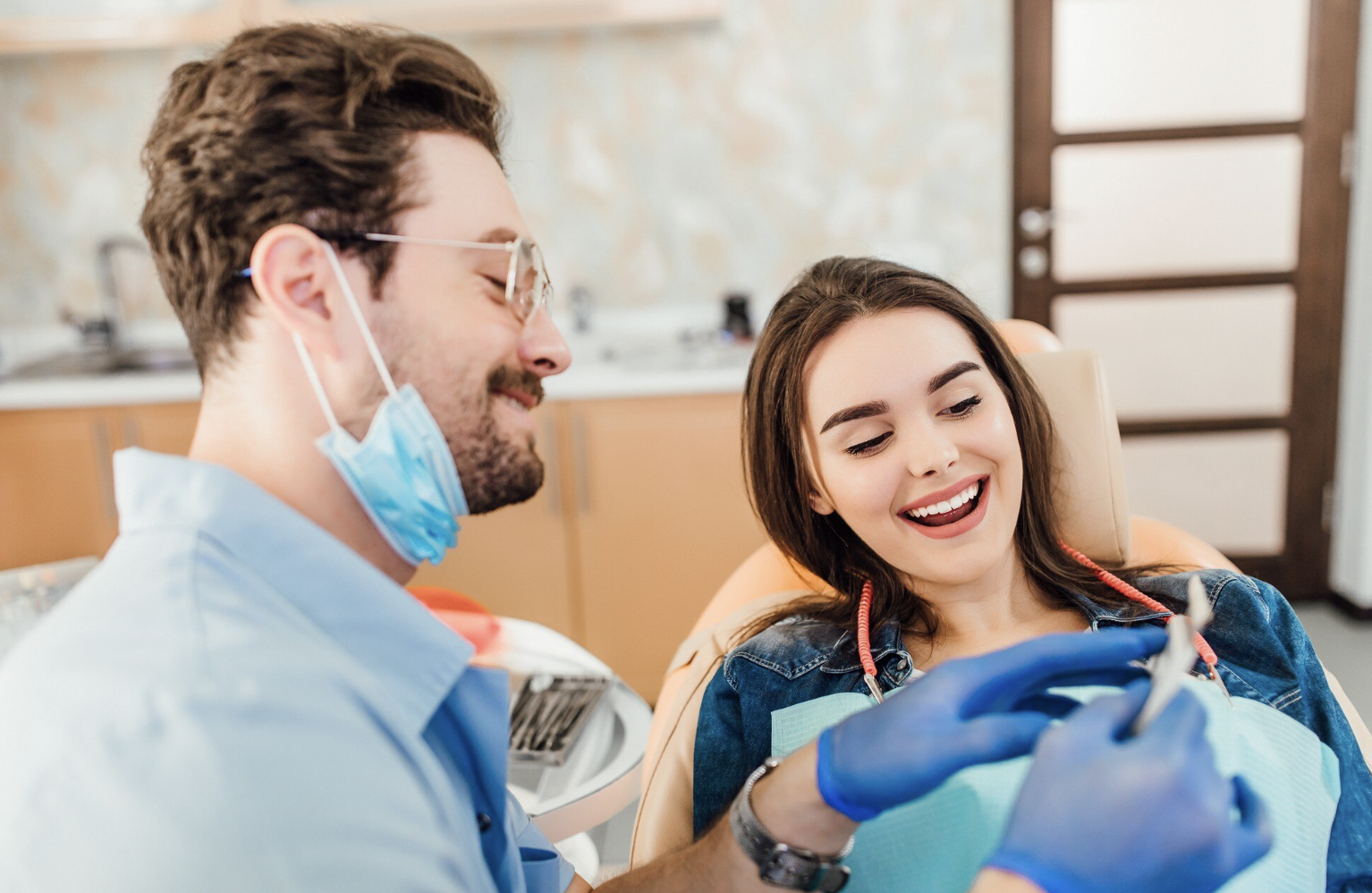
A confident smile supports dignity during later life. Meals become easier to enjoy. Conversations remain clear and relaxed. Social gatherings also feel more pleasant.
However, growing older often changes oral conditions. Enamel slowly weakens with time. Gum tissue also becomes more delicate.
Therefore, consistent professional attention remains essential. Routine visits reveal early warning signs. Additionally, expert guidance improves everyday hygiene habits.
Healthy oral structures support complete wellness. Consequently, maintaining strong teeth improves independence and comfort throughout aging years.
Why Mature Adults Need Focused Dental Monitoring
The body gradually changes with time. Likewise, oral structures also shift slowly. Protective enamel layers may thin. Soft tissue can recede over decades.
Meanwhile, saliva flow often declines with age. Reduced moisture creates dryness inside the mouth. Consequently, harmful bacteria multiply faster.
Certain prescriptions also influence moisture levels. Blood pressure medicine frequently causes this effect. Allergy treatments sometimes produce similar dryness.
Three issues commonly appear among older adults:
- Increased cavity formation
- Gum disease affecting support tissue
- Gradual tooth loss from untreated damage
Additionally, oral conditions connect closely with overall wellness. Studies highlight links between gum infection and chronic illness.
For instance, heart complications sometimes relate to periodontal inflammation. Diabetes management also becomes harder with poor oral hygiene.
Therefore, preventive dental care remains vital for long term health stability.
How Preventive Dentistry Preserves Oral Strength
General dental practice focuses on prevention, detection, and restoration. These principles help maintain strong oral function.
First, regular assessments identify hidden problems early. Professionals examine teeth, soft tissue, bite alignment, and jaw movement carefully.
Consequently, small issues appear before discomfort begins.
Second, early discovery simplifies treatment significantly. Minor cavities require quick fillings. Meanwhile, gum irritation receives immediate attention.
Furthermore, restorative care strengthens damaged areas effectively. Crowns protect weakened structures from fracture.
Bridges or dentures replace missing teeth successfully. Thus, chewing strength remains stable during daily meals.
Routine appointments also build long term care strategies. Moreover, they reduce unexpected dental emergencies.
Essential Treatments Supporting Senior Oral Health
Several routine procedures benefit older adults greatly. These services maintain structure while supporting everyday comfort.
Comprehensive Oral Examinations
Dentists evaluate tooth surfaces, gum tissue, tongue health, and bite position. Additionally, screenings help detect early oral cancer signs.
Professional Hygiene Cleaning
Dental hygienists remove sticky plaque and hardened tartar. Consequently, inflammation reduces significantly.
Digital Radiography
Modern X-rays reveal hidden decay beneath enamel. They also show bone loss near roots.
Protective Fillings
Small cavities require immediate restoration. Quick treatment stops further damage effectively.
Dental Crowns
Crowns strengthen cracked or worn structures. Therefore, chewing force remains balanced and comfortable.
Tooth Replacement Solutions
Dentures or bridges restore missing structures. Speech clarity improves significantly.
Night Guards
Protective guards prevent grinding damage during sleep. Consequently, enamel erosion slows.
Together, these services form a reliable foundation for lifelong oral stability.
Recommended Appointment Frequency for Aging Adults
Regular dental visits remain essential throughout life. Most seniors benefit from two annual checkups.
However, certain individuals require additional monitoring. Dentists determine schedules using several factors:
- Present oral condition
- Medical history and medications
- Personal hygiene ability
For example, people with diabetes often require more frequent visits. Meanwhile, gum infection patients may need quarterly monitoring.
Shorter appointments often improve comfort levels. Consequently, treatment becomes easier to manage.
Consistent evaluations prevent complex procedures later.
Managing Dry Mouth Caused by Medication
Dry mouth appears frequently among older adults. Many prescriptions reduce saliva production.
Saliva protects oral structures naturally. It washes food particles away. Additionally, it neutralizes harmful acids.
Without enough moisture, bacteria grow quickly. Consequently, cavities develop more easily.
Dentists often suggest simple solutions:
- Saliva supporting mouth rinses
- Sugar free chewing gum
- Increased fluoride protection
Additionally, professionals sometimes coordinate with physicians regarding medication effects.
Therefore, treatment plans support complete health needs. These adjustments reduce decay risk significantly.
Healthy Gums Strengthen Whole Body Wellness
Gum health affects more than appearance. Periodontal infection spreads slowly beneath gumlines.
Early warning signs often remain subtle. However, several symptoms require attention:
- Bleeding during brushing
- Persistent unpleasant breath
- Loose teeth sensation
Many individuals believe bleeding gums are normal. However, healthy tissue should not bleed regularly.
Professional cleaning removes bacteria hiding below the gumline. Dentists also demonstrate improved brushing methods.
Consequently, inflammation decreases over time. Reduced gum disease also benefits cardiovascular wellness.
Combining Home Hygiene With Professional Care
Daily routines protect oral health effectively. However, professional treatment remains equally important.
Daily Home Care
Brushing twice daily removes fresh plaque buildup. Interdental cleaning eliminates trapped debris.
Professional Cleaning
Special tools remove hardened tartar unreachable by toothbrushes.
Routine Examinations
Dentists detect hidden concerns early.
Diagnostic Imaging
Radiographs reveal internal issues invisible during visual inspection.
Together, these steps form a comprehensive protection system. Consequently, natural teeth remain stronger for longer.
Supportive Solutions for Mobility Challenges
Some older adults face mobility limitations. Memory concerns may also affect hygiene routines.
Fortunately, dental professionals adapt treatment plans accordingly.
Helpful solutions include:
- Short appointments scheduled during comfortable hours
- Written hygiene instructions for caregivers
- Adaptive toothbrush handles for easier grip
Caregivers can also monitor speech or eating changes. Additionally, updated medication lists help dental teams during evaluations.
Collaborative care therefore improves long term stability.
Daily Habits That Protect Oral Health
Professional treatment alone cannot maintain oral wellness. Daily habits strongly influence results.
Several simple practices make a major difference:
- Limit sugary snacks between meals
- Drink water frequently
- Brush using fluoride toothpaste
Balanced nutrition also strengthens enamel and gum tissue. Dentists often recommend practical diet adjustments.
These small habits create powerful protection.
Strong Smiles Support Independence
Healthy teeth improve confidence and comfort. Eating remains easy. Conversations stay clear.
General dentistry helps seniors maintain these everyday abilities.
Even denture users benefit from routine evaluations. Dentists monitor gum health and jawbone stability carefully.
Preventive care reduces pain and improves nutrition. Consequently, independence remains stronger during later life.
Consistent dental care therefore becomes an investment in long term health and happiness.