

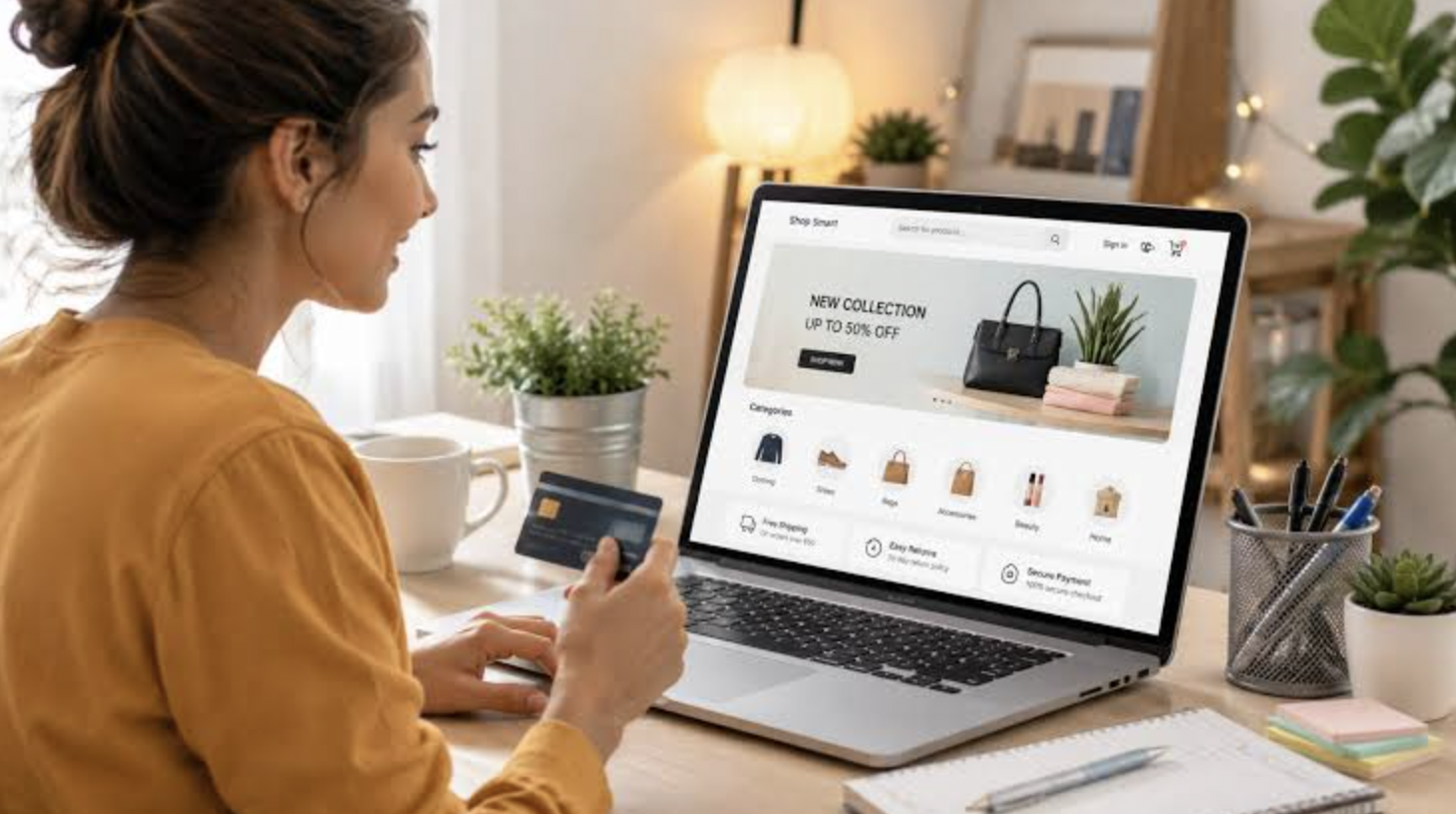
Fake online stores have become so polished that even careful shoppers get caught, and the cost is usually money gone and a card number in the wrong hands. A scam shop can be built in an afternoon, copied from a real retailer and promoted with paid ads on the same platforms you use every day.
In this article we will discuss how fake stores work, the warning signs worth checking, which payment methods protect you best and what to do if you have already paid.
Fake Stores Borrow Trust From Real Ones
A fake store does not need clever technology; it needs your trust for about two minutes. Scammers copy product photos, descriptions and even the layout of a well-known retailer, then register a web address that looks close enough to pass at a glance. They add a padlock symbol in the browser, a stock photo of a smiling support agent and a few five-star reviews, and the page looks as professional as any legitimate shop.
The padlock deserves a note, because many people still treat it as a safety badge. It only means the connection between your browser and the site is encrypted, and anyone can get that for a fake store. It tells you nothing about whether the owner is honest.
How People End up There
Most victims do not type a web address; they follow a link. Paid ads on social media and search engines are a common route, as are posts from hijacked accounts and messages that promise a deal. A scam ad often shows a popular item at a price that seems like a lucky find, such as a branded coat, a garden tool or a piece of furniture marked down heavily because of a store closing or a warehouse clearance. The clock in the corner counting down to the end of the sale is part of the script.
What the Scammer Wants
The fraudster has two ways to profit. In the first, you pay and nothing ever arrives, or something cheap and unrelated shows up, such as a tiny item in place of the large one you ordered. In the second, the real goal is your payment card details, your name, address and phone number, which can be used for later fraud or sold. Either way, a low price is the bait and the checkout page is the trap.
Timing matters to them as well. Fake stores multiply before holidays, during big sales seasons and around the launch of any popular product, when shoppers are hunting for bargains and expect stock to run short. They also appear after news events, selling items linked to a trend, so the more urgent and fashionable the product, the more careful you should be.
Some scam shops are built on a drop-shipping model in which an ordinary merchant takes the order and sends a low-quality product from overseas. This sits in a gray area between a scam and a poor business, but the outcome for the buyer is similar: a long wait, a bad item and no usable refund route. Treat these the same as fraud when deciding whether to buy.
One more variation is the cloned store, where a scammer copies a real shop’s whole website, including its name and logo, and changes only the payment page and the web address. Because everything else is identical, you cannot spot it by design alone. This is why checking the address and the route you took to the site matters more than how polished the page looks.
Red Flags on the Store Itself
No single sign proves a site is fake, and a few of the points below can show up on honest small shops. What matters is how many appear together. Spend two minutes going through the following checks before you enter any payment details.
The Web Address
Read the address character by character. Scammers swap letters, add hyphens, insert extra words such as outlet, sale or discount, or use an unusual ending in place of the familiar one. A shop claiming to be a famous brand but sitting on an address with additional words and a cheap-looking ending is a warning sign. Type the address of the brand yourself and compare, rather than relying on a link you were sent.
Prices that Make no Sense
Heavy discounts on high-demand goods are the classic sign. A retailer cannot sell a popular item at half the going rate and survive, so if every price on the site is far below everywhere else, ask yourself where the profit is. A simple test is to search for the item elsewhere and compare; if every other seller charges much more, treat the cheap one as suspect rather than as a find.
Contact Details and Policies
Look for a physical address, a working phone number and an email on a domain that matches the shop, not a free webmail address. Search the address on a map and see whether it is a real business location or an empty lot or a house. Read the returns and shipping policy; scam sites often have vague text, copied wording from another store, odd grammar or missing details on who pays for return shipping. A returns window that is oddly short, or a refund that is only offered as store credit, is another warning.
Payment Options at Checkout
If the checkout only offers bank transfer, cryptocurrency, a payment app between friends or gift cards, leave. Legitimate shops accept mainstream cards and well-known payment services because those give buyers protection, and scammers avoid them for exactly that reason. A shop that suddenly asks you to pay outside the site, perhaps after you contact them through a message, should be treated as a scam.
Reviews and Social Proof
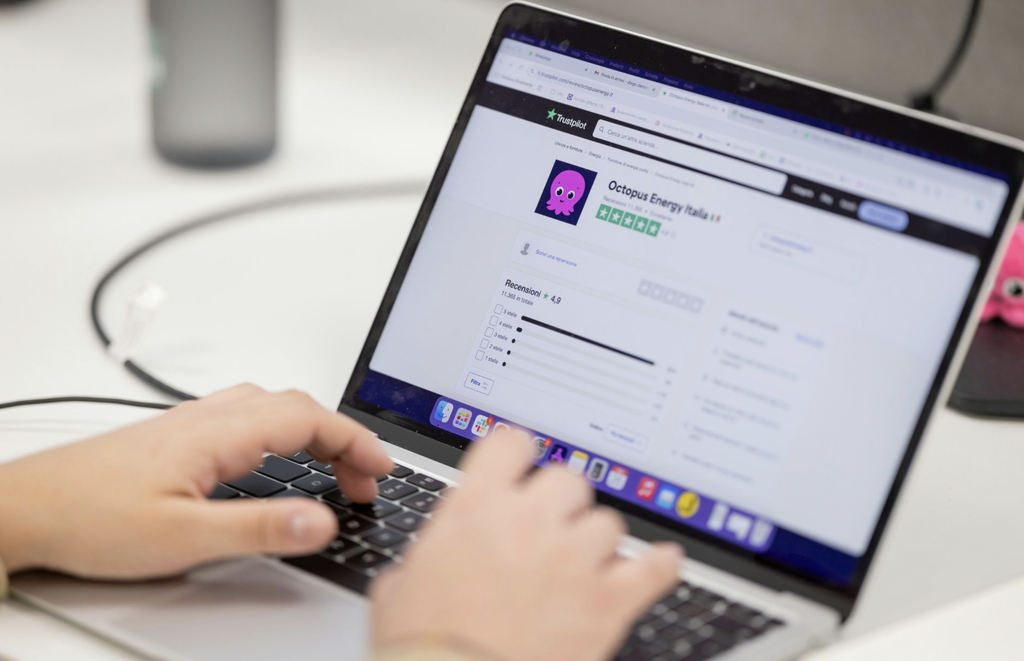
Reviews on the shop’s own pages prove very little, because they are easy to fabricate. Look for repeated phrases, a burst of reviews posted within the same few days, or reviews that praise the site in generic words with no detail about the product. Also check the social media accounts linked from the site; a page that was created recently, has few real interactions and shares only the same promotional posts is a sign of a throwaway operation.
Look closely at the photos too. Product images that look like professional catalogue shots, with no variation between items, may be stolen. Mismatched currencies, prices shown in a different country’s money, or text that reads like it has been run through an automatic translator are all small clues. If the site claims to be local but the shipping time is several weeks from overseas, the story does not add up.
Research a Shop Before You Pay
If a shop passes the first look but you have never heard of it, spend a few more minutes on research. This is the step that stops most losses, and it costs nothing. Search for the shop’s name together with words such as scam, reviews and complaints.
Read independent review sites and consumer forums, and give more weight to detailed, mixed reviews than to a page full of identical praise. Be aware that a lack of negative reviews can simply mean the site is new, which is itself a reason for caution. A shop that has been trading for years usually leaves a trail, whereas a store that appeared a few weeks ago and is advertising heavily deserves suspicion.
You can also look up when the web address was first registered using a public domain lookup service. A shop claiming to have served customers for twenty years on an address registered a month ago is almost certainly not telling the truth. Some countries also have official registers where businesses must list themselves, so check whether the company name and registration number on the site match the register in the country where it says it is based.
Try contacting the shop with a question before ordering. A real business will usually answer within a day or two with specific information, while a scam site may ignore you, reply with a vague canned message or push you to hurry. If a browser or security tool shows a warning about the site, believe it, though an absence of a warning proves nothing, since new fake sites take time to be flagged.
Lastly, check the brand directly. If the shop claims to sell a well-known brand, go to the brand’s own website and look at its list of authorized sellers or its store finder. Many brands publish warnings about fake sites that use their name. If the item is only available at the strange shop and nowhere official, that tells you what you need to know.
If the shop still looks plausible, place a small test order before a big one, using a protected payment method, and see what arrives and how the shop behaves. This is not a perfect safeguard, because some scammers deliver cheap items on small orders to build trust, but it can reveal slow shipping, poor quality and unhelpful support early, when only a little money is at stake.
Payment Methods and the Protection Each Offers
How you pay decides how much help you can get if something goes wrong. The rules differ by country, card network, bank and payment provider, so treat the table below as a general guide and check your own bank’s terms. The broad pattern, though, is consistent in many places: payments that can be reversed or disputed are safer than payments that cannot.
| Payment method | Typical protection | Notes |
| Credit card | Often strongest; many places give legal or network dispute rights | Report unauthorized or undelivered purchases quickly |
| Debit card | Dispute rights usually exist but money leaves your account at once | Refund may take longer, and your cash is tied up meanwhile |
| Well-known payment service | Buyer protection programs, with conditions and time limits | Pay for goods, not as a personal transfer to a friend |
| Virtual or single-use card number | Limits what a fake shop can take | Offered by some banks and wallets |
| Bank transfer | Weak; hard to recall once sent | Avoid for strangers |
| Cryptocurrency | Usually none | Transactions are generally not reversible |
| Gift cards | None in practice | A request to pay this way is a sign of fraud |
Why Credit Cards Usually Come out Ahead
With a credit card the money at stake is the bank’s until you pay the bill, so you are not out of pocket while a dispute is investigated, and many countries and card networks give you formal rights to challenge a charge for goods that never arrived. Details vary, including time limits and what evidence you must supply, so look up your card provider’s rules before you need them.
Wallets and Virtual Cards
Digital wallets on phones and some bank apps hide the real card number behind a one-time code, so a fake shop never sees the number that could be reused. Some banks also let you create a virtual card with a spending limit. Setting the limit to the exact purchase amount is a small step that caps the damage if a site turns out to be fraudulent.
Keep one card for online buying and use it for nothing else, ideally one with a low limit and with alerts switched on for every transaction. That way an unfamiliar charge reaches your phone within seconds, and cancelling a single card is easy because no regular bills are tied to it. Many banks let you freeze and unfreeze a card in their app, and a card that is frozen between purchases cannot be misused.
Payments that Should End the Conversation
Be firm about this: a seller who will only take a bank transfer to a personal account, a payment app set up for sending money to friends, cryptocurrency or gift cards is steering you away from protection. No legitimate retailer needs a gift card as payment. Tell the seller you will pay by card or not at all, and walk away if they refuse.
Cash-on-delivery has its own risk. It sounds safe because you pay only when the parcel arrives, but a scammer may send an empty box or a worthless item and you will have paid before you can open it. Ask whether you may inspect the package first, and if the courier refuses, do not hand over cash.
Marketplaces and Social Media Listings
Not every scam comes from a store with its own website. Online marketplaces, classified ads and social media shops give scammers a ready-made audience and the borrowed credibility of a familiar platform. The platform may offer protection for purchases made inside its system, so the first rule is to keep the entire deal on the platform.
Common tricks include a seller who says the item is in high demand and asks you to move the chat to a private messaging app or to pay by transfer to avoid fees. Another is the overpayment scam aimed at sellers: a buyer sends a payment, claims they paid too much by mistake and asks you to refund the difference, and later the original payment is reversed or turns out to be fake. Never send goods or money back until the funds have fully cleared in your account, and know that a check or a payment that shows up as pending is not the same as cleared money.
On social media, be wary of shops that appear in your feed after you mention a product, a new account with no history selling expensive items, and sellers who disable comments on their posts. Look at the account’s age, its earlier posts and whether images appear on other pages. Searching for a product photo with a reverse image search often shows it was lifted from a legitimate store.
For second-hand goods, meet in a public place when collecting, inspect the item before paying and be suspicious of a seller who claims to be abroad or unable to meet and wants to ship after payment. Used cars, rentals, event tickets and pets are popular targets, because buyers feel urgency and often pay a deposit before seeing anything. For these, insist on seeing the item or property in person, or on a live video call that shows it clearly, before sending money.
Delivery Texts, Refund Offers and Subscription Traps
Some scams begin after you have bought something real, or when you have bought nothing at all. Fraudsters know that most people are expecting a parcel at any given time, and they exploit that.
Fake Delivery Messages
A text or email says a parcel could not be delivered and asks you to pay a small fee or confirm your address through a link. The link leads to a page that collects card details or login information. The amount is small so you will not think twice, but the real goal is your card number. If you are expecting a delivery, go to the carrier’s official website or app by typing it yourself, and enter the tracking number there. If you are not expecting anything, ignore the message.
Refund and Customer Service Scams
After a real purchase, someone may contact you claiming to be from the retailer or the marketplace and say there was a pricing error, a double charge or a problem with your order. They offer a refund and ask for access to your device or your banking details to process it. A legitimate company will not ask you to install remote access software or to read out a one-time code from your bank. If you are worried, hang up and contact the company using the details on its official site or on the back of your card.
Free Trials and Hidden Subscriptions
Some shops and apps advertise a free or very cheap trial that quietly turns into an expensive monthly subscription, often with the terms hidden in small print or a pre-ticked box. Read the checkout page before confirming, look at the total due today and later, and set a calendar reminder for the end of any trial. If you spot an unexpected recurring charge on your statement, contact the merchant first and your card provider if it does not help. Using a virtual card with a cap makes these charges easier to stop.
Fake Reviews that Lead to Cash-back Schemes
Another trick offers a refund for writing a positive review, or a free product in exchange for a five-star rating, then asks for your payment details to send the refund. Real companies do not need your banking details to pay you for a review. Treat any offer that mixes reviews with payment requests as suspicious.
Recovering After a Payment Goes Wrong
If you realize you have paid a scammer, act quickly, because time limits on disputes are real and money is easier to recover in the first days. Do not feel embarrassed; these operations fool smart people every day, and reporting them helps others.
Contact your bank or card provider straight away, using the phone number on the back of your card. Explain that you were the victim of fraud or that the goods never arrived, and ask to dispute the charge and, if the card details were exposed, to block the card and issue a new one. Gather evidence first if you can: screenshots of the website, product pages, order confirmations, emails and messages, and the web address. Do this before the site vanishes, which scam sites often do.
If you paid through a payment service, use its dispute or resolution process and meet its deadline. If you paid by bank transfer, call the bank immediately, since a quick call sometimes allows the bank to contact the receiving bank before funds are moved on. Recovery is much less likely with gift cards and cryptocurrency, but report it anyway.
If you entered a password anywhere, change it on that account and on any other account that uses the same password, and turn on two-step verification. Watch your statements for several weeks for small test charges that scammers use to check a card works. If you gave personal details such as a national identity number, consider the identity protection steps your country offers, such as a credit file alert or freeze.
Report the scam to the relevant authority in your country, which is often a consumer protection agency, a national fraud reporting center or the police for larger losses. Report the site to the platform that showed the ad, and to the web hosting company or domain registrar if you can identify them. Reports rarely bring back a specific loss, but they feed the evidence that gets scam sites taken down. For serious financial losses or identity theft, consider talking to a qualified financial adviser or a consumer advice organization.
Final Thoughts: A Short Routine for Every Purchase
The best protection is a routine that takes a minute and becomes automatic. For a shop you know well, type its address yourself rather than clicking ads, and use a saved, protected payment method. For a shop you do not know, slow down and apply the checks in this article before anything else.
Begin with the price: if it is far below every other seller, stop. Read the web address and compare it with the real brand. Look for real contact details, clear policies and independent reviews. Search the shop’s name with the word scam. Pay with a credit card, a protected wallet or a capped virtual card, and refuse any request for transfers, cryptocurrency or gift cards. After ordering, save the confirmation and screenshots of the product page and policies, which will be your evidence if something goes wrong.
For bigger purchases, add one more step: ask yourself what you would do if the item never arrived, and whether you could recover the money. If the honest answer is that you could not, either pay a higher price at an established shop or do not buy at all. A few spare minutes of suspicion cost far less than a lost payment.
Finally, teach the people around you. Older relatives and teenagers are common targets, for different reasons, and a short conversation about gift card requests, delivery texts and too-good-to-be-true offers often prevents the next loss.
Frequently Asked Questions
How can I tell if an online store is fake?
Check the web address, compare the price with other sellers and look for real contact details and clear return policies. Search the shop’s name with the word scam, and see how long it has been online. If several warning signs appear together, do not buy.
Is it safe to buy from a website with a padlock?
Not necessarily. The padlock only shows that the connection is encrypted, and scammers can get one easily. It says nothing about whether the seller is honest.
What is the safest way to pay online?
A credit card, a protected digital wallet or a virtual card with a spending limit generally gives the best chance of a refund. Rules differ by country and provider, so check yours. Avoid bank transfers, gift cards and cryptocurrency with sellers you do not know.
Can I get my money back from a fake online store?
Often yes, if you paid by card and report it quickly. Call your card provider, explain that the goods never arrived and give your evidence. Recovery is much harder with transfers, gift cards or cryptocurrency.
How do I check if a website is legitimate?
Look up when the address was registered, read independent reviews and check whether the business has a verifiable name and address. Also visit the brand’s own site to see whether the shop is an authorized seller.
What should I do if I entered my card details on a scam site?
Call your bank at once to block the card and ask for a replacement, then watch your statements for unfamiliar charges. Change any password you typed in and report the site to your national consumer or fraud reporting service.