

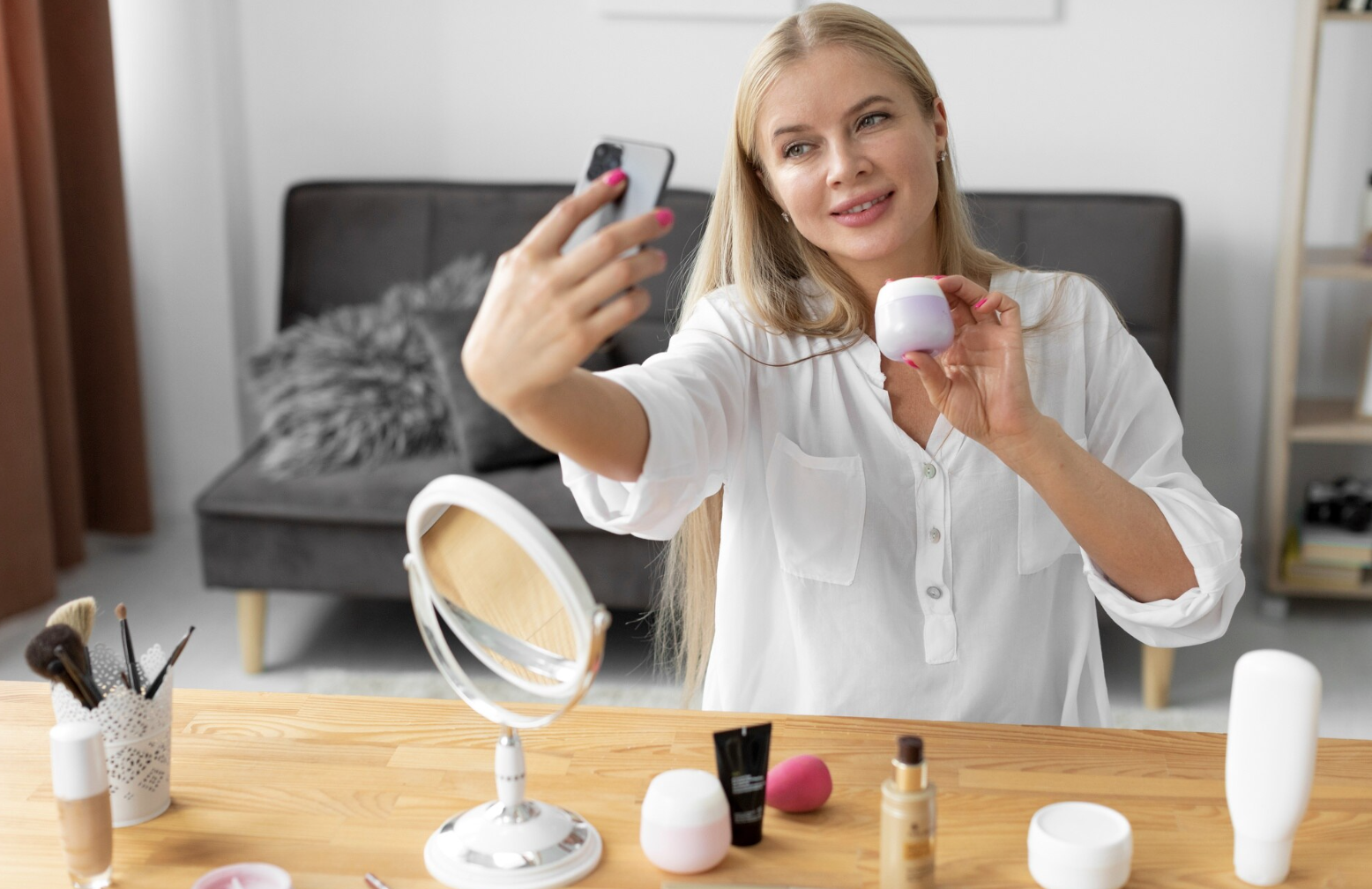
Online networks reshaped how people explore complexion care knowledge. Previously, glamorous creators simply displayed expensive creams and serums. However, audiences now demand facts, results, and transparency.
Today, discussions travel quickly across continents. Consequently, routines, formulas, and treatment ideas circulate faster than ever before. Consumers no longer rely only on advertising. Instead, communities exchange real experiences and practical guidance.
Furthermore, comment sections create direct discussion between specialists and everyday users. Therefore, education now spreads alongside recommendations. This shift created a far more informed audience worldwide.
Educational Content Is Replacing Pure Promotion
Early beauty influencers focused mainly on polished aesthetics. Attractive imagery drove product curiosity. However, viewers rarely learned real dermatological knowledge.
Gradually, professional voices began joining digital spaces. Certified physicians and formulation experts started publishing educational clips. As a result, millions learned about active compounds and realistic outcomes.
Additionally, specialists explain sunscreen chemistry, retinoid use, and barrier protection methods. Consequently, followers better understand how ingredients interact with skin biology.
Knowledge now shapes buying decisions. Therefore, people evaluate products carefully rather than copying viral trends blindly.
Ingredient Awareness Now Shapes Consumer Choices
Ingredient literacy expanded dramatically across digital communities. Users actively study labels before purchasing formulas. Moreover, many individuals research concentrations and compatibility.
For instance, niacinamide gained attention after widespread educational posts. Similarly, azelaic acid and peptides became trending subjects. Demand surged rapidly afterward.
Technology also supports transparency. Analytical platforms decode cosmetic formulations clearly. Therefore, shoppers recognize marketing exaggeration more easily.
However, ingredient obsession sometimes creates confusion. Many forget overall formulation matters more than a single compound. Consequently, poorly balanced routines occasionally cause irritation.
Cross Cultural Beauty Knowledge Is Blending Worldwide
Digital communication removed geographic limits from beauty education. As a result, regional traditions travel globally.
Korean routines introduced hydration layers and gentle cleansing philosophies. Japanese approaches emphasized sun protection discipline and minimalism. Meanwhile, Western audiences adopted both ideas enthusiastically.
Additionally, African botanical oils gained wider recognition. Middle Eastern traditions involving natural extracts also attracted interest. Therefore, global wisdom enriches modern routines.
However, cultural credit remains important. Ethical creators acknowledge original traditions behind these practices.
Honest Skin Representation Is Changing Beauty Standards
Filtered perfection once dominated online beauty posts. Flawless complexions appeared everywhere. Consequently, audiences developed unrealistic expectations.
Today, transparency movements challenge those illusions. Influencers now show texture, pores, and temporary breakouts. As a result, realistic skin representation spreads across platforms.
Moreover, creators reveal treatment recovery stages openly. Followers see redness after procedures or retinoid adjustment periods. Therefore, patience becomes part of healthy expectations.
Honesty also includes treatment disclosure. Some personalities admit using prescription therapy or professional procedures. Consequently, audiences understand that results rarely come from a single bottle.
Medical Experts Are Becoming Digital Educators
Dermatology professionals increasingly maintain active online profiles. Their participation improves content accuracy significantly.
These specialists explain research findings clearly. Furthermore, they challenge myths circulating across viral posts. Consequently, audiences receive balanced guidance.
However, digital communication differs from clinic consultation. Therefore, physicians provide general education instead of personal diagnosis. Responsible creators highlight this distinction clearly.
Collaboration also strengthens discussions. Cosmetic chemists explain formulation science. Meanwhile, aestheticians share practical technique knowledge. This combined expertise benefits viewers greatly.
Minimalist Routines Are Gaining Popularity
Complex routines once required many layers and steps. However, many users now prefer simplicity.
Minimal approaches emphasize essential products only. Typically, people select cleanser, moisturizer, sunscreen, and one targeted treatment. Therefore, routines remain manageable and affordable.
Additionally, reduced product stacking protects the skin barrier. Overuse of strong actives often causes irritation. Consequently, minimal strategies support long term skin health.
Still, certain conditions require advanced treatment. Balanced guidance remains important for those cases.
Misinformation Continues to Circulate Online
Despite progress, inaccurate claims still appear frequently. Dramatic before and after images often attract massive engagement. Unfortunately, authenticity sometimes remains questionable.
Algorithms reward shocking statements rather than balanced explanations. Consequently, sensational posts gain wider visibility.
Some creators promote miracle cures without evidence. Others spread fear regarding safe ingredients. Therefore, viewers must evaluate sources carefully.
Critical thinking remains essential when consuming digital beauty information.
Commercial Influence Shapes Online Recommendations
Financial incentives influence many content creators. Sponsored collaborations and affiliate links generate income opportunities.
Disclosure rules improved transparency across most platforms. However, subtle promotional pressure still exists. Free product gifts also influence opinions indirectly.
Meanwhile, audiences increasingly recognize marketing tactics. Therefore, trust shifts toward creators showing balanced reviews.
Independent voices gain credibility through honest evaluations. Authenticity now determines long term influence.
The Future of Digital Skin Care Conversations
Online beauty education will likely become even more sophisticated. Audiences already demand proof, transparency, and realistic outcomes.
Additionally, technological innovation will reshape content delivery. Artificial intelligence, interactive diagnostics, and ingredient databases may expand learning tools.
However, responsibility remains shared among creators and viewers. Thoughtful engagement protects information quality.
Ultimately, global beauty conversations now form a powerful educational network. When used wisely, these discussions promote healthier routines and smarter purchasing choices.