

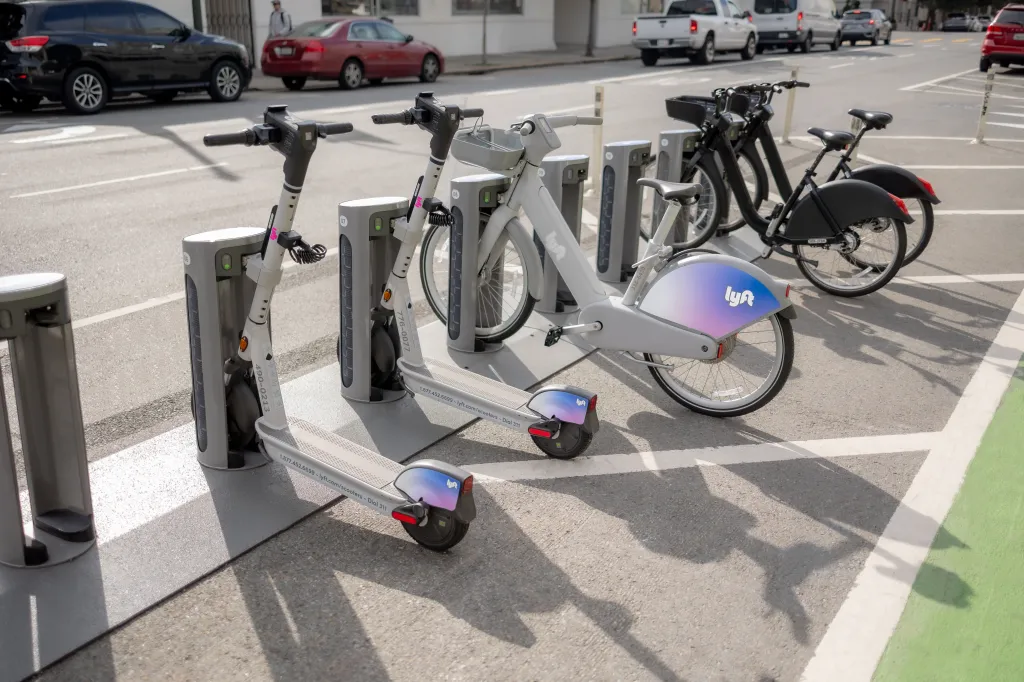
A trip that once meant waiting for a bus or circling the block for parking now often takes the form of a quick ride on a shared e-bike or scooter, unlocked with a phone and left at the destination. Micromobility, the umbrella term for small, lightweight vehicles like electric bikes, scooters, and mopeds used for short urban trips, has moved from a niche experiment into permanent infrastructure in cities around the world.
The shift is reshaping how planners think about street space, how commuters cover the notoriously inconvenient last mile of a journey, and how cities balance convenience against safety and equity concerns as adoption keeps climbing year after year.
Cities Rethinking the Last Mile
Urban transportation planners have long grappled with what is often called the last-mile problem, the gap between a public transit stop and a rider’s final destination that is too far to comfortably walk but too short to justify a car trip or rideshare fare. Micromobility has emerged as a practical answer to this gap, offering a flexible, relatively inexpensive way to cover distances of roughly half a mile to a few miles that fall awkwardly between walking range and full vehicle trips.
The appeal extends beyond pure convenience. Cities facing chronic traffic congestion and limited parking capacity have looked to micromobility as one tool among several for reducing car dependency on short trips, which make up a substantial share of total urban vehicle miles traveled despite covering relatively short distances. Replacing even a modest share of these short car trips with e-bikes or scooters can noticeably reduce local traffic congestion and parking demand, especially in dense downtown areas where curb space and road capacity are already under heavy pressure.
Electric assistance has been central to micromobility’s rapid growth compared with earlier bike-share programs that relied on traditional pedal bikes alone. Electric motors flatten hills, reduce the physical exertion required for longer trips, and make cycling a viable option for a much wider range of riders, including those who might otherwise avoid biking due to fitness concerns, heat, or the need to arrive at a destination without breaking a sweat. This accessibility improvement helps explain why e-bike and e-scooter usage has grown so much faster than traditional bike-share ridership did in earlier years.
Weather and topography, once major barriers keeping many potential riders away from pedal bike-share programs, matter far less with electric assistance available. Hilly cities that struggled to build ridership for traditional bike-share programs have seen far stronger adoption once electric models became available, since the motor removes much of the physical difficulty that previously discouraged casual or less physically fit riders from choosing a bike over a car or rideshare for a short trip. This shift has opened micromobility to a far broader demographic than the fitness-oriented cyclists who made up much of the ridership for earlier, pedal-only bike-share systems.
Growth of E-Bikes and Scooters
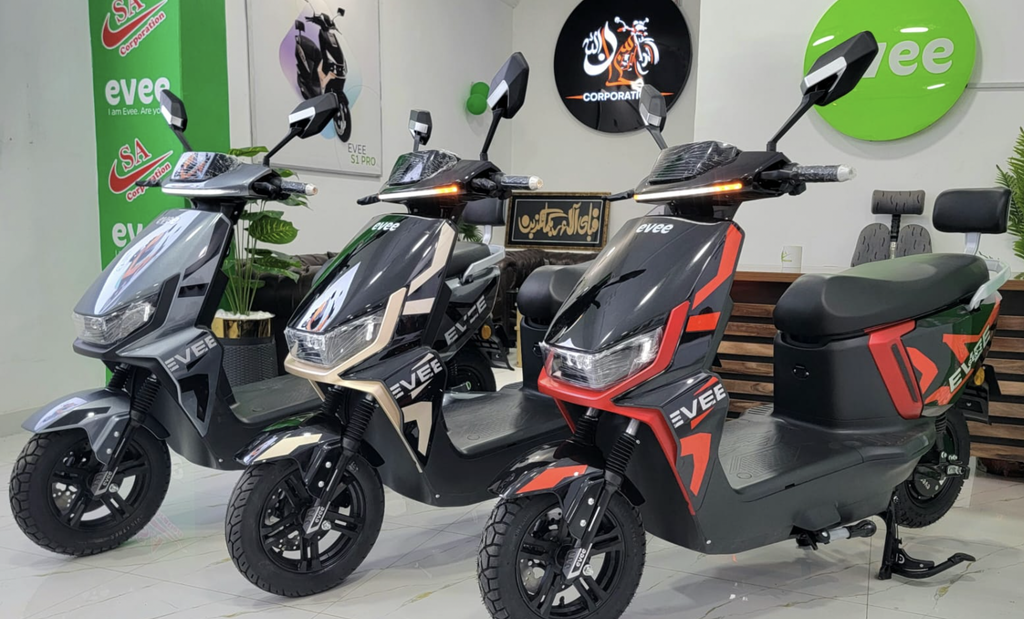
The micromobility sector has expanded rapidly since dockless electric scooters first appeared on city streets, followed quickly by expanded electric bike-share fleets from both private companies and municipal transit agencies. Unlike earlier station-based bike-share systems, which required riders to pick up and return bikes at fixed docking stations, many scooter and e-bike programs allow riders to leave vehicles within a designated zone rather than a specific dock, adding convenience but also creating new challenges around sidewalk clutter and parking enforcement that cities have had to address through regulation. Several distinct vehicle categories have emerged within the broader micromobility umbrella, each suited to different trip types:
- Dockless electric scooters: Standing scooters with small wheels, popular for very short trips of a mile or less, typically rented through a smartphone app by the minute.
- Shared electric bikes: Pedal-assist bikes offering a more stable ride than scooters, often preferred for slightly longer trips or by riders less comfortable balancing on a scooter.
- Personally owned e-bikes: A rapidly growing category of privately purchased electric bikes, increasingly used as a car replacement for commuting and errands rather than only recreational riding.
- Electric mopeds: Seated, higher-speed electric vehicles that bridge the gap between bicycles and motorcycles, suited to slightly longer urban trips.
- Cargo e-bikes: Electric bikes designed to carry groceries, packages, or even children, increasingly adopted by families and small delivery businesses as a car alternative.
Private e-bike ownership has grown especially fast in recent years, in some markets outpacing shared scooter usage as households invest in their own vehicles for regular commuting rather than relying solely on shared fleets for occasional trips.
Infrastructure Needed to Support Micromobility
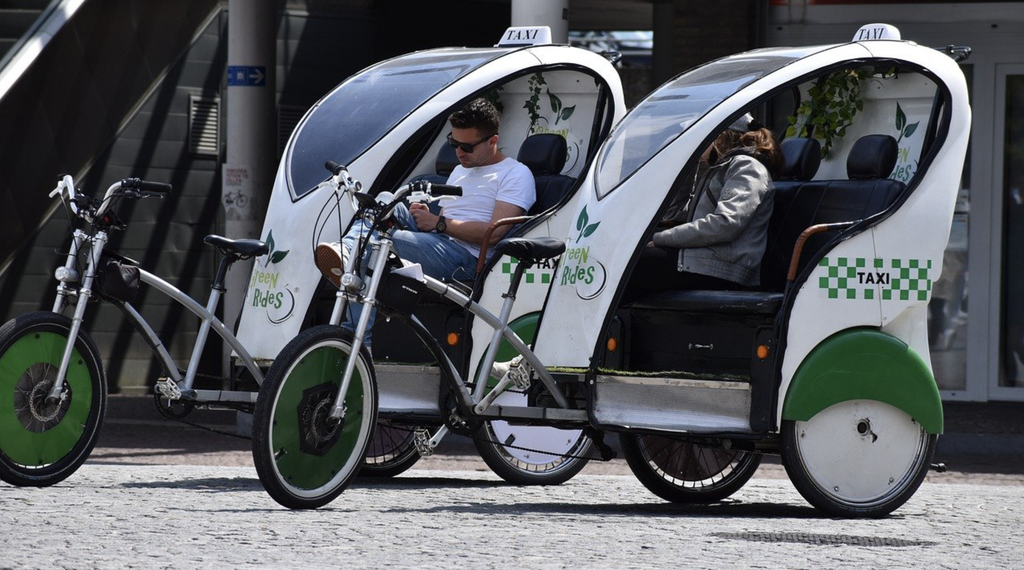
Micromobility’s growth has exposed how poorly many cities’ existing street infrastructure was designed to accommodate a category of vehicle faster than a bicycle but smaller and lighter than a car. Riders navigating streets without dedicated bike lanes often face a difficult choice between risky interactions with car traffic or riding on sidewalks, creating conflict with pedestrians that has become one of the most common sources of public complaint about scooters and e-bikes in cities without adequate infrastructure.
Cities that have seen the smoothest micromobility integration tend to have invested early in supporting infrastructure alongside the vehicles themselves. Protected bike lanes, separated physically from car traffic rather than marked only by paint, dramatically reduce the safety risk micromobility riders face and encourage higher ridership by making the experience feel less dangerous to less experienced riders. Designated parking corrals, marked areas where riders are expected to leave scooters and bikes rather than leaving them scattered across sidewalks, have also become a common tool cities use to reduce clutter complaints while still preserving the convenience of dockless parking within a defined zone.
Traffic signal timing and intersection design represent a less visible but important piece of this infrastructure puzzle as well. Many intersections remain optimized purely for car traffic flow, creating awkward or dangerous situations for slower-moving micromobility vehicles trying to navigate turns or cross multi-lane roads designed with only cars in mind. Cities investing in comprehensive micromobility strategies have increasingly begun redesigning key intersections with dedicated signal phases or protected turn lanes specifically accounting for bike and scooter traffic alongside cars and pedestrians. A short overview of infrastructure investments that tend to produce the strongest ridership gains includes:
- Physically protected bike lanes: Barriers, curbs, or planters separating riders from car traffic, shown to boost ridership confidence more than paint-only lane markings alone.
- Dedicated parking corrals: Marked zones near transit stops, retail corridors, and residential areas that reduce clutter while preserving flexible dockless parking.
- Connected lane networks: Continuous routes linking neighborhoods rather than isolated, disconnected bike lane segments that force riders back into mixed car traffic partway through a trip.
- Improved intersection design: Dedicated signal phases and protected turn lanes that reduce the most dangerous points along an otherwise safe route.
- Weather-resistant surfaces: Well-maintained pavement free of potholes and debris, since smaller micromobility wheels are far more vulnerable to surface hazards than car tires.
Funding for this infrastructure has increasingly come from a mix of municipal transportation budgets, state and federal grant programs targeting sustainable transportation, and in some cities, a portion of the operating fees collected from micromobility companies themselves as part of their permit agreements.
Safety and Regulatory Responses
Safety concerns have shaped much of the regulatory response to micromobility’s rapid growth, as cities work to balance the benefits of expanded low-cost transportation options against real risks tied to sharing road space designed primarily for cars and pedestrians. Emergency room data in cities with high micromobility usage has shown increases in injuries tied to scooter and e-bike accidents, prompting many local governments to introduce specific safety regulations targeting these vehicles. Common regulatory responses cities have adopted to address safety concerns include the following:
- Speed limits and geofencing: Software-enforced speed caps in specific zones, such as pedestrian-heavy areas or parks, that automatically slow vehicles down when riders enter designated low-speed zones.
- Helmet requirements and education campaigns: Rules or strong encouragement around helmet use, paired with public education efforts about safe riding practices for new users unfamiliar with these vehicles.
- Minimum age requirements: Restrictions preventing younger riders from operating certain categories of higher-speed electric vehicles without adult supervision.
- Fleet size caps and operator permits: Limits on how many vehicles a single scooter or bike-share company can deploy, along with permitting requirements meant to ensure operators maintain vehicles properly and respond to complaints.
- Sidewalk riding restrictions: Rules requiring micromobility vehicles to use street lanes or designated bike infrastructure rather than sidewalks, aimed at reducing pedestrian conflict.
Enforcement of these rules varies widely between cities, and some regulations, especially around sidewalk riding and parking, have proven difficult to enforce consistently given the sheer number of vehicles in circulation relative to available enforcement staff.
Economics for Riders and Operators
The financial dynamics underlying shared micromobility services differ a great deal from more established transportation options, creating an unusual business model that has evolved substantially since the sector’s earliest days. Early scooter-sharing companies often operated at a loss, subsidizing rides heavily to build market share and ridership data, a strategy common among venture-backed technology startups but one that proved difficult to sustain given the high cost of vehicle maintenance, repair, and replacement in a category of hardware that takes heavy physical abuse from constant outdoor use.
Vehicle durability and maintenance costs have driven much of the sector’s business model evolution over time. Early scooter models often had short operational lifespans measured in months rather than years, given constant exposure to weather, rough handling, and vandalism, forcing companies to replace fleets frequently at high expense. Newer vehicle designs, built with more durable components and swappable batteries that reduce the need to collect and recharge vehicles manually, have improved unit economics a great deal, though profitability across the sector overall remains a work in progress for many operators.
For riders, cost comparisons against alternatives like rideshare services, public transit, or car ownership shape adoption patterns strongly. Micromobility tends to compare favorably in cost against rideshare for short trips, while comparing less favorably against public transit fares in cities with robust, affordable transit systems already covering similar routes. Personal e-bike ownership presents a different calculation entirely, since the upfront purchase cost, while substantial, can pay for itself over time for riders using the bike regularly to replace car trips, parking costs, and fuel expenses. Key factors shaping the economics of shared micromobility for operators include the following:
- Vehicle lifespan and durability: Longer-lasting hardware spreads the upfront purchase cost across more total rides, directly improving per-trip profitability.
- Charging and rebalancing logistics: The labor cost of collecting, charging, and redistributing vehicles across a service area remains one of the largest ongoing operating expenses.
- Vandalism and theft rates: Higher rates of vehicle damage or loss in certain neighborhoods raise replacement costs and can shape where operators choose to deploy fleets.
- Permit fees and regulatory compliance costs: City-imposed fees and reporting requirements add to operating costs, varying widely between different municipal regulatory environments.
- Ridership density: Higher trip volume per vehicle improves the economics of each unit, making dense urban cores generally more profitable to serve than sparser suburban areas.
What the Future Grid Looks Like
Looking ahead, several converging trends suggest micromobility will continue expanding its role within urban transportation networks rather than remaining a niche complement to cars and transit. Integration with public transit systems represents one of the more promising directions, with several transit agencies exploring combined fare payment systems that let riders seamlessly pair a bus or train trip with a first or last mile micromobility leg through a single app and payment method, reducing the friction that currently exists between separate transportation systems operating independently of one another and requiring separate accounts, cards, or apps.
Battery technology improvements are also likely to extend vehicle range and durability further, potentially reducing operating costs enough to support more sustainable long-term business models across the shared micromobility sector. Swappable battery networks, already common in some markets for shared scooters and mopeds, reduce the need for vehicles to sit idle while charging, keeping more of the fleet available for riders throughout the day and cutting down on the labor-intensive process of collecting vehicles for overnight charging that early operators relied on heavily.
Meanwhile, growing private e-bike and e-scooter ownership suggests that even as shared fleet economics continue evolving, the broader shift toward small electric vehicles for short urban trips looks likely to continue independent of any single company’s business model, since households increasingly view these vehicles as a durable, permanent transportation option rather than a passing trend tied to a temporary novelty.
Urban planners increasingly treat micromobility infrastructure investment as a core part of transportation planning rather than an afterthought bolted onto existing car-centric street design, suggesting that the physical infrastructure gap holding back safer, wider adoption may narrow steadily over the coming years as more cities commit resources toward protected lanes, parking infrastructure, and thoughtful regulation built specifically around these vehicles.
Equity considerations are also shaping how cities plan future micromobility expansion. Early deployment of shared bikes and scooters often concentrated in wealthier, denser neighborhoods where usage and revenue were highest, leaving lower-income areas with less access to these services despite often having greater need for affordable transportation alternatives. A number of cities have begun requiring operators to distribute vehicles more evenly across neighborhoods as a condition of their operating permits, aiming to correct this imbalance and ensure the benefits of micromobility reach a wider cross-section of residents rather than concentrating in already well-served areas of the city, sometimes paired with reduced fares for lower-income riders.
Final Thoughts
Micromobility has moved well past its early experimental phase into a durable, expanding part of how cities move people around, especially for the short trips that fall awkwardly between walking distance and a full vehicle journey. Its success depends heavily on infrastructure investment, thoughtful safety regulation, and integration with existing transit systems rather than the vehicles alone. Economic models across the shared fleet sector continue maturing, while personal e-bike ownership grows steadily as a durable transportation choice in its own right.
As cities keep investing in protected lanes, parking infrastructure, and sensible regulation, micromobility looks set to remain a permanent, increasingly central fixture of urban transportation rather than a passing trend tied to any single company or vehicle type on the market today.
Frequently Asked Questions
Are e-bikes and scooters safe to ride in city traffic?
Safety varies widely depending on available infrastructure, with protected bike lanes and dedicated parking areas reducing risk a great deal compared with cities lacking dedicated micromobility infrastructure, where riders face higher exposure to car traffic conflicts.
How much does it typically cost to use a shared e-bike or scooter?
Pricing models vary by operator and city, generally involving an unlock fee plus a per-minute charge, though many cities also offer discounted monthly passes for frequent riders that can lower the effective per-trip cost by a wide margin.
Do I need a helmet to ride a shared e-bike or scooter?
Requirements vary by city, with some mandating helmet use for all riders and others only strongly encouraging it, so checking local regulations before riding is worthwhile given the variation between jurisdictions.
Is owning a personal e-bike a good replacement for a car?
For many short to medium urban trips, yes, especially in cities with reasonable bike infrastructure, though it depends heavily on trip distance, weather, cargo needs, and how much of a household’s overall transportation the e-bike could realistically replace.
Why do some cities restrict or ban shared scooters?
Concerns typically center on sidewalk clutter, pedestrian safety conflicts, and difficulty enforcing parking and riding rules, prompting some cities to limit operator permits or pause programs while working out clearer regulatory frameworks.
Will micromobility replace public transit in cities?
No, most transportation planners view micromobility as complementary to public transit rather than a replacement, most valuable for covering the last-mile gap between transit stops and final destinations rather than replacing longer transit trips entirely.