

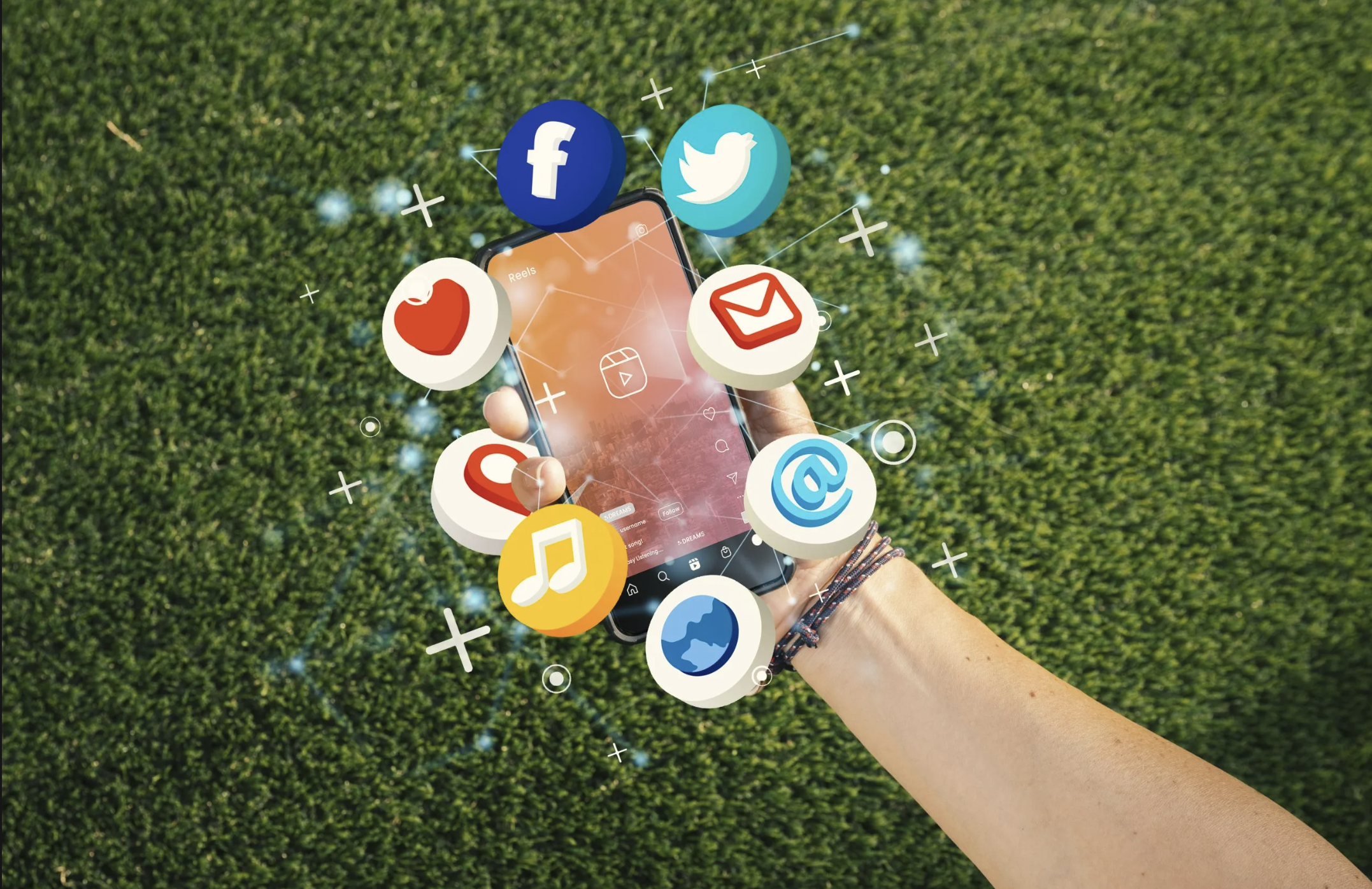
Your social media account contains more than photos, posts, and messages. It can also contain personal information, contact details, private conversations, and connections to other accounts.
If someone gains unauthorized access, they may be able to impersonate you, send messages from your account, access private information, or attempt to trick your contacts.
The good news is that you can significantly improve your account security with a few practical steps.
You don’t need to be a cybersecurity expert. Strong passwords, two-factor authentication, careful handling of suspicious messages, and regular security checks can make a major difference.
In this guide, you’ll learn how to protect your social media account from hackers, what common threats to watch for, and what to do if you think your account has already been compromised.
Why Social Media Accounts Are Targeted
Social media accounts can be attractive targets because they often contain valuable personal information.
An account may provide access to:
- Your name and profile information
- Email addresses or phone numbers
- Private messages
- Photos and videos
- Contact lists
- Connected applications
- Business pages
- Payment features
- Other linked accounts
Attackers may also target accounts because they can use a compromised profile to impersonate the owner.
For example, someone who gains access to an account might send fraudulent messages to the person’s contacts or publish unwanted content.
That’s why protecting your account is about more than keeping your password secret.
Use a Strong and Unique Password
One of the simplest ways to improve social media security is to use a strong password that you don’t use anywhere else.
A password should be difficult for someone else to guess and should not be based on obvious information such as:
- Your name
- Birthday
- Phone number
- Username
- Favorite sports team
- Family member’s name
More importantly, don’t reuse the same password across multiple websites.
If another website experiences a data breach and your password is exposed, attackers may try the same credentials on your social media account.
A password manager can help you create and store unique passwords without requiring you to memorize every one.
Turn On Two-Factor Authentication
Two-factor authentication, commonly called 2FA, adds another security layer to your account.
Instead of relying only on your password, you may also need to confirm your identity using another method.
Depending on the platform, this could involve:
- An authentication app
- A security key
- A verification code
- Another approved authentication method
This means that even if someone discovers your password, they may still be unable to access the account without the second factor.
If your social media platform supports 2FA, enabling it is one of the most useful security improvements you can make.
Be Careful With Phishing Messages
Phishing is one of the most common ways attackers try to steal account credentials.
A phishing message may pretend to come from:
- A social media company
- A friend
- A business
- A security team
- A customer support representative
The message may claim that your account has a problem and ask you to click a link or provide login information.
For example, a suspicious message might say that your account will be suspended unless you verify it immediately.
This kind of urgency is a warning sign.
Instead of clicking the link, open the social media app or type the official website address yourself and check your account there.
Never enter your password into a page simply because a message tells you to.
Check Links Before Clicking
Not every suspicious link is obvious.
Attackers can create websites that look remarkably similar to legitimate login pages.
Before opening an unexpected link, consider:
- Who sent it?
- Were you expecting it?
- Does the message create unusual urgency?
- Does the destination address look legitimate?
- Is the message asking for sensitive information?
If you are unsure, don’t click.
Go directly to the platform through its official app or website instead.
Keep Your Email Account Secure
Your email account is closely connected to your social media security.
If someone gains access to the email address associated with your social media account, they may potentially attempt to reset your social media password.
Therefore, it’s equally important to safeguard your email account with diligent security measures.
Use:
- A unique password
- Two-factor authentication
- Updated recovery information
- Security notifications
Also review your email account’s recent login activity when the service provides that feature.
Review Connected Apps and Services
Many social media platforms allow third-party applications to connect to your account.
You might have authorized an app to:
- Access your profile
- Publish content
- Read certain information
- Connect with other services
Over time, you may forget which applications you’ve authorized.
Regularly review your account’s connected apps and remove access for services you no longer use or recognize.
If an unfamiliar application appears, investigate it through the platform’s official security settings rather than trusting an unexpected message about it.
Review Login Activity
Many social media platforms provide security pages showing recent login activity, active sessions, or devices associated with your account.
Check these details periodically.
Look for:
- Devices you don’t recognize
- Unexpected locations
- Unfamiliar login times
- Old devices you no longer use
Keep in mind that location information can sometimes be approximate, particularly when mobile networks or VPNs are involved.
If something genuinely looks suspicious, use the platform’s official account-security tools to secure your account.
Don’t Share Verification Codes
A verification code is designed to help prove that you are the person trying to access an account.
You should treat these codes as private.
If someone sends you a message asking you to forward a login or verification code, don’t provide it.
This can be a common part of account takeover attempts.
Even if the person claims to be a friend, employee, or support representative, verify the request independently before sharing anything.
Be Careful With Public Information
Information you post publicly can sometimes help attackers create convincing scams.
For example, avoid unnecessarily sharing details such as:
- Your full birth date
- Personal contact information
- Your exact daily routine
- Answers to common security questions
- Sensitive family information
- Private travel details
This doesn’t mean you need to stop using social media.
Instead, think about whether every piece of information needs to be publicly visible.
Adjust Your Privacy Settings
Social media platforms provide privacy settings that control who can see different types of information.
Review settings for:
- Posts
- Stories
- Profile information
- Contact information
- Friend or follower lists
- Mentions
- Tags
- Direct messages
Privacy settings vary by platform, so check the current settings available in your account.
A useful approach is to share information with the smallest audience that makes sense for you.
Keep Your Apps and Devices Updated
Security updates can fix vulnerabilities in operating systems, browsers, and applications.
Enable automatic updates when appropriate, or install updates regularly.
This includes:
- Your phone’s operating system
- Social media apps
- Web browsers
- Computer operating systems
- Security software
An outdated application may contain known security weaknesses that have already been addressed in a newer version.
Keeping software updated is therefore an important part of basic account protection.
Avoid Logging In on Untrusted Devices
Be cautious when accessing social media accounts from shared or public devices.
If you must use another device, avoid saving passwords and make sure you completely sign out afterward.
Your personal device is generally easier to secure because you control its software, accounts, and security settings.
Also avoid entering sensitive credentials on devices you don’t trust.
Use Secure Internet Connections
Be careful when logging into important accounts on unfamiliar networks.
Public Wi-Fi isn’t automatically dangerous, but you should still avoid treating an unknown network as completely trusted.
Make sure you’re connecting to the correct network and keep your device’s security features enabled.
For sensitive activities, using your trusted mobile connection or another known-secure network can reduce unnecessary risks.
Watch Out for Fake Support Accounts
Attackers sometimes impersonate customer support representatives on social media.
They may contact you after seeing a public complaint or question and claim they can solve your problem.
They might ask you to:
- Click a login link
- Share a password
- Provide a verification code
- Install software
- Send sensitive information
Don’t assume an account is legitimate simply because it uses a company logo or similar username.
If you need support, contact the platform through its official help center or app.
Don’t Install Suspicious Software
Attackers may use fake applications, browser extensions, or files to attempt to steal credentials or other information.
Be careful when installing software recommended through unexpected messages.
Use official app stores and reputable sources whenever possible.
Before installing an application, review its publisher, permissions, and reputation.
If something looks suspicious, don’t install it simply because someone claims it will unlock a feature or solve an account problem.
Recognize Warning Signs of Account Compromise
You should pay attention to unusual activity.
Possible warning signs include:
- Posts you didn’t create
- Messages you didn’t send
- Password reset notifications you didn’t request
- Unknown login alerts
- Changes to account settings
- New connected applications
- Unexpected profile changes
- Friends receiving strange messages from your account
One unusual event doesn’t always mean you’ve been hacked. For example, security alerts can sometimes be triggered by a new device or approximate location.
However, unexplained activity is worth investigating promptly.
What to Do If Your Account Is Compromised
If you believe someone has accessed your account, act quickly.
Start by using the platform’s official account recovery or security process.
If you can still access your account:
- Change your password.
- Sign out of unfamiliar sessions.
- Enable two-factor authentication.
- Review connected applications.
- Check account recovery information.
- Review recent activity.
- Inform your contacts if suspicious messages were sent.
- Check your email account for related security activity.
If you cannot access the account, use the platform’s official recovery process.
Avoid people online who promise to “hack your account back” for a fee. These offers can lead to additional scams.
Create a Simple Social Media Security Routine
You don’t have to spend hours checking your accounts.
Create a simple routine.
Every few weeks
Review recent login activity and connected applications.
Regularly
Install security and software updates.
When you receive suspicious messages
Don’t click unexpected links or share verification codes.
When you create an account
Use a unique password and enable two-factor authentication.
When your information changes
Update legitimate recovery options through the platform’s official settings.
These small habits can significantly improve your overall security.
Common Social Media Security Mistakes
Even security-conscious users can make mistakes.
Some of the most common include:
Reusing Passwords
One exposed password can put multiple accounts at risk.
Sharing Verification Codes
Codes should be treated as confidential.
Clicking Urgent Links
Fear and urgency are common tactics used in phishing scams.
Ignoring Security Alerts
Unexpected login notifications deserve attention.
Leaving Old Apps Connected
Unused third-party applications may retain account permissions.
Oversharing Personal Information
Public information can make scams more convincing.
Trusting Fake Support Accounts
Always verify support requests through official channels.
Final Thoughts
Protecting your social media account from hackers doesn’t require advanced technical knowledge.
The most important steps are straightforward: use a unique password, enable two-factor authentication, recognize phishing attempts, protect your email account, review connected apps, check login activity, keep your devices updated, and limit unnecessary personal information.
Security is not a one-time task.
Your accounts, devices, apps, and online habits change over time. A quick security review every so often can help you spot problems before they become bigger issues.
Most importantly, slow down when something online feels urgent or unusual. Attackers often rely on people reacting quickly without checking whether a message, link, or request is genuine.
A few seconds of caution can prevent a much bigger account-security problem.
Frequently Asked Questions
1. What is the best way to protect a social media account?
Use a unique and strong password, enable two-factor authentication, keep your software updated, avoid suspicious links, and regularly review login activity and connected applications.
2. Can two-factor authentication stop hackers?
Two-factor authentication can significantly improve account security by adding another verification step. It can help protect an account even if someone obtains the password, although no security measure provides absolute protection.
3. How do I know if someone hacked my social media account?
Look for unexplained activity such as unfamiliar login alerts, unexpected password changes, messages you didn’t send, posts you didn’t create, or unknown connected applications.
4. What should I do if my social media account is hacked?
Use the platform’s official recovery and security tools. If you can access the account, change your password, sign out unfamiliar sessions, enable 2FA, and review account settings and connected applications.
5. Should I share a social media verification code with someone?
No. Treat verification codes as private. If someone asks you to send them a code, don’t share it, even if they claim to be a friend or support representative.
6. Can public social media information create security risks?
Yes. Public information can sometimes help attackers create convincing phishing messages or impersonation attempts. Review your privacy settings and avoid unnecessarily sharing sensitive personal details.