

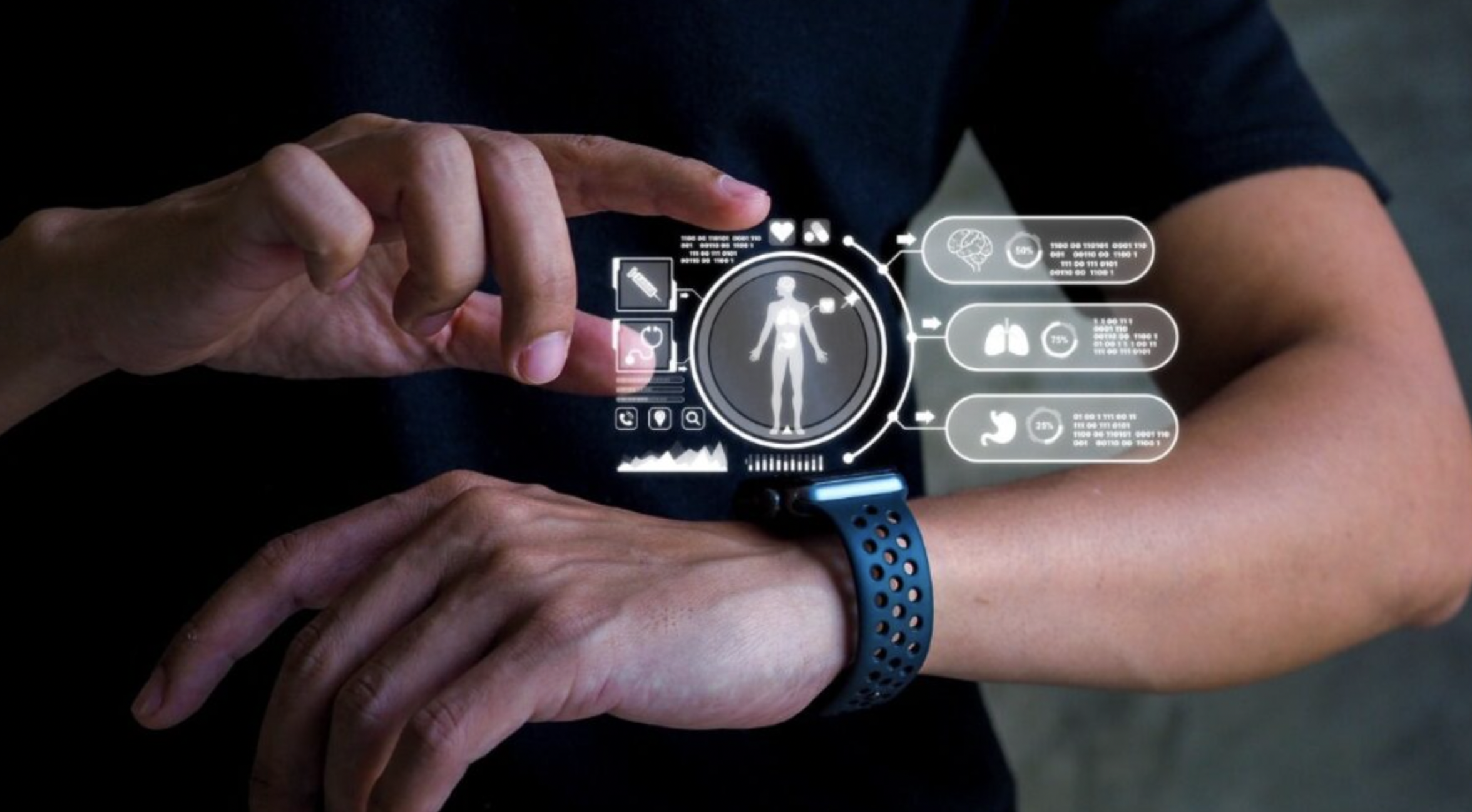
A fitness enthusiast obsessively checked his wearable’s sleep score every morning for months, growing increasingly anxious whenever it dipped, until a conversation with his doctor revealed the device’s sleep tracking had never been clinically validated for the specific metrics he was fixating on. He hadn’t slept worse; he’d simply misunderstood what the numbers represented. This article explains what wearable health data tells you and where its real limitations lie.
What Wearable Trackers Measure Directly
Most wearable health trackers directly measure a limited set of physical signals, typically heart rate through light-based sensors, movement through accelerometers, and sometimes blood oxygen levels through similar optical methods. Nearly everything else a device reports, including sleep stages, stress levels, and calorie burn, is estimated through algorithms applied to these limited raw signals rather than measured directly.
Why Sleep Tracking Is Less Precise Than Many Users Assume
- Consumer wearables estimate sleep stages using movement and heart rate patterns, not brain activity
- Clinical sleep studies use specialised equipment measuring actual brain waves for true accuracy
- Wearable sleep scores can vary between devices measuring the same person on the same night
- These limitations don’t make sleep tracking useless, but they do mean scores shouldn’t be treated as clinically precise
How Heart Rate Monitoring Accuracy Varies by Activity
Optical heart rate sensors generally perform reasonably well during steady-state activities like walking or running, but accuracy tends to decrease during activities involving rapid, irregular movement, such as certain strength training exercises or sports involving quick direction changes. Understanding this limitation helps users interpret unusually erratic heart rate readings during specific activities with appropriate scepticism rather than assuming a physiological anomaly.
The Value of Long-Term Trend Data
- Individual daily readings carry meaningful measurement uncertainty
- Trends observed over weeks or months tend to be more reliable
- A gradual, sustained change in resting heart rate can signal a shift in fitness or health
- Obsessing over single-day fluctuations often causes more anxiety than useful insight
Why Calorie Burn Estimates Should Be Treated Cautiously
Calorie burn estimates from wearable devices rely on generalised algorithms based on factors like age, weight, and heart rate, but individual metabolic variation means these estimates can be inaccurate for any specific person, sometimes by a significant margin. Users relying heavily on these estimates for precise dietary planning should understand they’re working with a rough approximation rather than a clinically precise measurement.
How Wearables Have Improved Health Awareness
Despite their real limitations, wearable trackers have increased general health awareness for many users, helping people notice patterns like poor sleep consistency or insufficient daily movement they might otherwise have overlooked entirely. Some devices have also successfully flagged early signs of medical issues, including irregular heart rhythms, prompting users to seek medical evaluation they might not have otherwise pursued.
When to Trust the Data and When to See a Doctor
Wearable data works best as a general awareness and motivation tool rather than a diagnostic instrument, and any concerning or persistent readings, such as a irregular heart rhythm alert, deserve proper medical evaluation rather than either dismissal or excessive anxiety based on consumer-grade technology never designed for clinical diagnosis.
How Wearable Data Is Increasingly Used in Medical Research
Beyond individual personal use, aggregated and anonymised wearable data has become a valuable resource for medical researchers studying population-level health trends, sleep patterns, and activity levels across large groups of participants who wouldn’t otherwise be part of a formal clinical study. This represents a valuable secondary use case for wearable technology, extending its usefulness well beyond the individual consumer wearing the device day to day.
The Privacy Considerations Around Personal Health Data
Wearable devices collect continuous, detailed health data that raises legitimate privacy questions about how that information is stored, shared, and potentially used by device manufacturers, insurers, or other third parties. Users concerned about privacy should review a device manufacturer’s specific data sharing policies carefully, since practices vary between companies and can change over time as business models evolve.
How Wearables Are Expanding Into New Health Monitoring Areas
Newer wearable devices increasingly incorporate additional sensors capable of monitoring metrics like skin temperature, blood glucose trends, and even early indicators of certain respiratory conditions, expanding well beyond the heart rate and movement tracking that defined earlier generations of consumer wearables. This expanding capability continues to blur the line between casual fitness tracking and more serious health monitoring, prompting ongoing discussion about appropriate regulatory oversight for these increasingly capable consumer devices.
How Wearable Manufacturers Are Addressing Accuracy Criticism
In response to ongoing criticism about measurement accuracy, several wearable manufacturers have invested in clinical validation studies for specific features, seeking to demonstrate accuracy for particular metrics rather than relying purely on marketing claims. This growing emphasis on clinical validation reflects an industry gradually maturing beyond its early years, when accuracy claims often went largely unverified by independent, rigorous testing.
How Wearables Are Being Integrated Into Formal Healthcare Systems
Some healthcare providers have begun formally integrating patient wearable data into clinical care, using long-term trend data to inform treatment decisions for chronic conditions like diabetes or heart disease, for monitoring patients between formal in-person appointments. This integration remains at a relatively early stage industry-wide, but it points toward a future where consumer wearable data plays a more formal, medically recognised role in ongoing patient care.
How Wearable Data Ownership and Portability Questions Have Emerged
As users accumulate years of personal health data within a specific wearable ecosystem, questions about data ownership and portability have become increasingly relevant, for users considering switching to a different manufacturer’s device and wanting to bring their historical data along. Some manufacturers have introduced more robust data export options in response to this growing concern, though full data portability between competing wearable ecosystems remains inconsistent across the industry.
How Wearables Are Being Adapted for Specific Medical Conditions
Beyond general fitness tracking, some newer wearable devices are being specifically designed and validated for particular medical conditions, such as continuous glucose monitoring for people with diabetes or specialised cardiac monitoring for those with known heart conditions. This trend toward condition-specific wearable technology represents a meaningful evolution from the general-purpose fitness trackers that dominated the market’s earlier years.
How Wearable Technology Is Being Adapted for Elderly Care
Beyond fitness-focused consumers, wearable technology has found growing application in elderly care, with devices capable of detecting falls, monitoring vital signs, and alerting caregivers or family members to potential emergencies. This application represents a valuable extension of wearable technology beyond its origins in athletic performance tracking, addressing real safety and independence concerns for an ageing population increasingly choosing to remain in their own homes longer.
How Wearable Data Might Eventually Influence Insurance Pricing
Some insurance companies have begun experimenting with wellness programmes that offer premium discounts in exchange for sharing wearable health data, raising both opportunities for healthier behaviour incentives and concerns about privacy and potential future discrimination based on personal health data. This emerging intersection between wearable technology and insurance pricing represents an area likely to see continued development and regulatory scrutiny as the practice becomes more widespread across the insurance industry.
How Wearable Battery Technology Has Evolved to Support New Features
Adding increasingly sophisticated sensors and features to wearable devices has created ongoing tension with battery life, driving considerable innovation in low-power sensor design and more efficient data processing specifically aimed at supporting advanced health monitoring features without requiring impractically frequent charging. This battery technology evolution has been essential to enabling features like continuous, always-on health monitoring that would have quickly drained earlier generations of wearable device batteries within just a few hours of use.
How Wearable Technology Has Influenced Broader Preventive Healthcare Thinking
Beyond individual devices, the widespread adoption of wearable health tracking has contributed to a broader cultural shift toward preventive healthcare thinking, encouraging more people to actively monitor and engage with their own health data rather than relying solely on periodic doctor visits for health awareness. This cultural shift, while imperfect given the technology’s accuracy limitations, represents a meaningful positive development in general health engagement that extends well beyond what any individual wearable device’s specific technical capabilities alone could achieve.
How Wearable Technology Adoption Varies Across Different Demographics
Wearable technology adoption rates vary across different age groups and demographics, with younger, more technology-comfortable users generally adopting new features more readily than older users, who sometimes express greater scepticism about both accuracy and the broader implications of continuous personal data collection. Understanding these demographic adoption patterns helps manufacturers design more inclusive products and communication strategies that address the specific concerns and preferences of different user segments rather than assuming universal enthusiasm for every new feature.
The Future Outlook for Wearable Health Technology Integration
Industry analysts broadly expect continued convergence between consumer wearable technology and formal medical device categories, potentially blurring regulatory lines that have traditionally kept these categories relatively distinct, as wearables become increasingly capable of clinically relevant health monitoring. This trajectory suggests today’s wearable technology represents a early stage in a much longer-term evolution toward continuous, integrated personal health monitoring that could eventually reshape aspects of how routine healthcare monitoring is conducted.
How Wearable Technology Has Influenced Corporate Wellness Programmes
Many employers have incorporated wearable technology into corporate wellness programmes, offering devices or subsidies to employees as part of broader efforts to encourage healthier habits and potentially reduce healthcare costs across their workforce. These programmes have produced mixed results in practice, with engagement and health improvements among some employee segments alongside privacy concerns and limited sustained participation among others less enthusiastic about employer involvement in personal health tracking.
How Wearable Manufacturers Compete on Ecosystem Integration
Beyond individual device features, wearable manufacturers increasingly compete on how well their devices integrate with a broader ecosystem of other products and services, recognising that a wearable’s practical value often depends heavily on how smoothly it works alongside a user’s existing smartphone, smart home devices, and health apps. This ecosystem-focused competition has made switching between different wearable manufacturers more consequential for consumers than simply choosing based on individual device specifications alone.
How Wearable Technology Has Evolved Its Design and Form Factor
Beyond functional improvements, wearable technology has evolved in design and form factor, moving from bulky, purely utilitarian early devices toward increasingly discreet, fashion-conscious designs that appeal to users who care as much about aesthetics as functionality. This design evolution has helped broaden the technology’s appeal beyond dedicated fitness enthusiasts toward a wider general consumer audience less motivated by pure athletic performance tracking.
How Wearables Handle Data Syncing Across Multiple Devices
Users increasingly own multiple wearable devices simultaneously, such as a smartwatch alongside a dedicated fitness ring, raising questions about how these devices’ data gets reconciled when they sometimes produce conflicting readings for the same underlying metric. Manufacturers have developed varying approaches to this multi-device reality, though seamless integration across devices from different manufacturers remains inconsistent across the broader wearable technology industry.
How Wearable Data Interpretation Support Has Improved Over Time
Early wearable devices often presented raw data with minimal context, leaving users to interpret numbers without clear guidance on what they meant for their health or fitness goals. Newer devices and accompanying apps have invested in improved data interpretation support, including personalised insights and clearer explanations of what specific metrics mean, helping address some of the confusion and potential anxiety that raw, uncontextualised data previously caused for many users.
How Wearables Support Recovery-Focused Training
Beyond activity tracking, many wearables now emphasise recovery metrics specifically, encouraging users to balance training intensity with adequate rest, reflecting a broader shift in fitness culture toward recognising that recovery quality matters as much as training volume for long-term performance improvement.
How Wearables Are Adapting to Different Body Types
Wearable manufacturers have faced ongoing criticism regarding sensor accuracy across different skin tones and body types, prompting increased investment in more inclusive sensor calibration and testing processes to ensure consistent accuracy across a diverse range of users rather than a narrow testing population.
How Wearables Handle Multi-Sport Activity Recognition
Modern wearables increasingly attempt automatic activity recognition, identifying whether a user is running, cycling, or swimming without manual input, though accuracy for less common or mixed activities still lags behind well-established, heavily optimised activities like running and walking that manufacturers have refined over many years.
How Wearables Support Mental Health Awareness
Some newer wearables have begun incorporating stress and mood tracking features alongside traditional physical metrics, reflecting growing industry recognition that mental and physical health awareness are closely connected, though the accuracy and clinical validity of these newer mental health-adjacent features remain less established than physical metrics.
How Wearables Are Used in Physical Therapy and Rehabilitation
Physical therapists have begun incorporating wearable movement tracking into rehabilitation programmes, allowing more precise, objective monitoring of a patient’s recovery progress between clinical appointments than relying solely on periodic in-person assessment and self-reported patient feedback.
Frequently Asked Questions
How accurate are wearable heart rate monitors compared to medical devices?
Modern wearables perform reasonably well during steady activities but generally fall short of medical-grade accuracy, during high-intensity or irregular movement, making them useful for general tracking rather than clinical diagnosis.
Can a wearable device diagnose a health condition?
No, wearables can flag patterns worth discussing with a doctor, such as irregular heart rhythm alerts, but they aren’t designed or approved to provide an actual medical diagnosis on their own.
Why do sleep scores vary so much between different wearable brands?
Different manufacturers use different algorithms and sensor combinations to estimate sleep stages, and since none directly measure brain activity, the resulting scores can differ between devices tracking identical sleep.
Should someone stop wearing a health tracker if the data causes anxiety?
If tracking data consistently causes more stress than benefit, reducing how often the data is checked, or taking a break from wearing the device entirely, is a reasonable and healthy choice.