

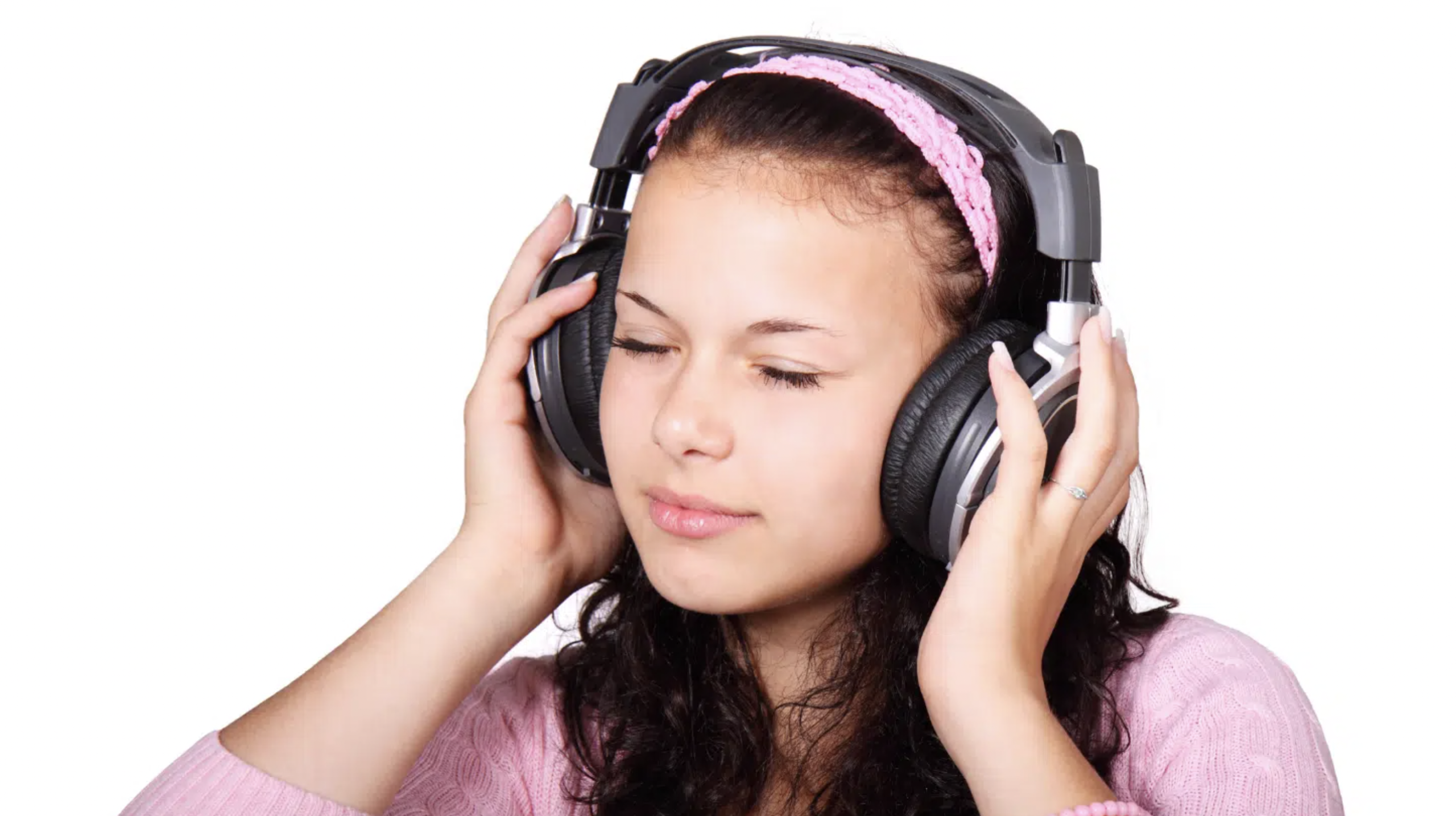
Millions of people now spend hours a day with earbuds in, streaming music, podcasts, and video calls at volumes that would have seemed reckless a generation ago. Hearing damage from everyday listening habits builds so slowly that most people never notice it happening until conversations in noisy rooms become hard to follow or a persistent ring settles into their ears.
Because the damage is cumulative and largely invisible, noise-induced hearing loss has become one of the more overlooked health issues tied directly to a piece of technology nearly everyone owns.
The Hidden Scale of the Problem
Hearing loss caused by exposure to loud sound is different from age-related decline because it is preventable and often self-inflicted through daily choices. The inner ear contains delicate hair cells that convert sound vibrations into electrical signals the brain interprets as sound. These cells do not regenerate once destroyed, so every session of listening at unsafe volumes contributes to a permanent reduction in hearing sensitivity, even if the effect is too small to notice at the time.
Public health researchers have flagged headphone use among younger populations as a growing concern, since this generation is exposed to personal audio devices earlier and for longer stretches than any before it. Commutes, workouts, study sessions, and gaming are now routinely soundtracked through earbuds, often at volumes pushed up to compensate for background noise on trains, buses, or busy streets. The World Health Organization has pointed to unsafe listening practices among young people as a public health issue worth active monitoring, given how common personal audio devices have become.
What makes this trend hard to address is that the damage does not announce itself. Unlike an injury with immediate pain, hearing loss from repeated loud exposure tends to appear as a gradual narrowing of the frequencies a person can hear clearly, starting often with higher pitches. By the time someone notices they are asking others to repeat themselves, years of exposure have typically already occurred.
Part of the reason this issue has stayed under the radar is that hearing health has never carried the same cultural weight as vision or dental care. Routine hearing screenings are rare outside of specific triggers like a job requirement or a parent’s concern about a child’s development. Adults frequently go a decade or more between hearing checks, which leaves plenty of room for slow, cumulative damage to progress unnoticed.
The economic dimension of this issue also deserves attention. Hearing aids and assistive devices remain a notable expense for many households, and insurance coverage for hearing health varies widely by region and plan. Preventing damage in the first place avoids a category of medical expense that many people are unprepared for later in life.
How Headphones Damage the Inner Ear
Sound exposure damages hearing through a combination of volume and duration. A very loud sound for a short period can cause the same cumulative harm as a moderately loud sound sustained over hours. Earbuds and over-ear headphones deliver sound directly into or very close to the ear canal, which means the sound pressure reaching the eardrum can be higher than the same volume played through external speakers in a room. Several factors combine to make headphone-based listening riskier than people assume:
- Proximity to the eardrum: In-ear designs sit close to or inside the ear canal, so sound waves travel a shorter distance and lose less energy before reaching sensitive structures.
- Volume compensation: Listening in loud environments like airplanes, gyms, or subways encourages people to raise volume past levels that would be comfortable in quiet settings.
- Extended listening sessions: Multi-hour commutes, workdays, or gaming sessions extend total exposure time well beyond what short bursts of loud sound would cause.
- Bass-heavy content: Music and audio mixed with strong low-frequency content can mask how loud the overall signal really is, leading listeners to push volume higher than intended.
- Noise-canceling overreliance: Some listeners raise volume to compensate when noise cancellation is off or inconsistent, unintentionally exceeding safe thresholds.
The inner ear’s hair cells are arranged to detect a range of frequencies, with cells responsible for higher pitches typically positioned in a way that makes them more vulnerable to repeated stress. This is part of why early hearing loss often shows up first as trouble distinguishing consonant sounds in speech, even when a person can still hear that someone is talking.
Researchers studying occupational and recreational noise exposure have long used a rough rule of thumb: every increase of roughly three decibels effectively doubles the sound energy reaching the ear, which means a modest-looking volume adjustment can carry a much larger physical impact than it appears to on a numeric scale.
This is one reason volume sliders on phones and headphones can be misleading; the difference between seventy and eighty percent of maximum volume is not a small step but a substantial jump in real sound pressure. Manufacturers have started to account for this by adjusting how volume curves behave near the top of the range, but the underlying physics still rewards caution rather than intuition when judging what counts as a safe level.
Another under-discussed factor is the design of the headphone itself. In-ear designs that create a tight seal can produce higher sound pressure at lower volume settings compared with open designs that let some sound escape, meaning two people at the same subjective volume may face different real exposure.
Warning Signs Worth Taking Seriously
Because hearing loss develops gradually, many people rationalize early symptoms as normal fatigue or a noisy environment rather than a sign of physical change in the ear. Recognizing the early markers can prompt someone to adjust habits before damage becomes more pronounced. Common early indicators include:
- Ringing or buzzing after listening sessions: A temporary ringing sound, known as tinnitus, that follows concerts, workouts, or long headphone use often signals that hair cells were stressed beyond a safe threshold.
- Needing higher volumes over time: A gradual creep in the volume level that feels comfortable is a sign that sensitivity to sound has already started to shift.
- Trouble following speech in noisy rooms: Restaurants, parties, and open offices become harder to navigate when high-frequency hearing has narrowed, since consonants carry much of the clarity in speech.
- Muffled hearing after exposure: A sensation that sounds are dulled or distant following a loud event, even temporarily, indicates the ear absorbed more stress than it could fully recover from.
- Family or friends mentioning volume habits: Being told that a television or phone speaker is too loud, or that headphone leakage is audible to others nearby, often reflects a listener’s own reduced sensitivity.
Anyone noticing several of these patterns together, especially persistent ringing that does not fade after a day or two, should consider a hearing evaluation from an audiologist rather than waiting for symptoms to worsen.
It is worth distinguishing temporary threshold shift from permanent damage. After a loud concert or an extended headphone session, many people experience a short period of dulled hearing or ringing that fades within a day. This temporary shift is the ear’s way of signaling it was pushed past a comfortable limit, and repeated instances over months or years are strongly linked to the eventual transition to permanent loss.
Safer Listening Habits You Can Start Today
The good news is that noise-induced hearing loss is largely preventable through simple, sustainable habit changes rather than giving up headphones altogether. Most experts frame safe listening around a combination of volume level and total daily exposure time, similar to how workplace noise exposure limits are structured.
A widely referenced guideline suggests keeping headphone volume at or below sixty percent of maximum and limiting continuous listening sessions to around sixty minutes before taking a break, sometimes summarized as the sixty-sixty approach. This is not a strict medical rule but a practical benchmark that gives the ear recovery time between exposures.
Other adjustments that reduce cumulative strain include choosing noise-canceling headphones in loud environments so volume does not need to compensate for outside sound, taking listening breaks during long work or study sessions, and using volume-limiting settings built into most smartphones and tablets. Many devices now include built-in tools that track weekly headphone exposure and flag when volume levels have crossed recommended thresholds, giving users a concrete way to monitor a habit that otherwise goes unmeasured.
Timing also matters more than people assume. Listening at a moderate volume for a short stretch during a commute is far less risky than the same volume sustained across an entire workday of calls and background music. Building in short silent breaks, even just a few minutes every hour, gives hair cells a chance to recover before the next round of exposure, which lowers the overall cumulative burden even if peak volume stays the same. This kind of pacing is similar in principle to how factory workers are told to alternate loud tasks with quieter ones rather than working through an entire shift at a constant noise level.
Environment-specific habits can help as well. Commuters who find themselves cranking volume on trains or buses to overcome ambient rumble are better served by switching on noise cancellation or choosing snugly fitted earbuds that passively block outside sound, rather than compensating purely through volume. Gamers, who often wear headsets for hours during long sessions, benefit from periodically checking in-game audio settings, since many titles default to louder mixes for background effects and music than is strictly necessary for gameplay awareness. A few concrete habits summarize most of the advice audiologists give to everyday headphone users:
- The sixty-sixty rule: Keep volume at or below sixty percent of maximum and cap continuous sessions at around sixty minutes.
- Scheduled silent breaks: Step away from audio entirely for a few minutes every hour during long work or study sessions.
- Noise cancellation over volume: Block outside sound with cancellation or a snug fit rather than raising the volume dial.
- Regular device check-ins: Review built-in exposure tracking weekly to catch a creeping trend before it becomes a habit.
- Speaker alternatives when possible: Use external speakers at home when practical, giving ears a break from close-proximity sound sources.
Technology That Is Trying to Help
Device makers and health organizations have started building tools directly into consumer electronics to address unsafe listening before it becomes chronic. Smartphone operating systems now commonly include headphone audio level monitoring that logs decibel exposure over time and issues alerts when a user’s average exposure approaches limits associated with hearing risk. Some of the more useful developments include:
- Adaptive volume limiting: Software that automatically caps output based on how long a listening session has run, reducing the need for a user to self-monitor.
- Ambient sound awareness modes: Features that let outside sound blend with audio playback, reducing the temptation to raise volume to drown out surroundings.
- Exposure tracking dashboards: Built-in health apps that summarize weekly decibel exposure, similar to how step counts or sleep data are tracked.
- Hearing test integrations: Some wearables now offer basic hearing screenings that can flag early changes and suggest a professional follow-up.
These tools shift responsibility away from guesswork and toward measurable feedback, which tends to be far more effective at changing behavior than general warnings about volume levels. Hearing aid technology has also evolved in ways that blur the line between medical device and consumer electronics.
Over-the-counter hearing aids, now available without a prescription in a growing number of markets, have made early intervention more accessible for people with mild to moderate hearing changes. This shift matters because historically the cost and process of obtaining a prescription hearing aid discouraged many people from seeking help until their hearing loss had progressed much further. Lower barriers to entry mean more people can address early changes before they compound into larger communication difficulties.
App-based hearing tests have also become more common, letting users get a rough sense of their hearing thresholds with a smartphone and calibrated headphones. While not a substitute for a clinical evaluation, they lower the barrier to noticing a problem early.
Workplace and Regulatory Angles
Occupational hearing protection has existed for decades in industries like manufacturing and construction, where noise exposure limits are enforced through workplace safety regulations. Personal audio devices exist in a different regulatory space, since they are consumer products used voluntarily rather than mandated equipment tied to a job.
Some regions have introduced voluntary guidelines encouraging manufacturers to cap maximum output on personal audio devices and to include exposure warnings within device software. Employers whose staff rely heavily on headphones for calls, customer service, or remote work have also started including hearing health information in broader wellness initiatives, recognizing that this is a workplace-adjacent issue even outside traditional industrial settings.
Audiologists and hearing health advocates continue to push for clearer public guidance, arguing that hearing protection deserves the same level of public awareness as sun exposure or seatbelt use, since the underlying damage is similarly preventable with modest behavior adjustments made consistently over time.
Schools have also entered the conversation, especially as tablets and headphones have become standard classroom tools for younger students. Some school districts have introduced policies capping the maximum volume output of devices issued to students, alongside guidance for teachers on recommended listening durations during lessons that involve audio or video content. Because childhood habits often carry forward into adulthood, early exposure to safe listening norms in a classroom setting may do more to shift long-term outcomes than any single public awareness campaign aimed at adults.
Employers, too, have started to recognize that hearing health touches more roles than the traditionally loud ones. Call center staff, customer support teams, and remote workers who spend entire shifts wearing headsets face a form of occupational exposure that rarely gets classified alongside factory or construction noise, even though the cumulative hours can be similar. A small but growing number of companies have begun including headset volume guidance and optional hearing screenings as part of broader employee wellness benefits, treating it as preventive care rather than a niche concern. Policy conversations tend to focus on a handful of practical levers that regulators and manufacturers can pull:
- Output caps at the source: Setting a maximum decibel ceiling on devices sold in a given market, regardless of user settings.
- Mandatory exposure warnings: Requiring software prompts when cumulative weekly listening crosses a recommended threshold.
- Workplace inclusion: Extending hearing screenings to roles with heavy headset use, not only traditionally loud industries.
- School device standards: Capping volume on tablets and headphones issued to students in classroom settings.
Final Thoughts
Noise-induced hearing loss sits quietly behind one of the most ordinary habits of daily life, and its gradual onset is exactly what makes it easy to dismiss. The encouraging part is that the fix does not require abandoning headphones, only adjusting volume, duration, and awareness of exposure over time.
Built-in monitoring tools, sensible volume caps, and attention to early warning signs like temporary ringing can preserve hearing well into later life. As personal audio becomes an even larger part of how people work, learn, and relax, treating hearing protection as a routine health habit, rather than an afterthought, is one of the simplest investments anyone can make in long-term wellbeing.
Frequently Asked Questions
How loud is too loud when using headphones?
Sustained volume above roughly eighty-five decibels for several hours, or shorter exposure to sounds above one hundred decibels, is generally considered risky. In practical terms, if you cannot comfortably
hear someone speaking a few feet away while wearing headphones, the volume is likely too high.
Can hearing loss from headphones be reversed?
Damage to the tiny hair cells inside the inner ear is currently permanent once it occurs, since these cells do not regenerate in humans. This is why prevention and early habit changes matter more than trying to reverse existing damage.
Does noise-canceling technology protect hearing?
Noise cancellation itself does not directly protect hearing, but it indirectly helps by reducing the need to raise volume to overcome background noise, which is one of the main drivers of unsafe listening levels.
Are wireless earbuds worse for hearing than wired headphones?
The wireless or wired nature of headphones has little bearing on hearing risk; what matters is the volume level and duration of listening, along with how close the driver sits to the eardrum.
How can I tell if my listening habits are unsafe?
Persistent ringing after listening, needing to raise volume over time, or muffled hearing following headphone use are all signs worth paying attention to. Many smartphones also include built-in exposure tracking that offers a more objective measure than personal impression alone.
Should children use headphones with volume limits?
Yes, volume-limiting headphones designed for younger listeners cap maximum output and are widely recommended, since children’s ears are still developing and early exposure patterns can shape long-term hearing health.