

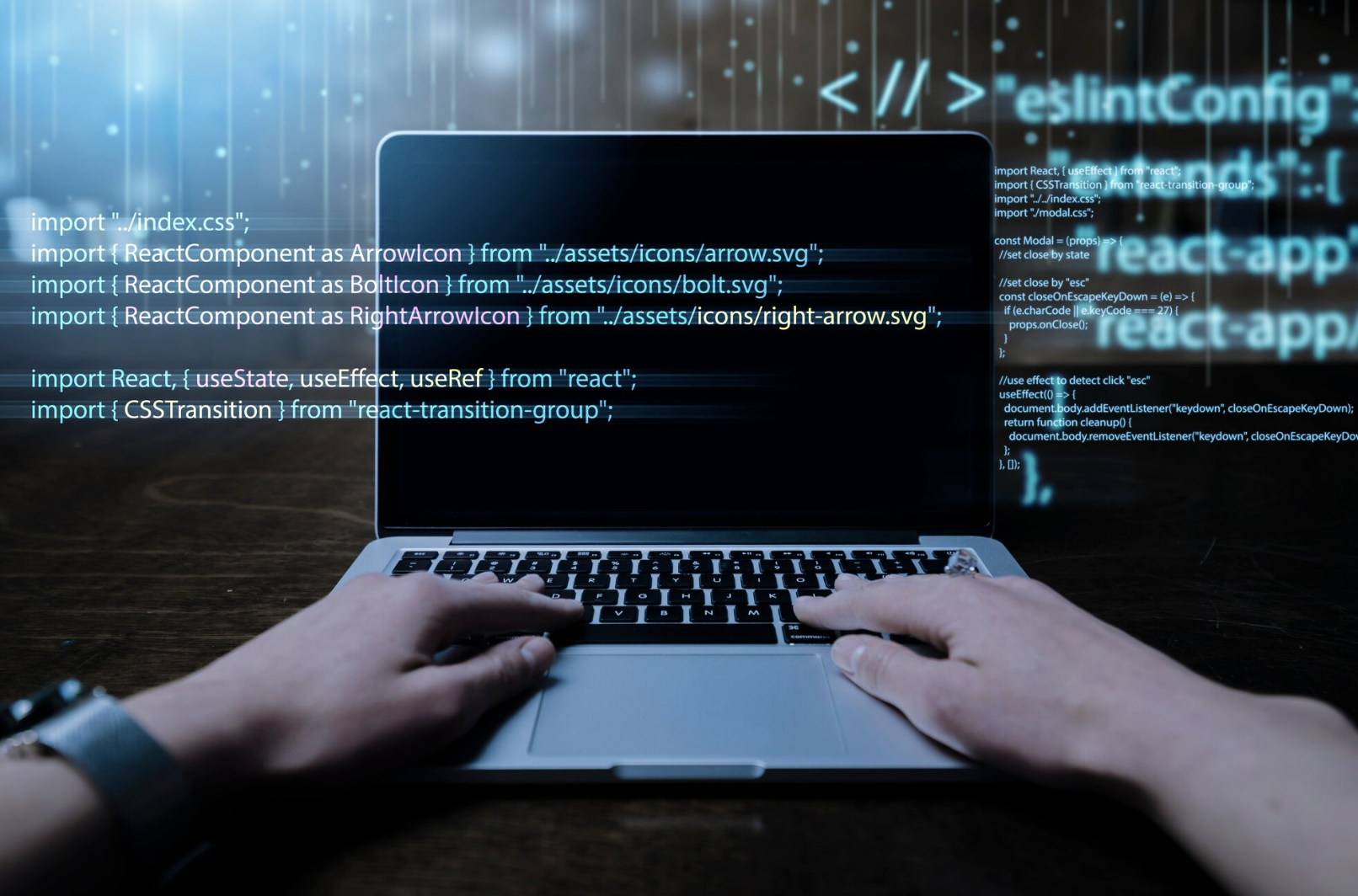
Modern devices may look sleek on the outside, but their true strength lies within. Software powers modern devices, transforming hardware into intelligent tools that think, respond, and adapt to human needs. Without software, even the most advanced device would be nothing more than an inactive shell.
From smartphones and laptops to smart homes and wearable technology, software is the invisible force that drives performance, usability, and innovation in today’s digital world.
Understanding the Role of Software in Modern Technology
Software is a set of instructions that tells a device how to operate. It controls how hardware components communicate, process data, and deliver results to users.
While hardware provides physical capability, software delivers functionality. Together, they form the foundation of every modern device, enabling speed, accuracy, and automation.
Why Software Is Essential for Device Functionality
1. Turning Hardware Into Usable Technology
Hardware alone cannot perform meaningful tasks. Software activates components such as processors, memory, cameras, and sensors. It defines how these parts work together.
For example, a smartphone’s camera relies on software to adjust focus, process images, and enhance quality. Without software, the hardware cannot function effectively.
2. Enabling User Interaction
Software creates the interface between humans and machines. Operating systems, apps, and graphical interfaces allow users to interact with devices easily.
Touchscreens, voice commands, and gesture controls all rely on software. These features make modern devices intuitive, efficient, and accessible to users of all skill levels.
3. Managing Performance and Efficiency
Software optimizes how devices use resources. It manages memory, battery life, and processing power to ensure smooth performance.
Through updates and optimization, software improves device speed and stability over time. As a result, devices remain useful and secure long after purchase.
Software Powers Connectivity and Communication
Modern devices thrive on connectivity. Software enables communication between devices, networks, and users across the globe.
Applications manage internet access, cloud storage, messaging, and data sharing. This connectivity allows devices to sync information instantly and operate as part of larger digital ecosystems.
Because of software, devices can collaborate, learn, and respond in real time.
The Impact of Software on Innovation
Innovation in technology is driven largely by software development. New features often come from code rather than hardware changes.
Artificial intelligence, machine learning, and automation exist because of advanced software. These technologies allow devices to analyze data, adapt behavior, and improve decision making.
As software evolves, devices become smarter without needing physical redesigns.
Software Across Different Modern Devices
Smartphones and Tablets
Mobile software powers apps, security features, and user interfaces. It allows personalization, productivity, and entertainment in one compact device.
Computers and Laptops
Operating systems and applications enable multitasking, data processing, and professional workflows.
Smart Home Devices
Software controls lighting, temperature, security, and automation. Devices respond to commands and adapt to user habits.
Wearables
Health tracking, notifications, and fitness monitoring depend entirely on software algorithms and data processing.
In every case, software powers modern devices by defining what they can do and how well they perform.
Security and Reliability Through Software
Software plays a critical role in protecting modern devices. Security updates fix vulnerabilities and prevent unauthorized access.
Encryption, authentication, and monitoring systems are all software based. These features safeguard personal data and ensure device reliability in an increasingly connected world.
Without regular software updates, even the strongest hardware becomes vulnerable.
The Business and Economic Impact of Software
Software driven devices support global productivity. Businesses rely on software to automate operations, analyze data, and deliver services.
From cloud platforms to enterprise systems, software increases efficiency and scalability. It enables remote work, digital collaboration, and innovation across industries.
As technology advances, software continues to shape economic growth and competitiveness.
Software Updates Extend Device Lifespan
One of software’s greatest advantages is adaptability. Updates add features, improve performance, and enhance security without replacing hardware.
This flexibility reduces electronic waste and maximizes device value. Users benefit from better functionality while manufacturers maintain long term customer engagement.
Common Misconceptions About Software
Some believe hardware determines performance alone. In reality, poorly optimized software can limit even the most powerful hardware.
Others view software as secondary. However, in modern technology, software often defines the entire user experience.
Understanding software’s role helps users and businesses make smarter technology choices.
Final Thoughts: Software Is the Engine of Modern Devices
Modern technology runs on code. Software powers modern devices by enabling functionality, intelligence, and connectivity. It transforms hardware into responsive, adaptable tools that support daily life and global progress.
As software continues to evolve, devices will become more capable without changing form. In a digital first world, software is not just a component it is the driving force behind modern technology.