


The idea of starting an online business with little money has attracted millions of people to dropshipping. You may have seen videos claiming that you can launch a store in a weekend and make thousands of dollars while you sleep.
But what does dropshipping actually look like in 2026?
The truth is more practical. Dropshipping is still one of the easiest ways to enter ecommerce because you do not need to buy inventory upfront or manage a warehouse. However, competition has increased, customers have higher expectations, and simple copy-and-paste stores rarely succeed anymore.
Modern dropshipping is not about finding a random trending product and hoping it goes viral. It is about understanding customers, choosing the right niche, building trust, creating effective marketing campaigns, and delivering a quality buying experience.
If you are a complete beginner with zero ecommerce experience, this guide will walk you through exactly how dropshipping works in 2026, what steps to follow, what mistakes to avoid, and how to build a realistic online business from the ground up.
What Is Dropshipping?
Dropshipping is an ecommerce business model where you sell products online without keeping physical inventory.
Instead of purchasing hundreds of products before making sales, you work with a supplier who stores the products and ships orders directly to your customers.
The process is simple:
- A customer visits your online store.
- The customer purchases a product.
- You send the order details to your supplier.
- The supplier packages and ships the product.
- You keep the profit after expenses.
For example, imagine you create a store selling premium desk accessories for remote workers.
A customer purchases an ergonomic laptop stand from your website for $45.
Your supplier charges you:
- Product cost: $15
- Shipping: $5
Your remaining amount is $25 before marketing costs, payment processing fees, and other expenses.
Your job is not to manufacture the product. Your job is to create demand, build trust, and connect customers with useful products.
How Dropshipping Has Changed in 2026
Dropshipping in 2026 looks very different from the early days of ecommerce.
Years ago, many beginners could succeed by:
- Copying product images from suppliers
- Creating basic stores
- Running cheap advertisements
- Selling generic products
That approach has become much harder.
Today’s customers are more informed. They compare prices, check reviews, expect faster delivery, and recognize low-quality stores quickly.
Successful dropshipping businesses in 2026 focus on:
- Strong branding
- Better customer experience
- Faster shipping options
- Unique marketing content
- Reliable suppliers
- Specific target audiences
The question is no longer:
“Can I sell this product?”
The better question is:
“Why would someone buy this product from my store instead of hundreds of competitors?”
Is Dropshipping Still Profitable in 2026?
Yes, dropshipping can still be profitable in 2026, but it requires a realistic approach.
Many beginners fail because they expect immediate success. They assume that launching a store automatically leads to sales.
A store is only the foundation.
Profit comes from combining several skills:
- Product research
- Copywriting
- Marketing
- Customer psychology
- Data analysis
- Brand building
A successful dropshipping store is closer to a traditional retail business than a quick money experiment.
Like dropshipping, other business models also require understanding customers, investment, and growth strategies. Learning about a franchise business model can help entrepreneurs compare different ways of building a business.
Example: A Weak Dropshipping Approach
A beginner finds a popular kitchen gadget and creates a store within one day.
Problems:
- Hundreds of competitors sell the same product.
- The product has no unique angle.
- The store looks generic.
- Customers do not trust the website.
The result is usually wasted advertising money.
Example: A Better Approach
Another beginner chooses a niche:
“Kitchen tools for small apartment owners.”
Instead of selling random products, they create content around:
- Saving kitchen space
- Improving cooking efficiency
- Organizing small homes
Now they have a specific audience and a stronger brand identity.
How Much Money Do You Need to Start Dropshipping?
One reason dropshipping attracts beginners is the relatively low startup cost.
Traditional retail businesses often require thousands of dollars in inventory.
Dropshipping removes that barrier.
However, starting with zero money is often unrealistic.
Basic Dropshipping Startup Costs
| Expense | Estimated Cost |
| Domain name | $10–$20 per year |
| Ecommerce platform | $20–$40 monthly |
| Product samples | $50–$200 |
| Marketing tests | $100–$500+ |
| Design and branding tools | Optional |
A beginner can start lean, but having some budget makes testing easier.
If you have limited funds, focus on free marketing methods:
- Short-form videos
- SEO content
- Community engagement
- Influencer partnerships
- Email marketing
Money helps you move faster, but knowledge determines whether you move in the right direction.
Step-by-Step Guide: How to Start Dropshipping in 2026
Step 1: Choose a Profitable Dropshipping Niche
Choosing the right niche is one of the most important decisions you will make.
A niche is a specific category of products aimed at a particular group of customers.
Examples:
- Fitness accessories for home workouts
- Travel products for digital nomads
- Eco-friendly household items
- Pet accessories for small dogs
- Organization products for apartment living
A common beginner mistake is choosing a niche because it seems popular.
Popularity alone is not enough.
A good niche should have:
Clear Customer Demand
People should already be searching for solutions.
Strong Problem-Solving Ability
Products that solve problems are easier to sell.
For example:
A posture support product is easier to market because customers understand the problem it solves.
Room for Branding
A product should allow you to create a memorable identity.
A store focused on outdoor adventure equipment has more branding potential than a store selling random gadgets.
Step 2: Research Products Before Building Your Store
Many beginners make the mistake of creating a website first.
The smarter approach is product research first.
Before selecting a product, ask:
- Does this product solve a real problem?
- Are people already buying it?
- Can I create engaging content about it?
- Is there enough profit margin?
- Is shipping practical?
Where to Find Product Ideas
Useful research sources include:
- Ecommerce marketplaces
- Social media trends
- Customer reviews
- Online forums
- Competitor stores
Customer reviews are especially valuable.
They reveal:
- What customers like
- What customers dislike
- What improvements they want
This information helps you create better offers.
Step 3: Find Reliable Dropshipping Suppliers
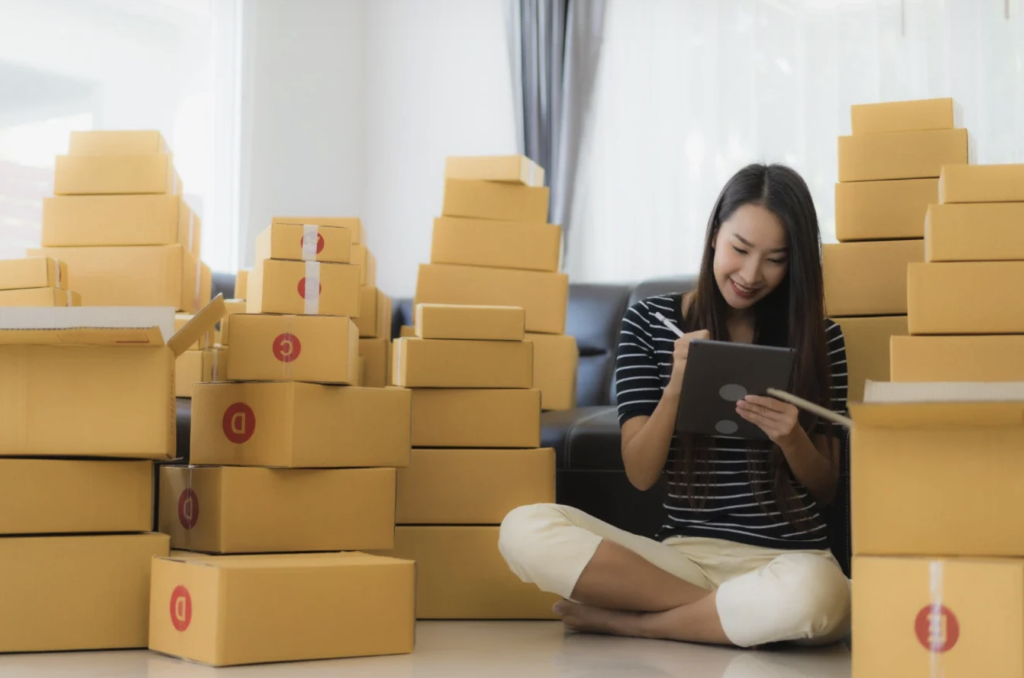
Your supplier is one of the most important parts of your business.
A bad supplier can damage your reputation quickly.
Common supplier problems include:
- Poor product quality
- Delayed shipping
- Incorrect orders
- Weak communication
Before choosing a supplier:
Order Product Samples
Never sell a product you have never personally checked.
A sample allows you to evaluate:
- Material quality
- Packaging
- Delivery speed
- Customer experience
Check Shipping Times
Customers expect reasonable delivery times.
Whenever possible, choose suppliers with:
- Local warehouses
- Faster fulfillment options
- Reliable tracking systems
Build Supplier Relationships
Treat suppliers as business partners.
Good communication can help when:
- Orders increase
- Problems occur
- You negotiate better pricing
Step 4: Build a Professional Dropshipping Store
Your website is your digital storefront.
Customers decide quickly whether they trust a brand.
Building a professional online store does not always require coding skills. Beginners can explore best free website builders in 2026 to create a simple and effective ecommerce website.
A successful store should include:
A Clear Brand Identity
Avoid generic names and designs.
Instead of:
“Best Deals Online Store”
create something specific and memorable.
Example:
A hiking accessories store could focus on helping beginners enjoy outdoor adventures.
High-Quality Product Pages
A strong product page should explain:
- What the product does
- Who it helps
- Why it is better
- How to use it
- Why customers should trust you
Do not copy supplier descriptions.
Original content helps you stand out.
Trust-Building Elements
Include:
- Customer reviews
- Clear return policies
- Contact information
- Secure payment methods
- Shipping details
Trust directly affects conversion rates.
Step 5: Learn Dropshipping Marketing
Marketing is the skill that drives sales.
A great product with no visitors will not succeed.
Short-form video marketing has become one of the most effective ways to showcase products online. Learning how to create viral YouTube Shorts can help dropshipping brands attract attention and reach new customers.
Social Media Marketing
Social media platforms such as TikTok, Instagram, and YouTube Shorts serve as highly effective channels for introducing and showcasing new products to potential customers.
Short videos work well because they demonstrate products quickly.
Example:
Instead of creating an advertisement saying:
“This is a portable coffee maker.”
Create a video:
“I tested this coffee maker during a week of traveling.”
Stories create emotional connections.
Paid Advertising
Paid ads can help you test products faster.
Popular platforms include:
- Meta Ads
- Google Ads
- TikTok Ads
However, beginners often lose money by advertising too early.
Before spending money, understand:
- Your target customer
- Your product advantage
- Your profit margin
- Your competition
SEO Content Marketing
SEO can create long-term traffic.
For example, a home organization store could publish articles like:
- “Small Bedroom Storage Ideas”
- “How to Organize a Tiny Apartment”
- “Best Desk Setup Ideas for Remote Workers”
Educational content builds trust and attracts potential buyers.
For SEO best practices, beginners can use resources from Google Search Central.
Step 6: Understand Your Dropshipping Numbers
Many beginners focus only on sales numbers.
Even if a store earns $10,000 in sales, it doesn’t necessarily mean it’s making a profit; it could still be operating at a loss.
You need to understand:
Customer Acquisition Cost
What is the cost involved in acquiring a single new customer?
Conversion Rate
How many visitors become buyers?
Average Order Value
How much does each customer spend?
Profit Margin
How much money remains after expenses?
Example:
Product price: $60
Expenses:
- Supplier cost: $20
- Shipping: $5
- Advertising: $20
- Fees: $3
Profit:
$12
Understanding numbers helps you make better decisions.
Common Dropshipping Mistakes Beginners Should Avoid
Choosing Products Based Only on Trends
A viral product may disappear quickly.
Look for products with consistent demand.
Copying Competitors Completely
Research competitors, but do not become a copy.
Your advantage should come from:
- Better branding
- Better content
- Better customer service
Ignoring Customer Support
Customer service is part of marketing.
Happy customers create:
- Positive reviews
- Repeat purchases
- Recommendations
Expecting Overnight Success
Dropshipping requires testing.
You may need to experiment with:
- Different products
- Different advertisements
- Different audiences
- Different pricing strategies
Failure during testing is often part of learning.
A 90-Day Dropshipping Plan for Beginners
First 30 Days: Research and Setup
Focus on:
- Choosing a niche
- Finding products
- Studying competitors
- Building your store
- Testing suppliers
Days 31–60: Launch and Test
Focus on:
- Creating content
- Getting visitors
- Testing marketing campaigns
- Improving product pages
Days 61–90: Improve and Scale
Focus on:
- Increasing conversion rates
- Improving customer experience
- Expanding winning products
- Building email marketing systems
The goal is not simply launching a store.
The goal is discovering what works.
The Future of Dropshipping in 2026 and Beyond
Dropshipping is becoming more professional.
Artificial intelligence tools, automation software, and better ecommerce platforms are making operations easier.
At the same time, competition is increasing.
The future belongs to entrepreneurs who focus on:
- Customer needs
- Strong branding
- Quality products
- Fast service
- Creative marketing
The biggest advantage is no longer access to products.
Almost everyone has access to products.
The advantage is understanding people better than competitors.
Final Thoughts
Dropshipping for beginners in 2026 is not a shortcut to instant wealth. It is an entry point into ecommerce.
The opportunity exists because people will always buy products online. The difference is that successful businesses understand why customers buy and how to serve them better.
Start with research. Choose products carefully. Build trust. Learn marketing. Improve through testing.
The entrepreneurs who treat dropshipping as a real business, not a quick experiment, are the ones most likely to create long-term success.
Frequently Asked Questions
1. Can I start dropshipping with no experience?
Yes. Many successful store owners started without ecommerce experience. You need to learn product research, marketing, customer service, and basic business management.
2. Is dropshipping legal?
Yes, dropshipping is a legal business model. However, you must follow your country’s tax laws, consumer protection rules, and ecommerce regulations.
3. How long does it take to make money from dropshipping?
There is no guaranteed timeline. Some stores get sales quickly, while others require months of testing and improvement.
4. What are the best dropshipping products for beginners?
Beginner-friendly products usually solve problems, have clear demand, are easy to demonstrate, and provide enough profit margin.
5. Do I need inventory for dropshipping?
No. The supplier stores and ships products for you. However, ordering samples before selling is strongly recommended.
6. Is dropshipping still worth it in 2026?
Yes, but success requires more than copying products. Beginners need to focus on branding, customer experience, and smart marketing.