

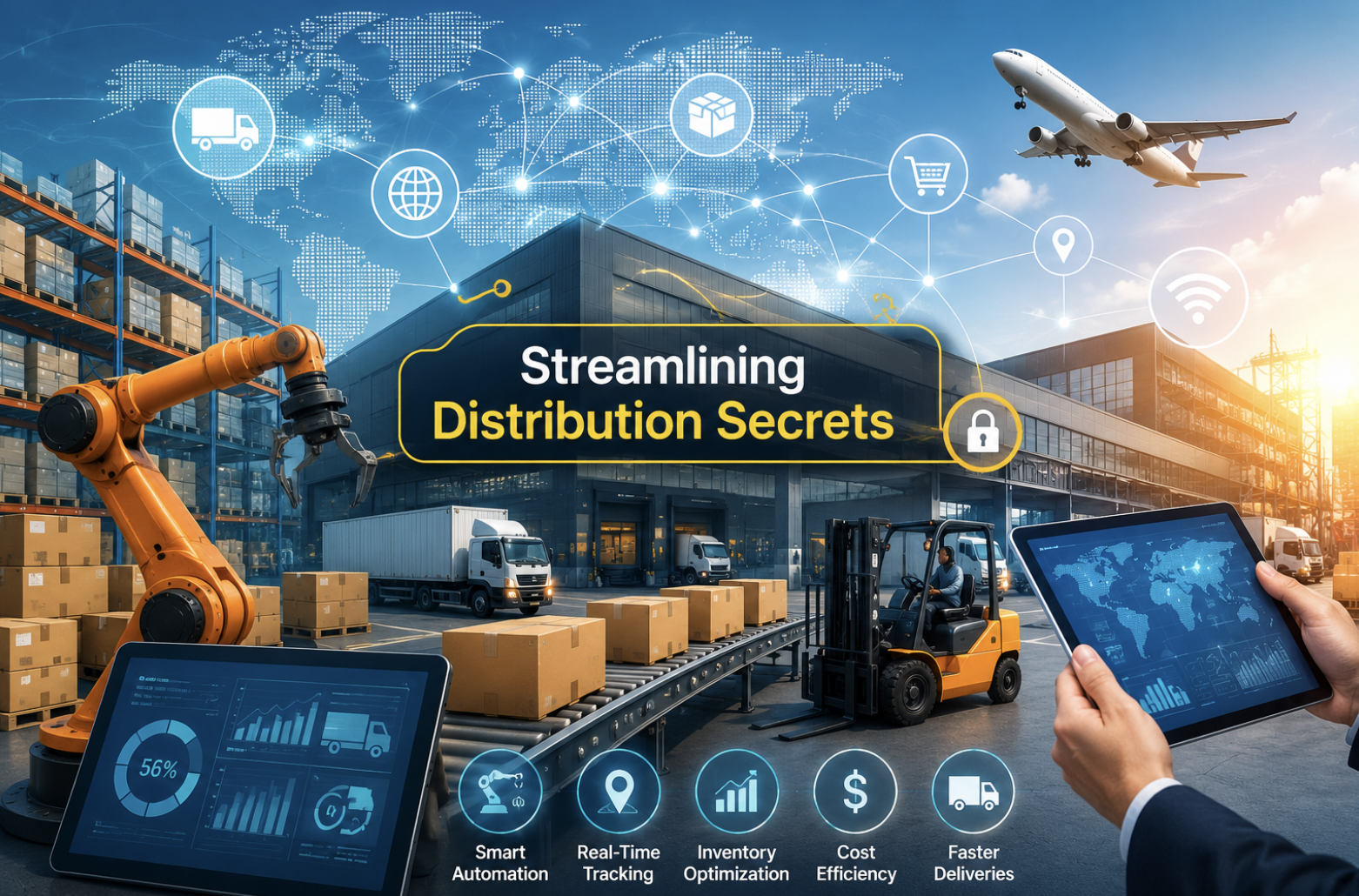
Every successful business shares one powerful advantage. It delivers products quickly, accurately, and consistently. Customers no longer judge brands solely by product quality. Instead, they expect fast shipping, reliable tracking, and smooth delivery experiences every time they place an order. As competition continues to grow, businesses cannot afford slow or outdated distribution methods. Every delay increases operational expenses and damages customer trust.
Therefore, companies are investing in smarter logistics systems that simplify every stage of the supply chain. Streamlining distribution has become more than a cost-saving strategy. Today, it serves as a competitive advantage that improves productivity, strengthens customer loyalty, and supports long-term growth. Organizations across retail, manufacturing, healthcare, and e-commerce are redesigning their distribution networks to eliminate waste while increasing speed.
Modern distribution combines advanced technology, intelligent planning, automation, and data-driven decisions. Together, these elements create supply chains that respond quickly to changing customer expectations while maintaining operational efficiency.
This guide explores everything you need to know about streamlining distribution, including practical strategies, emerging technologies, common challenges, and the exciting future of supply chain management.
What Is Streamlining Distribution?
Streamlining distribution is the process of improving the movement of products from manufacturers to customers through faster, simpler, and more efficient operations. Every activity within the supply chain is carefully analyzed to remove delays, reduce unnecessary work, and improve overall performance. Rather than focusing only on transportation, streamlined distribution improves every stage of logistics.
Businesses evaluate warehouse operations, inventory control, shipping methods, supplier relationships, packaging processes, and delivery networks. The ultimate objective is simple. Products should reach customers as quickly and accurately as possible while minimizing costs throughout the entire supply chain. Companies achieve this by integrating technology, automating repetitive tasks, improving communication, and continuously measuring performance.
Why Distribution Efficiency Matters More Than Ever
Consumer expectations have changed dramatically over the past decade. Online shopping has created a demand for same-day and next-day deliveries. Customers now expect complete visibility throughout the delivery process.Meanwhile, businesses face increasing transportation costs, labor shortages, supply chain disruptions, and unpredictable market conditions.Efficient distribution helps organizations overcome these challenges by creating flexible and responsive logistics systems. Some of the biggest advantages include:
- Faster order fulfillment
- Lower transportation expenses
- Reduced warehouse costs
- Improved inventory accuracy
- Better customer satisfaction
- Higher profit margins
- Greater operational flexibility
- Easier business expansion
When distribution becomes more efficient, every department benefits. Sales teams fulfill more orders, warehouse staff work more productively, and customers enjoy a better purchasing experience.
Understanding the Modern Distribution Process
Modern distribution involves much more than shipping products. Every movement within the supply chain affects speed, cost, and customer satisfaction. A streamlined distribution process generally includes supplier coordination, inventory management, warehouse operations, order processing, packaging, transportation planning, delivery tracking, and customer communication. Each step must operate smoothly because even a small delay can create larger disruptions throughout the supply chain. Businesses continuously monitor these activities using real-time analytics and performance indicators to identify opportunities for improvement.
Removing Inefficiencies Across the Supply Chain
One of the most effective ways to improve distribution involves eliminating unnecessary processes. Many businesses unknowingly waste valuable time by moving products multiple times inside warehouses, relying on outdated paperwork, or using inefficient routing systems. Instead of accepting these delays, successful organizations perform detailed process evaluations. Managers often create workflow maps that reveal every movement from receiving inventory to final delivery. This approach makes hidden bottlenecks easier to identify.
Once unnecessary activities disappear, distribution becomes significantly faster while operating costs decline. Even small improvements repeated thousands of times each day can generate remarkable savings.
Technology Is Revolutionizing Distribution Operations
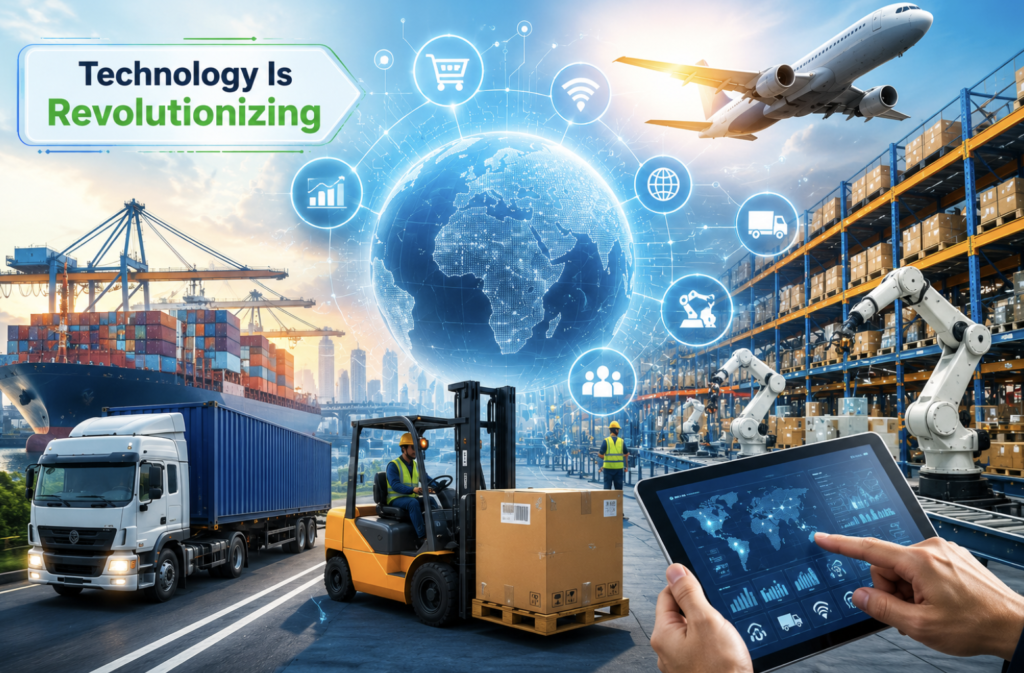
Technology has become the driving force behind modern distribution. Digital systems replace manual processes, allowing businesses to make faster and more accurate decisions. Warehouse Management Systems monitor inventory in real time while reducing picking errors. Enterprise Resource Planning software connects purchasing, production, inventory, and shipping into one integrated platform. Barcode scanning and RFID technology improve inventory visibility throughout the supply chain. Artificial intelligence predicts customer demand using historical sales patterns and current market conditions.
Meanwhile, machine learning continuously improves forecasting accuracy as new data becomes available. Cloud-based platforms also enable different departments to collaborate instantly regardless of location. Together, these technologies create faster, smarter, and more reliable distribution networks.
Warehouse Optimization Creates Faster Order Fulfillment
Warehouses play a central role in every distribution strategy. Poor warehouse organization leads to longer picking times, increased labor costs, and higher error rates. Successful businesses redesign warehouse layouts to maximize efficiency. Frequently purchased products remain close to packing stations, allowing employees to retrieve items quickly. Similar products stay together to reduce unnecessary walking.
High-value products occupy secure storage areas, while fragile inventory receives specialized handling. Clear aisle layouts improve worker movement while reducing congestion during busy periods. These improvements significantly increase daily productivity without expanding warehouse space.
Automation Is Reshaping Distribution Centers
Automation continues transforming logistics around the world. Instead of relying entirely on manual labor, businesses increasingly use intelligent systems to perform repetitive tasks. Automated conveyor belts transport products between workstations. Sorting machines organize packages according to shipping destinations. Robotic picking systems retrieve products with remarkable speed and precision. Automated packaging equipment reduces material waste while increasing consistency.
Although automation requires an initial investment, long-term savings often justify the expense. Companies experience fewer errors, faster processing times, and greater operational capacity. Employees can also focus on higher-value responsibilities instead of repetitive physical tasks.
Smarter Inventory Management Improves Performance
Inventory represents one of the largest investments for many businesses. Holding too much inventory increases storage costs. Holding too little inventory creates stock shortages and disappointed customers. Modern inventory management balances these competing priorities through accurate forecasting and continuous monitoring.
Businesses analyze seasonal demand, purchasing behavior, economic trends, and historical sales to predict future inventory needs. Real-time inventory systems immediately update stock levels after every transaction. This visibility prevents overselling while supporting faster replenishment decisions. Better inventory control improves cash flow while reducing unnecessary storage expenses.
Cross-Docking Speeds Up Product Movement
Cross-docking has become a popular strategy for companies seeking faster distribution. Instead of storing incoming shipments for extended periods, products move directly from receiving docks to outbound transportation. Minimal storage means lower warehouse costs and faster customer deliveries. Cross-docking works especially well for high-demand products, fresh food, pharmaceuticals, and retail merchandise. Businesses also reduce inventory handling, which lowers the risk of product damage. As a result, customers receive orders sooner while organizations reduce operational expenses.
Route Optimization Reduces Delivery Costs
Transportation often represents the largest distribution expense. Fortunately, intelligent routing software helps businesses maximize delivery efficiency. Modern route optimization systems analyze traffic conditions, weather, fuel consumption, delivery schedules, road closures, and customer locations simultaneously. Drivers receive optimized routes that reduce unnecessary travel. Consequently, businesses complete more deliveries each day while lowering fuel expenses. Customers also receive more accurate delivery estimates and improved service reliability.
Third-Party Logistics Providers Add Flexibility
Many growing businesses partner with Third-Party Logistics providers, commonly known as 3PL companies. These specialists manage warehousing, transportation, inventory storage, packaging, and order fulfillment. Rather than investing heavily in logistics infrastructure, businesses leverage existing distribution networks. This approach reduces operating costs while increasing scalability.
During seasonal demand spikes, 3PL providers quickly expand capacity without requiring businesses to purchase additional equipment. Companies also gain access to experienced logistics professionals and advanced technology. Consequently, internal teams can concentrate on product development, marketing, and customer service.
Data Analytics Drives Better Distribution Decisions
Data has become one of the most valuable assets in modern logistics. Every shipment generates useful information that helps businesses improve future performance. Analytics reveal delivery delays, warehouse bottlenecks, transportation costs, inventory turnover, and customer purchasing trends. Managers use this information to make smarter operational decisions.
Instead of reacting to problems after they occur, companies identify risks before they affect customers. Predictive analytics also improves forecasting while reducing unnecessary inventory investments.
Sustainability Is Becoming a Distribution Priority
Environmental responsibility now influences many distribution decisions. Businesses increasingly seek ways to reduce emissions while maintaining operational efficiency. Electric delivery vehicles continue gaining popularity. Packaging materials are becoming lighter and more recyclable. Warehouse facilities use energy-efficient lighting and smart climate control systems. Route optimization also reduces fuel consumption through shorter travel distances. These improvements lower environmental impact while reducing long-term operating costs. Customers increasingly appreciate businesses that prioritize sustainable logistics practices.
Common Challenges When Streamlining Distribution
Although the benefits are substantial, implementation requires careful planning. Many organizations face resistance when introducing new technologies. Employees may require additional training before adopting automated systems. Technology integration can also become complex when older software remains in use. Supply chain disruptions, labor shortages, and fluctuating transportation costs create additional challenges.
However, businesses that invest in continuous improvement usually overcome these obstacles successfully. Long-term planning and strong leadership remain essential throughout the transformation process.
The Future of Distribution Is Smarter Than Ever
Distribution continues evolving rapidly. Artificial intelligence will soon automate more planning decisions. Robotics will become increasingly common inside warehouses. Autonomous delivery vehicles and drones may eventually handle last-mile deliveries in many regions. Digital twins will allow businesses to simulate supply chain changes before implementation. Blockchain technology will improve transparency across global logistics networks. Real-time analytics will continue helping businesses respond instantly to changing market conditions. Companies that embrace innovation today will remain competitive tomorrow.
Final Thoughts
Streamlining distribution has evolved into one of the most valuable business strategies in today’s competitive marketplace. Companies that optimize their logistics operations gain faster deliveries, lower operating costs, stronger inventory control, and significantly higher customer satisfaction.
Success no longer depends solely on manufacturing quality products. It also depends on delivering those products efficiently, accurately, and consistently. Businesses that combine automation, intelligent planning, data analytics, warehouse optimization, and advanced transportation strategies create supply chains capable of adapting to constant market changes.
As technology continues advancing, distribution systems will become even more connected, predictive, and automated. Organizations that invest in continuous improvement today will build stronger customer relationships while achieving sustainable long-term growth. Streamlined distribution is no longer an option. It has become the foundation of modern business success.
Frequently Asked Questions
1. What does streamlining distribution mean?
It means improving supply chain processes to deliver products faster, cheaper, and more efficiently.
2. Why is distribution important for businesses?
Efficient distribution reduces costs while improving customer satisfaction and profitability.
3. How does automation improve distribution?
Automation speeds up operations, reduces human error, and increases productivity.
4. What is cross-docking in logistics?
Cross-docking transfers products directly between shipments with little or no storage.
5. How does warehouse zoning help distribution?
Warehouse zoning reduces travel time and improves order picking efficiency.
6. What role does AI play in distribution?
AI predicts demand, optimizes inventory, and improves delivery planning.
7. What is a Third-Party Logistics provider?
A 3PL company manages logistics services such as warehousing and transportation.
8. How does route optimization reduce costs?
It selects the most efficient delivery routes to save fuel and time.
9. Why is inventory management important?
Proper inventory management prevents shortages while reducing excess stock.
10. Can small businesses benefit from streamlining distribution?
Yes, efficient distribution improves customer service while lowering operating expenses.
11. What industries benefit the most from streamlined distribution?
Retail, manufacturing, healthcare, wholesale, and e-commerce all benefit significantly.
12. How does streamlining distribution improve customer satisfaction?
It ensures faster deliveries, accurate orders, and reliable tracking updates.
13. What are the biggest distribution challenges?
Technology integration, labor shortages, and supply chain disruptions remain common obstacles.
14. How does data analytics improve logistics?
It helps businesses make informed decisions using real-time operational insights.
15. What is the future of distribution?
The future includes AI, robotics, autonomous vehicles, predictive analytics, and sustainable logistics.