

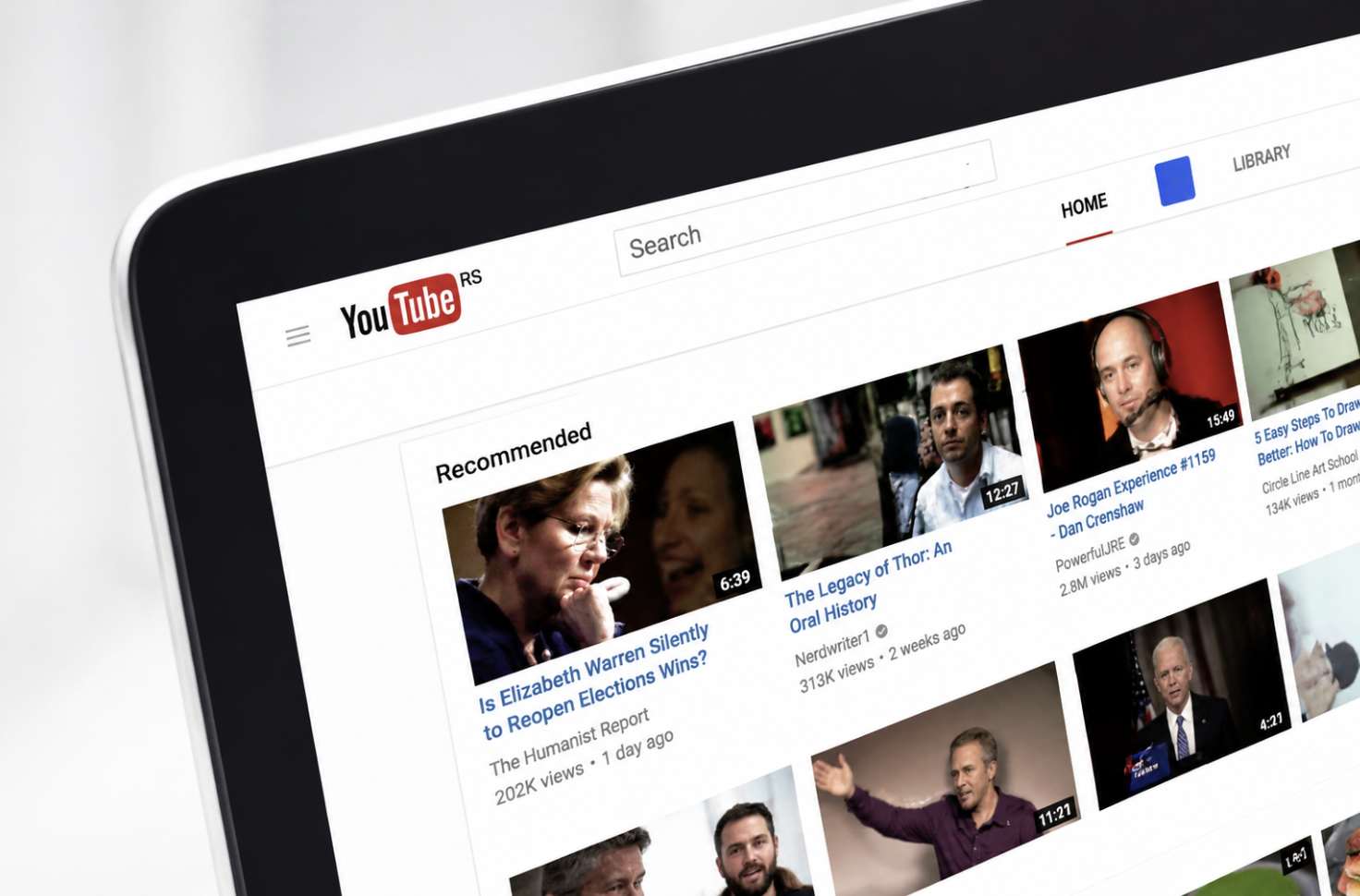
You have definitely experienced that exact moment of deep frustration today. The sudden temptation to rip that audio file is incredibly powerful. Millions of people actively search for quick online conversion tools. However, lurking beneath these convenient websites lies immense danger. Navigating this shady landscape requires more than copying a link. You are about to discover the unfiltered truth about downloading.
The Hidden Reality Of Audio Extraction
Extracting audio from a streaming video dismantles a finished product. When you use a converter, you bypass the platform’s designed experience. The tool reaches into the video file and discards visual components. This extracted audio is then heavily compressed into a universal format. While this sounds harmless, it violates foundational digital media architecture. Understanding this underlying technical reality helps you make informed decisions.
Why Millions Crave Offline Audio Files
The intense desire for offline audio stems from legitimate digital frustration. Streaming platforms are fantastic until you enter a dead subway tunnel. Having downloaded audio files means you hold ultimate listening power. Commuters absolutely love transforming wasted driving time into productivity. Students heavily rely on this method to review complex university lectures. It ultimately boils down to taking control over your personal media consumption.
The Podcast And Lecture Dilemma
Educational content represents a massive chunk of what people desperately download. A two-hour university lecture is incredibly difficult to skim through online. An audio file makes finding specific sections of a lesson much easier. Podcasters often upload content to video sites despite visual components being unnecessary. Listeners simply want valuable information without draining their device battery. This specific educational use case makes converter tools incredibly appealing to students.
The Technical Magic Behind The Curtain
The actual technology powering these sites is surprisingly straightforward. When you paste a link, the converter fetches raw video data remotely. It then uses specialized software to separate audio and video tracks. Once isolated, the raw audio is encoded into a playable media format. This entire heavy lifting usually happens on a remote server farm. The final compressed file is sent back to your device for playback.
Remote Servers Doing The Heavy Lifting
You might notice some conversions take seconds while others stall. This speed discrepancy depends on the remote servers processing your request. During peak hours, thousands demand the exact same extraction process. High-quality extraction requires processing power your smartphone lacks. By offloading this task to cloud servers, websites deliver rapid results. However, this dependency explains why these free sites are so aggressive.
The Great Debate Over Website Versus Software
Users face two distinct paths when choosing how to extract audio files. Browser-based websites offer immediate gratification with zero installation required. However, these web platforms often bombard you with malicious pop-up advertisements. Conversely, downloadable desktop applications demand hard drive space but are safer. Websites suffer from frequent downtime due to intense legal copyright pressure. Desktop software survives longer because the code resides locally on your machine.
Why Browser Extensions Seem Tempting
A third option exists in the form of convenient browser extensions. These little plugins integrate the extraction process into your browsing routine. Unfortunately, they require deep permissions that open massive security vulnerabilities. Many malicious developers disguise data-harvesting spyware as helpful tools. While a one-click solution is appealing, the privacy cost is too high. You should absolutely avoid unverified browser extensions to stay safe.
The Legal Tightrope You Must Understand
The legality of ripping audio lands in a massive gray area for consumers. When you upload a video, you grant the platform a license to distribute it. You do not grant random third-party websites the right to intercept content. The platform’s terms explicitly prohibit downloading unless a button is provided. By using an unauthorized extractor, you breach a legally binding user contract. This breach gives the platform the absolute right to terminate your account.
When Downloading Actually Breaks The Rules
The legal risks escalate dramatically when content is protected by copyright. Downloading a copyrighted song to avoid paying is considered digital piracy. Record labels employ automated bots scanning the internet for illegal files. While individuals rarely get prosecuted, the hosting sites face swift action. You must always assume copyrighted material is strictly off-limits for extraction. Ignorance of these strict copyright laws is never a valid legal defense.
The Unavoidable Risks Of Free Tools
The adage that nothing in life is truly free is incredibly accurate here. These websites do not exist out of the goodness of developers’ hearts. To keep the lights on, they push aggressive advertising networks with malware. A single wrong click can infect your computer with crippling ransomware. Even if you avoid malware, your personal data is harvested and sold. You are essentially trading your digital security for a compressed audio file.
Malware Hiding In Plain Sight

The most common tactic is the fake download button disguised as an ad. These deceptive advertisements look exactly like the converter’s interface. Clicking them triggers an executable file download instead of your music. Once executed, this hidden malware can log your keystrokes and steal passwords. Security researchers find that most free converter domains host dangerous malware. You must scrutinize every single element on the webpage before downloading.
The Illusion Of High Quality Audio
Many converter sites display options for ultra-high-quality audio bitrates. They might offer a toggle for extremely high uncompressed digital music bitrates. However, video platforms aggressively compress audio before you ever see it. Most standard videos stream audio at a maximum of 128kbps to save bandwidth. Extracting that file and converting it higher does not restore lost data. You are simply creating a larger file that sounds exactly the same.
Why High Bitrate Claims Are Fake
When a converter inflates a highly compressed stream, it just wastes space. Think of it like stretching a low-resolution photograph to fit a massive billboard. The image gets blurrier and takes up significantly more storage on your drive. True high-fidelity audio must be sourced from original uncompressed studio recordings. Falling for this clever marketing trick leaves you with zero quality improvement. You should stick to standard settings to avoid wasting your device’s storage.
Bulletproof Strategies For Safe Extraction
If you must use a converter, adopting extreme paranoia is your best defense. First, ensure you have an actively updated antivirus program running constantly. Second, utilize an aggressive ad-blocking extension to neutralize malicious pop-ups. Never click anything other than the specific text box for your web link. Be prepared to immediately delete the file if your security software alerts you. These strict precautions are the absolute minimum requirement for device safety.
The Antivirus Necessity
Relying on your operating system’s built-in security is no longer sufficient. Modern malware is specifically designed to bypass default protections entirely. A dedicated premium antivirus catches malicious payloads the exact millisecond they execute. This software blocks communication with known malicious servers to protect data. Considering the devastating cost of ransomware, investing in security is mandatory. Never attempt to download files from untrusted sources without this digital armor.
Ethical Alternatives Worth Your Money
Fortunately, the modern digital landscape offers legitimate ways to enjoy offline media. Every major streaming platform now offers a premium tier with offline downloading. These official downloads are completely legal, safe from malware, and high quality. While paying a monthly fee seems less appealing than a free tool, it provides peace of mind. You actually get to support the artists you love while enjoying a superior experience. Making the switch to a legitimate platform is the single best decision you can make.
How Streaming Platforms Evolved
Streaming giants finally realized users wanted offline access and built native solutions. Subscribing to premium tiers gives you legal access while compensating creators. The interfaces are designed to automatically refresh your offline library perfectly. Furthermore, these platforms offer personalized recommendations across all your devices. The complete ecosystem approach makes paying for a subscription feel like a massive upgrade. You no longer have to compromise your morals or risk your security just to listen.
Peering Into The Future Of Media Conversion
As we move deeper into the decade, the era of rogue online converters is ending. Copyright enforcement algorithms are becoming incredibly sophisticated and effective. At the same time, streaming platforms are lowering prices to eliminate converter demand. The tech industry is pushing toward a secure ecosystem where creators are properly paid. This could eventually render third-party converter tools completely obsolete and useless. The convenience of a free rip will be overshadowed by better legal options.
Conclusion
Navigating the complex world of online audio extraction requires understanding hidden dangers. While the desire for offline listening is valid, the methods are fraught with peril. Malware, data theft, and copyright infringement are real consequences of free tools. You must weigh fleeting convenience against the devastating cost of a compromised device. Choosing legitimate streaming alternatives is the only guaranteed way to enjoy media safely. Protecting yourself and supporting creators should always be your top priorities today.
Frequently Asked Questions
What exactly is a YouTube converter to MP3?
It is a software tool designed to extract the audio track from a video file and save it as a playable MP3.
Does converting videos violate the terms of service?
Yes, using third party tools to download content is a direct violation of the platform’s official user agreement.
Why do people risk using these converter websites?
Users primarily want to listen to music, lectures, or podcasts offline without relying on a constant internet connection.
Are these online conversion tools actually safe to use?
Many are incredibly dangerous and frequently harbor hidden malware, aggressive adware, and invasive data trackers.
What is the actual best audio quality I can get?
You cannot get better than 128kbps because that is the maximum quality the video platform initially compresses the audio to.