

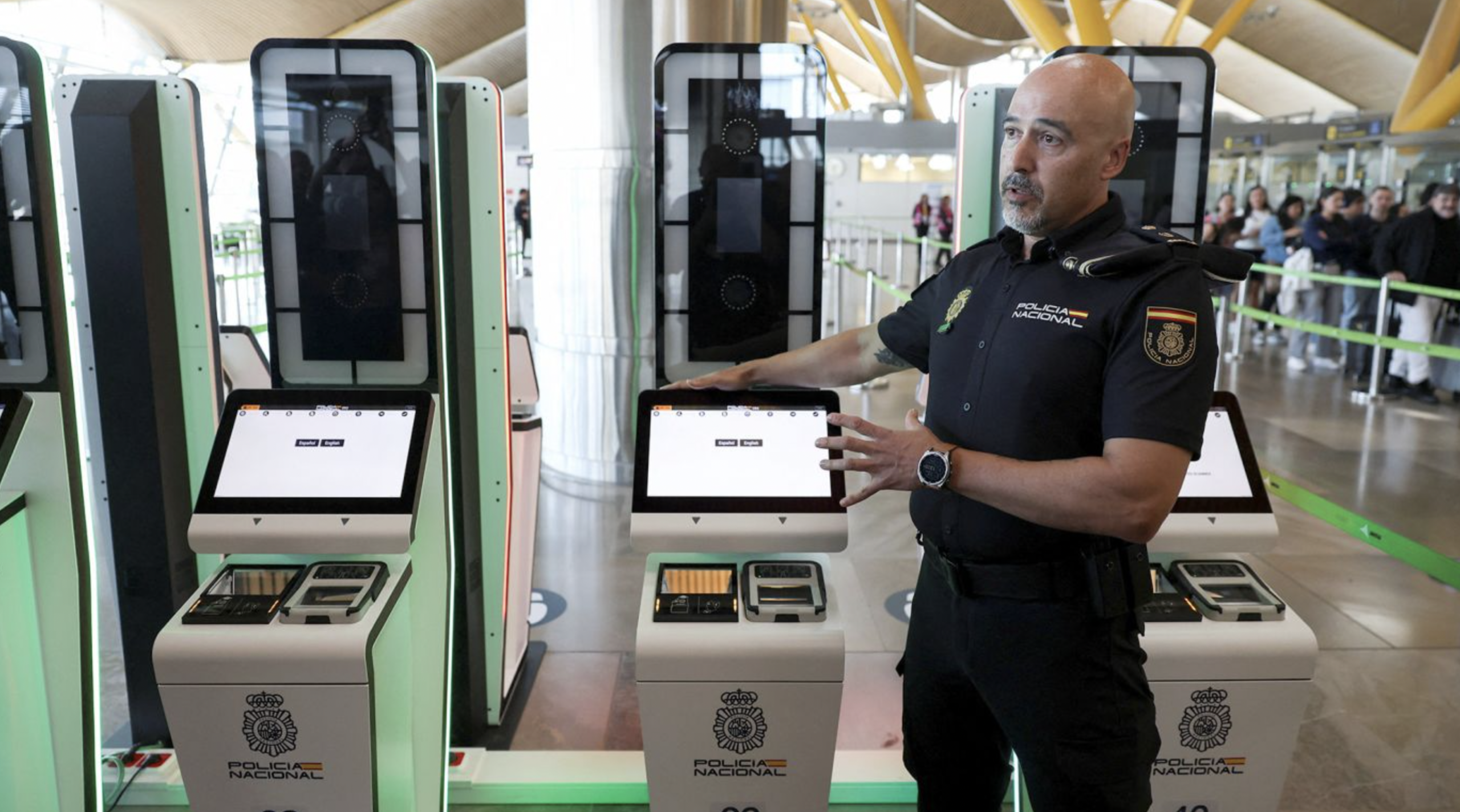
EES and ETIAS are two separate European border systems, and only one of them is running today. The Entry/Exit System has been live since April 10, 2026, while the travel authorization is still to come.
In this article, we will explore how the two differ, who each one affects, and a simple order of steps by timing, so a short trip to Europe does not hit a surprise at the airport.
EES and ETIAS Side by Side
The quickest way to keep them apart is to remember what each one does. EES is a border record: it logs who crosses, when and where. ETIAS is a permission: it is checked before you board. The table below uses the European Commission Home Affairs news page from April 28, 2026, which is the official page the facts here come from.
| Feature | EES | ETIAS |
| Status | Operational since April 10, 2026 | Expected in the last quarter of 2026; exact date to be announced later in the year |
| Who | Non-EU nationals on short stays of up to 90 days in any 180-day period | Visa-free nationals on short stays |
| Countries covered | The 29 Schengen countries | The Schengen area and Cyprus, 30 countries |
| Advance step | Nothing to apply for; optional pre-registration up to 72 hours before entry | Online application before travel, on the official website or app |
| At the border | Passport details recorded, facial image and fingerprints collected, entry and exit dates and places logged | Approval checked before boarding |
| Fee | None mentioned on the page | One-time fee exists; amount not on the page read |
| Validity | Not applicable; it is a record | 3 years or until the passport expires, whichever comes first |
The ETIAS start date and fee amount are not on the official page read, so neither appears here. Anyone quoting a precise date or price should name an official source.
Who Needs EES and Who Needs ETIAS
EES applies to non-EU nationals on short stays. ETIAS is narrower: it is for travelers who may enter without a visa. The two systems do not always apply together.
A US Citizen on a Short Stay
The official page gives this example: a US citizen on a short stay will need ETIAS once it is operational, and will also be recorded in EES on arrival. So an American traveler faces both, but at different moments. EES happens at the border now, and ETIAS is an advance online step later.
A Traveler Who Needs a Visa
The page also gives the example of an Indian citizen. Because a visa is required, ETIAS does not apply, but EES data is still recorded at the border.
Rules differ by country of citizenship and by the length and purpose of the stay, so check the official EU travel website for your own situation.
A Traveler Checklist in Order of Timing
Use the three stages below as a working sequence.
Now
- Check your passport. Passport validity rules are set by each country, so confirm the requirements for your destination rather than assuming. This is general guidance, not a rule from the official page.
- Bookmark the official EU travel website. ETIAS is linked to your passport, so you will want the correct application route ready when it opens, and you can check there for the confirmed start date.
Before the Trip
- Decide whether to pre-register. The “Travel to Europe” mobile app lets you submit EES data up to 72 hours before entry. The page does not say whether the app is available in every country, so check your app store before you rely on it.
- Once ETIAS is running, apply online before you travel, using only the official website or app. Approval is checked before boarding, so do not leave it until the airport. Because the fee amount is not on the page read, confirm the current figure on the official site.
- Be wary of look-alike websites. As general advice, some imitation ETIAS sites charge extra fees. If a site is not the one linked from the official EU travel website, close it.
At the Border
- Allow extra time. At EES border points your passport details are recorded and a facial image and fingerprints are collected. First-time registration can take longer than a simple passport stamp, which is general guidance and not a measured wait time.
Misreadings to Ignore
A few claims spread easily, and the official page does not support them. First, ETIAS is not a visa. It is an online authorization for people who already travel visa-free, and it is linked to the passport, with nothing to print. Second, EES is not something you apply for in advance, so any website offering to sell you an EES application is not offering what the official page describes. Third, ETIAS is not yet a requirement in the way EES is, because its start date has not been confirmed on the page read.
Where to Start
For a trip in the next few months, expect EES at the border and check your passport. For a later trip, watch for the ETIAS date announcement and apply well before you fly. In both cases, treat the official EU travel website as your single reference point.
Conclusion
EES is the border record that is already here, and ETIAS is the advance permission that is expected in the last quarter of 2026. One needs patience at the border, the other needs planning before you leave home. Because the ETIAS start date and fee were not confirmed on the page read, check the official EU travel website before booking. This is general information only.
Frequently Asked Questions
Is EES in Effect Now?
Yes. According to the European Commission, EES has been operational since April 10, 2026. It records non-EU nationals on short stays in the 29 Schengen countries.
When Does ETIAS Start?
The official page says it is expected in the last quarter of 2026, with an exact date to be announced later in the year. The page read did not confirm a start date, so check the official EU travel website.
How Much Does ETIAS Cost?
A one-time application fee exists, but the amount was not on the official page read. Check the official EU travel website for the current figure before paying anyone.
Do US Citizens Need Both EES and ETIAS?
According to the page, a US citizen on a short stay will need ETIAS once it is operational and will also be recorded in EES on arrival. EES applies now, while ETIAS applies only after it starts.
Can I Pre-Register for EES Before I Fly?
Yes, up to 72 hours before entry, using the “Travel to Europe” mobile app. The page does not say whether the app is available in every country, so check first.