

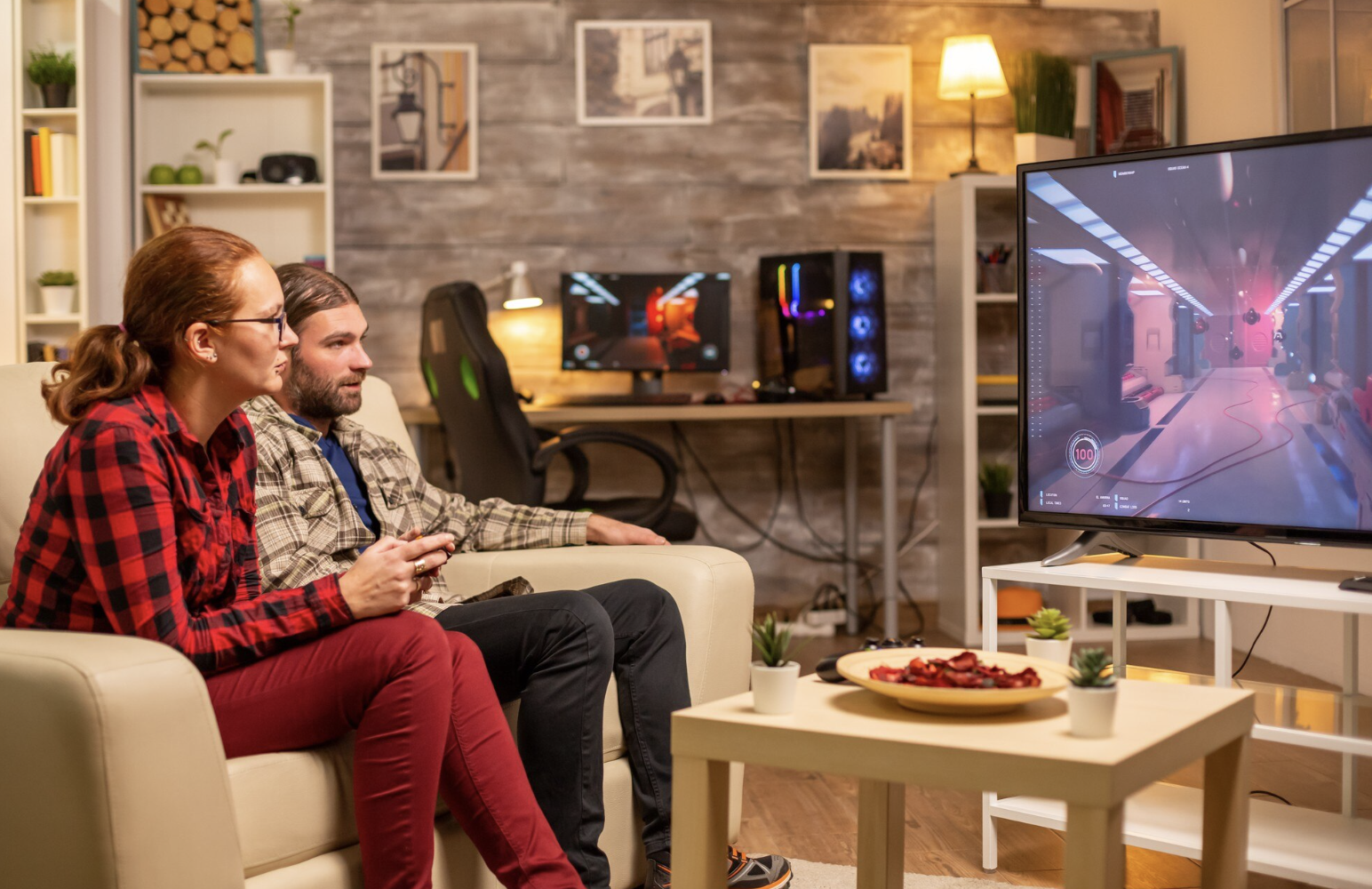
Interactive entertainment has evolved rapidly during the last two decades. Players now explore massive virtual worlds with remarkable visual detail. However, the biggest debate still centers on platform choice. Many enthusiasts compare PC gaming vs console gaming before buying hardware.
Both options deliver exciting experiences and impressive graphics. Nevertheless, each platform provides distinct strengths. Understanding those differences helps players make smarter decisions.
Performance and Visual Quality
Desktop rigs often deliver exceptional visual power. High end graphics cards render sharp textures and realistic lighting effects. Moreover, adjustable settings allow users to fine tune performance.
Frame rates frequently exceed those found on living room systems. Consequently, fast paced titles feel smoother and more responsive. Competitive players often prefer this precision.
In contrast, consoles prioritize stability and simplicity. Developers optimize software specifically for fixed hardware. Therefore, performance usually remains consistent without adjustments.
Additionally, modern consoles now support high resolution displays and ray tracing. Visual quality continues improving with every generation.
Hardware Flexibility and Upgrades
Computer based platforms allow continuous customization. Users replace graphics cards, processors, memory, and storage. As a result, performance grows without replacing the entire system.
Enthusiasts often enjoy building personalized machines. Furthermore, upgrades extend device lifespan for many years.
Meanwhile, consoles offer a straightforward approach. Buy the device, connect cables, and start playing immediately. There are no compatibility worries or upgrade decisions.
However, hardware remains fixed during its lifecycle. Therefore, players must wait for a new generation release.
Game Libraries and Exclusive Titles
Both ecosystems provide massive entertainment catalogs. Yet exclusive releases often influence purchasing decisions.
Console manufacturers invest heavily in exclusive productions. These titles showcase unique characters and cinematic storytelling. Consequently, loyal fans follow particular brands closely.
Meanwhile, computers host enormous libraries across digital storefronts. Many indie creators launch innovative projects on this platform first. Additionally, strategy simulations and complex management titles thrive there.
Modding communities also enhance countless games. Players modify graphics, mechanics, or entire storylines. This freedom creates endless replay value.
Controls and Gameplay Experience
Control style greatly affects immersion. Console users usually rely on comfortable handheld controllers. These devices support relaxed couch gameplay.
Large televisions also create a social living room atmosphere. Friends gather easily for cooperative or competitive sessions.
Meanwhile, computer players typically use keyboard and mouse combinations. This setup provides precise aiming and rapid commands. Therefore, shooters and strategy titles benefit greatly.
However, many computers also support controllers. Consequently, players choose whichever method feels comfortable.
Cost Considerations
Budget often shapes purchasing decisions. Consoles usually offer lower entry prices. A single purchase provides reliable performance for several years.
Additionally, manufacturers sometimes bundle games or subscriptions. These packages improve overall value.
Computer setups may require higher initial spending. Powerful components increase total cost quickly.
However, digital stores frequently provide deep discounts. Seasonal sales allow players to build libraries cheaply. Over time, software savings may balance hardware expenses.
Online Services and Multiplayer Access
Modern gaming heavily relies on internet connectivity. Both ecosystems support online competition and cooperative adventures.
Console platforms often require subscription services. These memberships enable multiplayer features and monthly titles.
Meanwhile, computer networks usually provide free online access. Players simply connect and join servers. However, some games still use optional memberships.
Cloud saves, voice chat, and social features appear everywhere. Therefore, community interaction remains strong across both platforms.
Ease of Use and Accessibility
Consoles focus on convenience. Players insert a disc or download software quickly. System updates also install automatically.
Therefore, casual users appreciate this simplicity. Children and families also find the interface approachable.
Computer environments require slightly more knowledge. Users manage drivers, settings, and occasional troubleshooting. However, experienced players enjoy that extra control.
Which Platform Wins the Battle?
Choosing between PC gaming vs console gaming depends on priorities. Performance enthusiasts often favor customizable desktop rigs. Meanwhile, casual players appreciate convenient living room devices.
Both platforms deliver immersive adventures and stunning visuals. Moreover, modern technology continues narrowing the gap.
Ultimately, the best choice depends on personal lifestyle and gaming preferences. Some players even enjoy both systems for different experiences.
Either way, digital entertainment keeps evolving rapidly. New innovations promise even richer worlds and unforgettable journeys.