

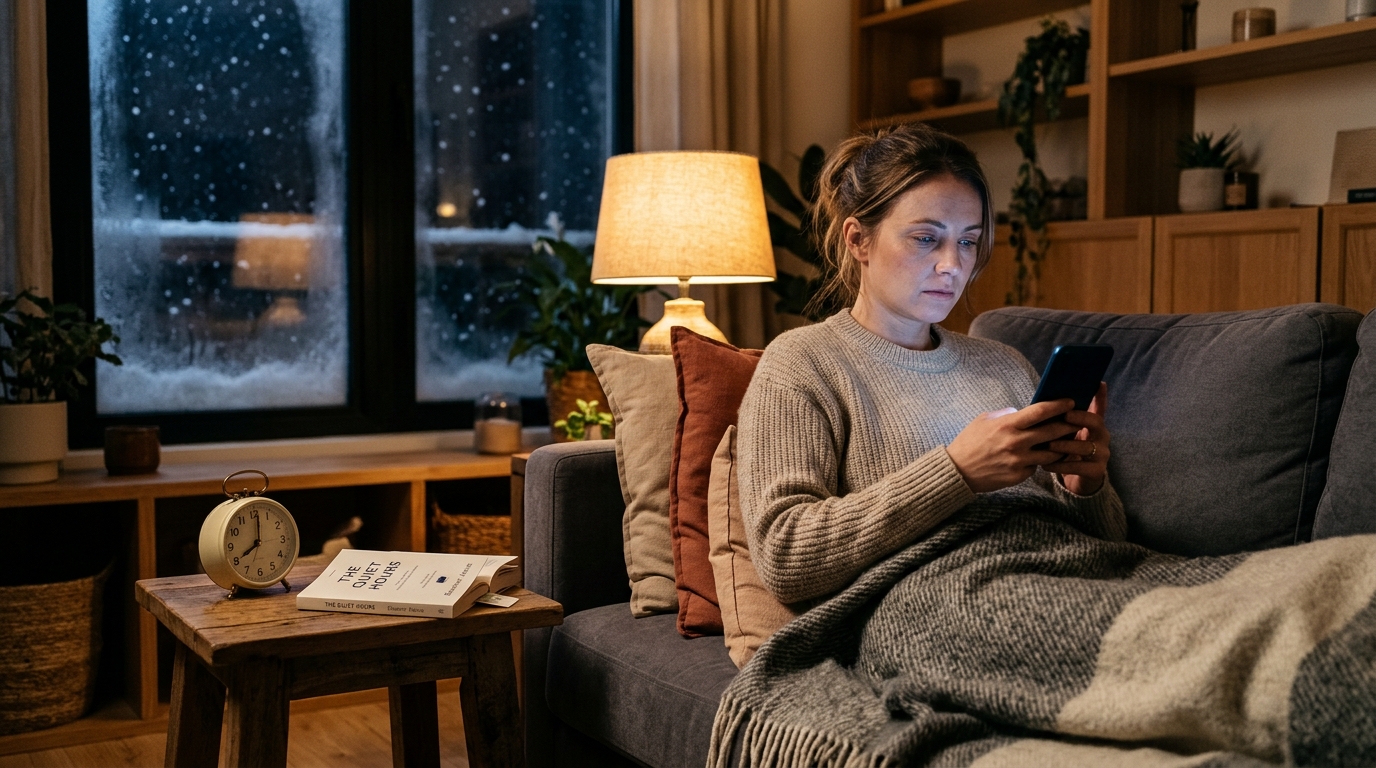
Long winter evenings often mean more time indoors and increased screen use. People spend hours watching television, scrolling social media, or working online. However, excessive screen exposure can leave the mind and body exhausted.
This condition is commonly called screen time fatigue. It can affect concentration, sleep quality, mood, and daily productivity. Fortunately, a few simple lifestyle changes can help reduce its effects.
What Is Screen Time Fatigue?
Spending long stretches looking at screens can leave you feeling mentally drained and physically tired. It often develops after spending extended periods using digital devices.
Smartphones, laptops, tablets, and televisions can all contribute. Moreover, constant notifications and digital information increase mental stimulation.
During winter, shorter daylight hours encourage more indoor activities. Consequently, people may spend even longer periods looking at screens.
Common Signs of Digital Screen Fatigue
Screen time fatigue can affect people differently. However, several symptoms appear frequently.
- Tired or uncomfortable eyes.
- Frequent headaches.
- Difficulty concentrating on tasks.
- Neck and shoulder discomfort.
- Increased irritability.
- Trouble falling asleep.
- Mental exhaustion after browsing.
- Reduced motivation for everyday activities.
These symptoms can indicate excessive screen exposure. Persistent or severe discomfort may require professional medical advice.
Why Screen Time Fatigue Gets Worse During Winter
Winter creates several conditions that encourage excessive screen use. Understanding these factors makes prevention easier.
1. Longer Indoor Evenings
Cold temperatures and shorter days limit outdoor activities. Therefore, people often turn to digital entertainment.
2. Reduced Natural Daylight
Limited daylight can disrupt everyday routines. Additionally, spending less time outdoors reduces opportunities for natural light exposure.
3. Increased Streaming and Social Media
People frequently watch movies, browse social platforms, and play games. These activities can extend screen exposure without noticeable breaks.
4. Disrupted Sleep Schedules
Late-night device use can interfere with healthy sleep routines. Bright screens and stimulating content may make relaxation more difficult.
9 Effective Ways to Reduce Screen Time Fatigue
Reducing digital fatigue does not require abandoning technology. Instead, develop healthier habits that balance screen use and offline activities.
1. Follow the 20-20-20 Rule
Give your eyes regular breaks during screen activities. Every 20 minutes, look at something 20 feet away. Continue looking for approximately 20 seconds.
This simple habit encourages regular changes in visual focus. Consequently, it may reduce eye discomfort.
2. Create a Winter Evening Screen Schedule
Set specific periods for entertainment, work, and relaxation. Avoid switching between multiple devices unnecessarily.
For example, watch one episode instead of scrolling endlessly. Then, spend some time reading or enjoying another offline activity.
3. Adjust Screen Brightness
Extremely bright or dim displays can cause visual discomfort. Match your screen brightness with the surrounding lighting.
Additionally, increase text size when reading becomes difficult. Use comfortable display settings throughout the evening.
4. Reduce Blue Light Exposure Before Bedtime
Strong light at night may interfere with the body’s natural cues for winding down and sleeping. Therefore, reduce screen brightness before bedtime.
Night mode and warmer display settings may improve evening comfort. However, these features do not eliminate every effect of prolonged screen use.
5. Take Regular Movement Breaks
Sitting for extended periods can increase physical discomfort. Stand up, stretch, and walk around regularly.
A brief break to stretch or move around can help you feel refreshed. Moreover, gentle stretching helps reduce neck and shoulder stiffness.
6. Replace Some Screen Activities With Offline Hobbies
Winter evenings provide excellent opportunities for relaxing hobbies.
Consider these enjoyable alternatives:
- Reading a printed book.
- Cooking a new recipe.
- Playing board games.
- Writing in a journal.
- Organizing your living space.
- Practicing a musical instrument.
These activities provide entertainment without requiring additional screen exposure.
7. Keep Your Bedroom Screen-Free
Avoid using smartphones immediately before sleeping. Instead, charge your phone away from your bed.
You can also use a traditional alarm clock. This small adjustment reduces unnecessary nighttime browsing.
8. Improve Your Indoor Lighting
Poor lighting can make screen activities uncomfortable. Use suitable room lighting during evening activities.
Avoid watching bright displays in completely dark rooms. Additionally, position lamps to minimize distracting reflections.
9. Spend Time Outdoors During Daylight
Even during winter, outdoor time can support healthier daily routines. Take a short walk whenever weather conditions allow.
Natural daylight also helps maintain your body’s internal clock. Furthermore, outdoor movement provides a refreshing break from digital activities.
How to Build a Healthy Winter Evening Routine
A consistent evening routine makes screen management easier. Make gradual adjustments rather than trying to overhaul your routine all at once.
Consider following this simple schedule:
- 6:00 PM: Finish work and take a short walk.
- 7:00 PM: Prepare dinner without unnecessary phone use.
- 8:00 PM: Enjoy limited television or online entertainment.
- 8:45 PM: Take a break and choose an offline activity.
- 9:30 PM: Reduce screen brightness and notifications.
- 10:00 PM: Read, relax, and prepare for sleep.
Adjust these times according to your personal schedule. Consistency matters more than following an exact timetable.
Final Thoughts on Reducing Screen Time Fatigue
Screen time fatigue can make long winter evenings less enjoyable. However, healthier digital habits can reduce unnecessary screen exposure.
Start with regular eye breaks and shorter entertainment sessions. Additionally, include outdoor activities and relaxing offline hobbies.
Most importantly, create an evening routine that supports better rest. Small improvements can make winter evenings more comfortable and productive.
Frequently Asked Questions
1. What causes screen time fatigue?
Extended screen exposure, limited breaks, poor lighting, and constant digital stimulation can contribute to screen time fatigue.
2. Can screen time fatigue affect sleep?
Yes. Evening screen use, especially before bedtime, can interfere with sleep routines and make relaxation more difficult.
3. How can I reduce eye strain during winter?
Follow the 20-20-20 rule, adjust display brightness, improve room lighting, and take regular breaks.
4. Is watching television better than using a smartphone?
Neither device is automatically better for your eyes. Viewing distance, screen size, brightness, and viewing duration all matter.
5. What’s a reasonable amount of screen time on winter evenings?
There is no universal limit for every adult. Focus on balancing necessary screen activities with movement, offline hobbies, and sufficient sleep.