

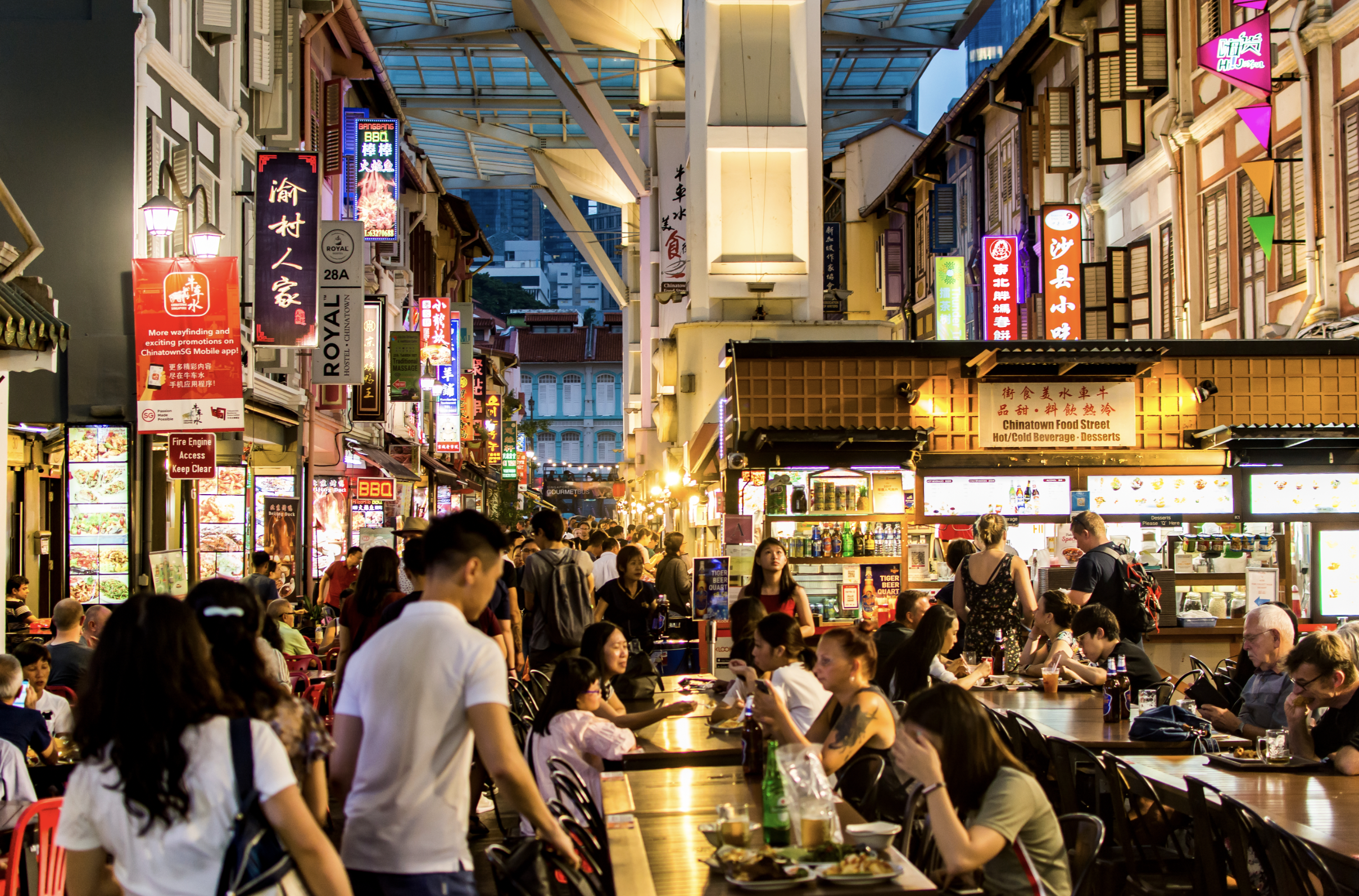
A Fresh Look at Tradition in a Modern, Green Singapore
Singapore’s hawker centres pulse with life every single day. Locals gather, tourists explore, and cultures blend over simple meals. However, something deeper drives this experience. Cleanliness, discipline, and sustainability shape every interaction.
This iconic food culture does not survive on taste alone. It thrives because systems work silently behind the scenes. Waste is managed carefully. Hygiene rules stay strict. Meanwhile, sustainability continues to evolve with modern demands.
As expectations rise, businesses must adapt quickly. Therefore, responsible sourcing and eco-friendly packaging now play a critical role. This shift ensures hawker culture remains relevant, clean, and future-ready.
Why Cleanliness Defines Singapore’s Food Identity
Singapore sets global standards for public hygiene. The country does not compromise on cleanliness. Instead, it enforces strict systems that guide both vendors and consumers.
Food stalls follow structured hygiene grading systems. Waste disposal processes remain organized and efficient. At the same time, tray return policies encourage shared responsibility among diners.
Because of this, cleanliness becomes a collective effort. Everyone contributes to maintaining standards. Vendors stay accountable, while customers follow simple practices daily.
As a result, hawker centres remain welcoming and safe. This consistency strengthens trust and protects the reputation of Singapore’s food culture.
The Growing Need for Sustainable Food Packaging
Urban lifestyles move fast. People rely heavily on takeaway meals. Although reusable options are increasing, single-use packaging still dominates daily consumption.
This reality creates a challenge. Packaging must remain functional, yet environmentally responsible. Therefore, businesses now prioritize materials that balance convenience with sustainability.
Paper-based solutions offer a practical answer. They minimize harm to the environment without compromising on performance. Additionally, they support renewable sourcing when managed responsibly.
This shift reflects a broader change. In the modern marketplace, consumers hold an expectation that brands demonstrate social and ethical responsibility. Businesses that adapt quickly gain both trust and long-term value.
How APP Group Supports Sustainable Dining Solutions
APP Group plays a key role in supporting modern food service needs. The company focuses on paper-based packaging designed for everyday use. These solutions meet hygiene standards while aligning with sustainability goals.
Foopak stands out as a specialized product line. It serves food contact needs such as cups, wraps, and containers. Moreover, it delivers strong grease resistance and durability. This ensures reliable performance in busy food environments.
At the same time, Enza provides high-quality paperboard for broader packaging needs. It supports premium applications while maintaining responsible sourcing practices.
Together, these solutions create a balanced approach. They combine safety, efficiency, and environmental awareness. Businesses can operate smoothly without compromising sustainability.
Responsible Sourcing as a Core Strategy
Sustainability begins at the source. APP Group focuses on traceable and responsible fiber sourcing. This approach ensures transparency across the entire value chain.
By maintaining clear sourcing practices, the company supports long-term environmental goals. Additionally, it helps businesses meet evolving regulations and expectations.
This strategy benefits everyone involved. Vendors gain reliable materials. Consumers enjoy safer packaging. Meanwhile, ecosystems receive better protection.
Therefore, responsible sourcing becomes more than a policy. It establishes the groundwork for environmentally and economically sustainable growth.
Regenesis: A Long-Term Vision for Sustainability
APP Group drives its sustainability efforts through Regenesis. This platform connects environmental care with business operations. It focuses on three main areas that shape long-term impact.
First, forests remain a top priority. The initiative supports conservation and restoration efforts. These actions protect biodiversity and strengthen climate resilience.
Second, people stay at the center of progress. Community well-being and responsible practices receive continuous attention. This ensures that sustainability benefits society as a whole.
Third, the value chain promotes transparency and collaboration. Partners work together to achieve shared sustainability goals. This creates stronger and more accountable systems.
Through these pillars, Regenesis builds a sustainable future. It connects natural resources with everyday products in a responsible way.
Connecting Sustainability to Everyday Food Experiences
Most people do not think about packaging during meals. However, it plays a vital role in maintaining cleanliness and efficiency. Sustainable materials improve this experience without disrupting convenience.
In hawker centres, this connection becomes even more important. High foot traffic demands reliable solutions. At the same time, environmental impact must remain controlled.
Paper based packaging supports both needs. It performs well under pressure while reducing long-term harm. Therefore, it fits naturally into Singapore’s evolving food ecosystem.
This integration shows how small choices create large impacts. Even simple packaging decisions contribute to national sustainability goals.
Preserving Culture Through Smart Innovation
Hawker culture continues to evolve with time. Modern systems enhance efficiency without losing authenticity. Digital payments simplify transactions. Structured waste systems improve cleanliness.
Sustainability now joins this transformation. It ensures that tradition adapts without fading away.
APP Group contributes to this evolution through responsible solutions. Its products support daily operations while aligning with environmental goals. This balance keeps hawker centres both functional and future-ready.
Preserving culture requires continuous effort. Innovation must support tradition, not replace it. This approach ensures long-term success.
A Shared Responsibility for a Cleaner Future
Sustainability does not depend on one group alone. It requires collaboration between multiple stakeholders. Governments set regulations. Businesses provide solutions. Communities follow responsible practices.
This shared effort strengthens results. Each participant plays a role in maintaining standards. Together, they create a system that works efficiently.
Singapore’s success proves this model works. Cleanliness and sustainability remain deeply connected. Therefore, maintaining both becomes a collective mission.
The Future of Hawker Culture and Sustainability
Looking ahead, sustainability will shape every aspect of food service. Packaging will continue to evolve. Materials are expected to become more advanced and efficient.
At the same time, consumer awareness will grow. People will expect greater transparency and responsibility. Businesses should work to stay one step ahead of these demands.
APP Group’s initiatives position it well for the future. Its focus on innovation and sustainability creates long-term value. This ensures continued support for Singapore’s iconic food culture.
Ultimately, the goal remains simple. Preserve tradition while protecting the environment. This balance defines the future of hawker culture.
Frequently Asked Questions (FAQs)
What makes Singapore’s hawker culture unique?
Singapore’s hawker culture blends diverse cuisines, strong community ties, and strict cleanliness standards. It reflects daily life and national identity.
Why is sustainable packaging important in hawker centres?
Sustainable packaging reduces environmental impact while maintaining hygiene. It supports long-term cleanliness and aligns with modern expectations.
What is Foopak used for?
Foopak is designed for food contact applications. It is commonly used for cups, wraps, and takeaway containers.
How does APP Group ensure responsible sourcing?
The company focuses on traceability and sustainable fiber sourcing. This ensures transparency and environmental protection across its supply chain.
What is Regenesis?
Regenesis is APP Group’s sustainability platform. It focuses on forests, people, and value chain improvements.
Can sustainability and convenience work together?
Yes, modern materials balance both needs. Paper based solutions offer convenience while reducing environmental harm.
How do consumers contribute to sustainability in hawker centres?
Consumers play a role by returning trays, reducing waste, and choosing responsible options when possible.
What is the future of sustainable food packaging?
The future includes smarter materials, better recycling systems, and increased transparency. Sustainability will become a standard expectation.