

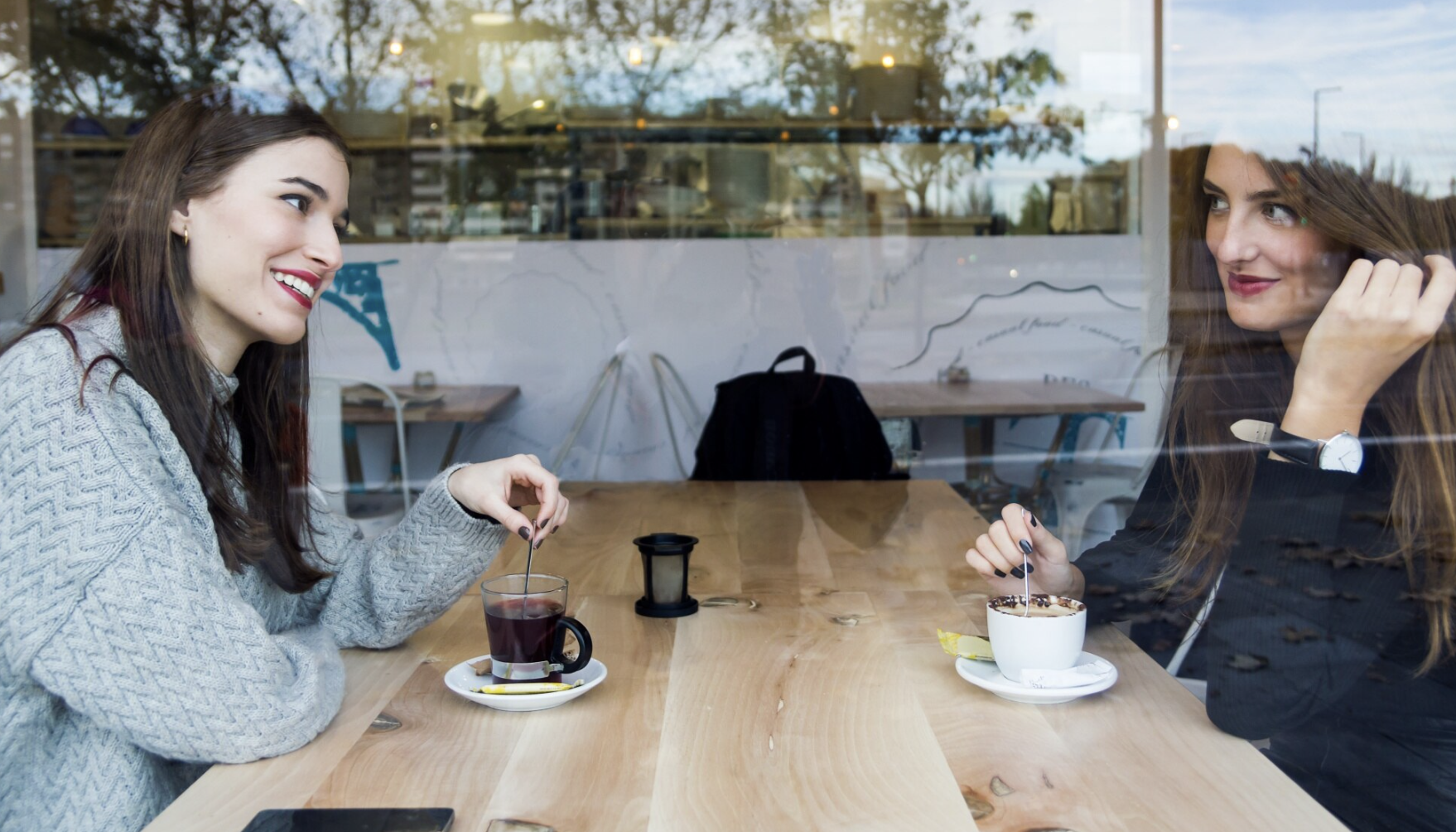
The Modern Cafe Paradox: Speed Without Sacrificing Soul
Walk into any successful cafe in a busy city right now. You’ll likely see freelancers typing away at laptops alongside professionals grabbing morning espressos to go. The air hums with quiet productivity, not frantic chaos. This isn’t accidental. The cafes thriving today have solved a seemingly impossible equation: how to serve people quickly while giving them space to linger.
Life moves fast. We juggle work, family, and endless notifications. Yet humans still crave pockets of calm, a chance to breathe, think, or simply be. The smartest cafes recognize this duality. They’ve moved beyond the old choice between fast food (soulless speed) and fine dining (slow luxury). Instead, they’ve built spaces where efficiency and ease coexist not as competitors, but as partners.
Think of it like a well-designed transit system: trains run frequently, so you never wait long, but stations offer benches, sheltered waiting areas, and clean restrooms so your time between rides feels respected, not wasted. Modern cafés apply this same philosophy to hospitality.
What “Fast Yet Relaxed” Really Means in Practice
This isn’t about cutting corners on quality to save seconds. It’s about intelligent design, where every element serves both goals. Let’s break down how top cafés make it work:
Time-Friendly Service That Feels Comfortable and Never Rushed
- Smart prep work: Popular items like breakfast sandwiches or cold brew are partially prepared ahead but finished fresh to order. You get speed without sacrificing that “just made” taste.
- Intuitive ordering: Clear menu boards, mobile apps for regulars, and staff who actively greet you in line (not just wait behind the counter) shave minutes off waits while making you feel seen.
- Flow-conscious layout: Registers, pickup counters, and seating areas are arranged so you never bottleneck behind someone deciding what to order. Baristas aren’t shouting over blenders to hear you; they work in zones designed for clarity.
One cafe owner in Portland told me, “We stopped measuring success by how fast we could move people through the door. Now we track how many guests say, ‘I didn’t feel rushed even though I was in a hurry. That’s the real win.”
Spaces That Invite You to Stay (Without Feeling Like You’re Loitering)
- Zoned seating: Communal tables for groups or coworking, quiet nooks with outlets for solo work, and cushy lounges for reading, all clearly marked so you know where you belong.
- Sensory balance: Lighting shifts from bright and energizing near the counter to warm and dimmer in seating areas. Sound is managed with soft materials and layout so the espresso machine noise doesn’t shatter concentration.
- Thoughtful details: Not just free Wi-Fi, but easily accessible outlets at table height. Not just trash bins, but clearly marked recycling and composting spots that don’t clutter the aesthetic.
A regular at a Brooklyn cafe shared: “I come here to write because it feels like my living room but with better coffee and no dirty dishes to wash afterward. The staff know my order, but they don’t hover. It’s the perfect blend of welcome and privacy.”
Why This Balance Isn’t Just Nice, It’s Business Critical
Cafes that nail this duality see measurable benefits that go beyond good vibes:
They Attract the Right Kind of Loyalty
- The “third place” effect: When your cafe feels like a natural extension of home or work (not just a pit stop), customers choose it repeatedly, not just for convenience, but for how it makes them feel.
- Higher dwell time = higher spend: Guests who stay 45 minutes often order that second drink or pastry. Those who feel rushed leave after one item and rarely return.
- Organic word of mouth: People don’t rave about places that merely fill their stomachs quickly. They tell friends about the spot where they “finally felt able to relax during my lunch break.”
They Weather Trends Better
- Pandemic proof: Cafes with strong outdoor seating and takeout workflows survived lockdowns better, but those that also maintained indoor warmth and connection rebounded faster as restrictions lifted.
- Shift resilient: Whether it’s a surge in remote work or a return to offices, spaces designed for both quick stops and lingering visits adapt without major redesigns.
- Staff retention: Baristas prefer working in calm, organized environments where they can connect with customers, not just scream orders over noise. Lower turnover means more consistent service.
The Hidden Mechanics: How Top Cafes Make It Look Effortless
What guests experience as seamless ease comes from deliberate behind-the-scenes work:
Design That Does Double Duty
- Material choices: Polished concrete floors are durable and easy to clean (for speed), but paired with warm wood accents and textiles (for comfort). No cold, Cleanliness here.
- Acoustic engineering: Ceiling baffles, fabric wall panels, and strategic plant placement absorb noise so conversations stay private without requiring shouting.
- Lighting layers: Task lighting over workspaces (for clarity), ambient lighting over seating (for mood), and accent lighting on displays (for appeal), all on separate controls for easy adjustment.
Service Systems That Prevent Friction
- Prep station organization: Everything a barista needs for a latte, milk pitcher, tamper, and cloth lives within arm’s reach in the same order every time. No hunting = fewer errors and faster service.
- Order clarity protocols: Drinks are called out with modifiers first (“Large oat milk latte, extra hot”) to minimize remakes. Names are written clearly on cups, no guessing “Is this Mark or Mike?”
- Staff positioning: One person handles orders/payments, another focuses solely on drink preparation, and a third manages food assembly and cleanup. Clear roles mean no stepping on toes or leaving guests waiting.
Technology That Serves People (Not the Other Way Around)
- Mobile ordering done right: Apps let regulars skip the line, but staff still greet them by name at pickup, maintaining that human touch.
- Kitchen display systems: Orders appear clearly on screens, no lost tickets or misheard calls over noise. But screens are placed so staff aren’t staring at them instead of engaging with guests.
- Inventory alerts: Systems warn when oat milk is running low, but managers still do visual checks to catch issues like spoiled produce before it affects service.
Real Cafes Getting It Right (With Lessons You Can Use)
Let’s look at spots that exemplify this balance and what makes their approach copyable:
The Neighborhood Hub That Feels Like Home
Example: A cafe in Austin converted a 1920s bungalow. Inside: mismatched vintage armchairs create intimate nooks, a long communal table runs down the center for laptop workers; the counter wraps around a fireplace (non-functional but cozy).
How they balance it:
- Speed: Dedicated “to go” window for regulars who just want drip coffee, espresso bar separate from food prep to avoid cross traffic.
- Relaxation: No loud music, just a low-volume jazz playlist. Staff learn names quickly but don’t over-familiarize. Plenty of outlets, but not so many that tables look like charging stations.
Takeaway: Zoning creates natural flow without walls. Different areas serve different needs while feeling part of one whole.
The Urban Commuter Lifeline
Example: A cafe steps from a major transit terminal in Chicago. Space is tight, just 800 square feet, but every inch pulls double duty.
How they balance it:
- Speed: Two-point service: left side for coffee only orders (ready in <90 seconds), right side for food + drinks. Mobile order pickup shelf labeled by first name initial.
- Relaxation: Back wall features a living moss installation (sound-dampening and calming). Seating includes a mix of stools at the counter, two top tables, and a single curved bench for reading. Lighting is warm and dimmable, brighter at 7 AM, softer by 3 PM.
Takeaway: In small spaces, vertical thinking and material choices (like textured walls or greenery) create psychological spaciousness without expanding footprint.
The Creative Studio Cafe
Example: A hybrid space in Denver that’s part cafe, part workshop area for local artists.
How they balance it:
- Speed: Simple menu focused on high-quality basics, no 20-item list to slow decisions. Batch-brewed pour-over coffee available all day, espresso drinks made to order.
- Relaxation: Half the space is retractable tables and stools for art classes (held after cafe hours). During business hours, it becomes flexible seating easily reconfigured for groups or solitude. Walls display rotating local art (changed monthly by staff vote).
Takeaway: Multi-use spaces work when transitions are clear and predictable. Staff know exactly how to reset the area between modes.
Your Guide to Spotting (or Building) a Cafe That Gets It
Whether you’re a customer seeking your new favorite spot or an owner refining your space, here’s what to truly notice:
As a Guest: Trust Your Gut (Not Just the Menu)
- Do you feel able to breathe deeply within 30 seconds of entering? (If the air feels tense or chaotic, skip it no matter how good the coffee looks.)
- Can you find a seat that matches your needs without circling twice? (True balance means options are obvious, not a scavenger hunt.)
- Does the staff make eye contact and smile without seeming like they’re reciting a script? (Authentic warmth can’t be faked in the details.)
- After 20 minutes, do you feel more energized or more drained? (The best cafes leave you refreshed, not frazzled from noise or guilt about “taking up space.”)
As an Owner: Audit Your Space for Hidden Tension
- Watch where people naturally pause or hesitate: Is it the menu board? The pickup counter? The path to the bathroom? Those friction points are your improvement targets.
- Track actual dwell time vs. perceived speed: Use simple timestamps on mobile orders or loyalty app check-ins. If “quick service” guests are actually staying 25+ minutes, lean into comfort, not just faster service.
- Ask staff what they find stressful: Baristas often spot bottlenecks owners miss, like the milk fridge being too far from the espresso machine or dirty dishes piling up near the pastry case.
- Test one small change for two weeks: Try moving the trash/recycling station, adjusting lighting levels in one zone, or simplifying the menu board. Measure impact through observation, not just sales.
The Future: Where “Fast Yet Relaxed” Is Heading
This balance isn’t a trend; it’s becoming the new baseline for hospitality excellence. Watch for these evolutions:
Hyper Local, Human Centric Sourcing
- Cafes aren’t just advertising “locally roasted beans,” yours might highlight the specific urban farm growing their microgreens or the neighborhood bakery supplying their pastries. This builds community ties that make slowing down feel meaningful.
Adaptive Spaces That Breathe With the Day
- Imagine lighting that automatically shifts from energizing (cool blue tones) at 8 AM to calming (warm amber) at 3 PM based on circadian science. Or modular seating that reconfigures itself via subtle floor mechanisms for lunch crowds vs. evening date nights, all controlled by staff via a simple tablet.
Technology That Disappears Into Hospitality
- The next wave won’t be more screens, it’ll be tech that enhances human connection:
- Smart tables that wirelessly charge devices only when you order a refill (encouraging interaction)
- Voice-activated systems for staff to check inventory without looking away from guests
- AI that predicts rushes based on local events but suggests staff break times to prevent burnout, not just optimize labor
Final Thought: The Real Luxury Isn’t in the Cup, It’s in the Feeling
We don’t remember cafes for how fast they made our latte. We remember the one where we finally felt able to finish that difficult email without checking our watch every two minutes. The spot where the barista remembered we prefer oat milk and asked how our job interview went. The corner where sunlight hit the table just right at 4:15 PM, turning work into something that felt almost like pleasure.
That’s the quiet magic of the modern cafe done right: it doesn’t just serve coffee. It protects tiny pockets of humanity in a world that rarely slows down for us. And in an age of endless scrolling and back-to-back Zooms, that isn’t just nice, it’s necessary.
The cafes that understand this aren’t competing on speed alone or ambiance alone. They’re building something rarer: a place where time feels like it’s on your side, not something to beat, but to share.