


Electric guitars transformed modern music genres with their unparalleled power and expressive intensity. They introduced amplified tone and bold presence. As a result, stages grew louder and audiences grew larger. Musicians gained expressive control beyond acoustic limits. Consequently, songwriting evolved with sharper riffs and deeper sustain.
This instrument did more than add volume. It redefined texture and rhythm across styles. Furthermore, producers embraced distortion and feedback as creative tools. Therefore, contemporary hits still carry its unmistakable imprint.
Fender Custom and the Birth of Sonic Identity
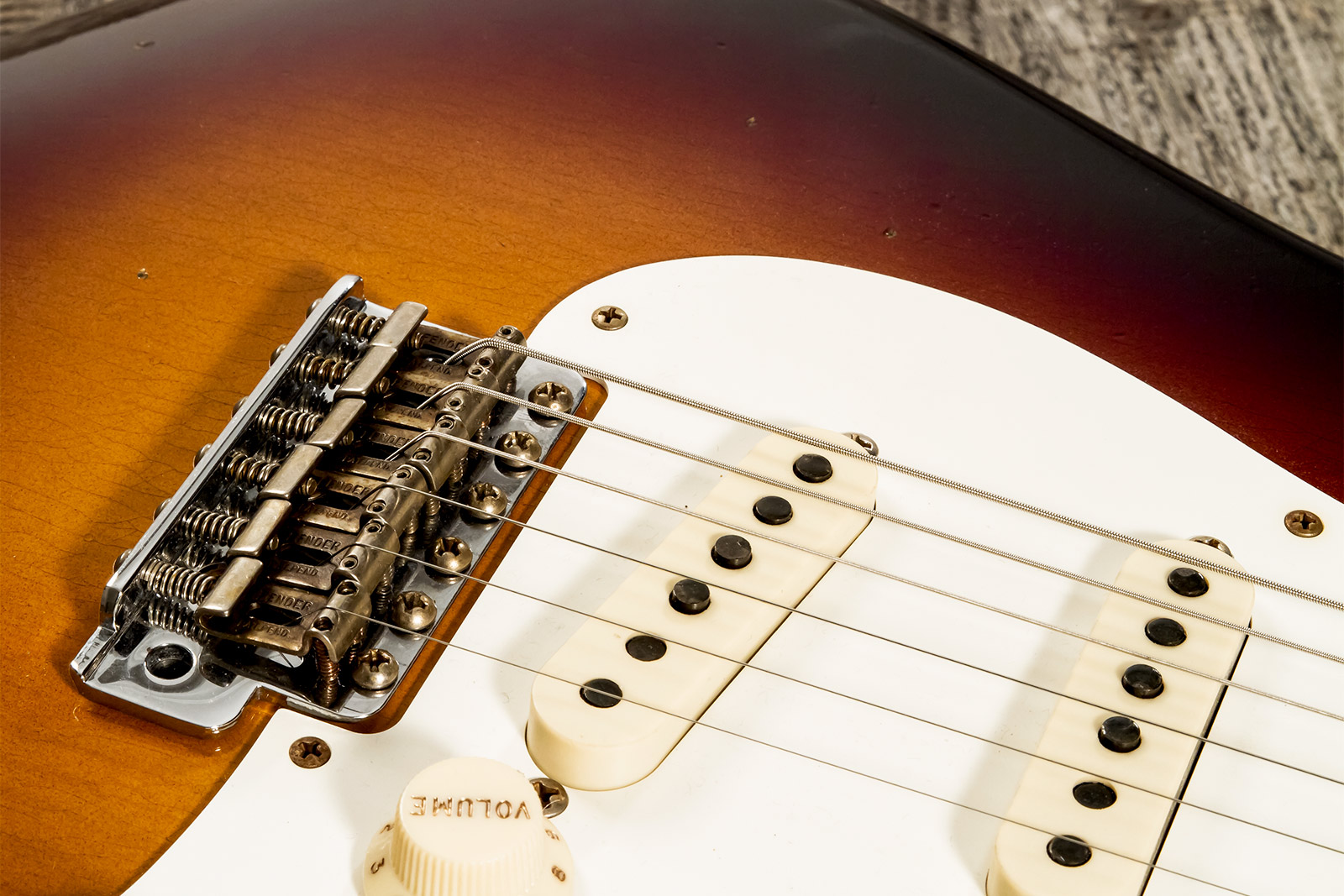
The legacy of Fender changed the industry forever. When Leo Fender launched solid body models, music shifted direction. The Fender Custom Shop Stratocaster became a benchmark for tone.
Its design offered remarkable sustain and clarity. Pickups captured subtle dynamics with precision. Moreover, artists discovered endless tonal variations through simple adjustments. Thus, creativity expanded without limits.
Players could shape bright leads or warm rhythms instantly. Consequently, studios demanded this reliability. The instrument became both tool and icon.
Rock and Roll Ignites a Cultural Shift
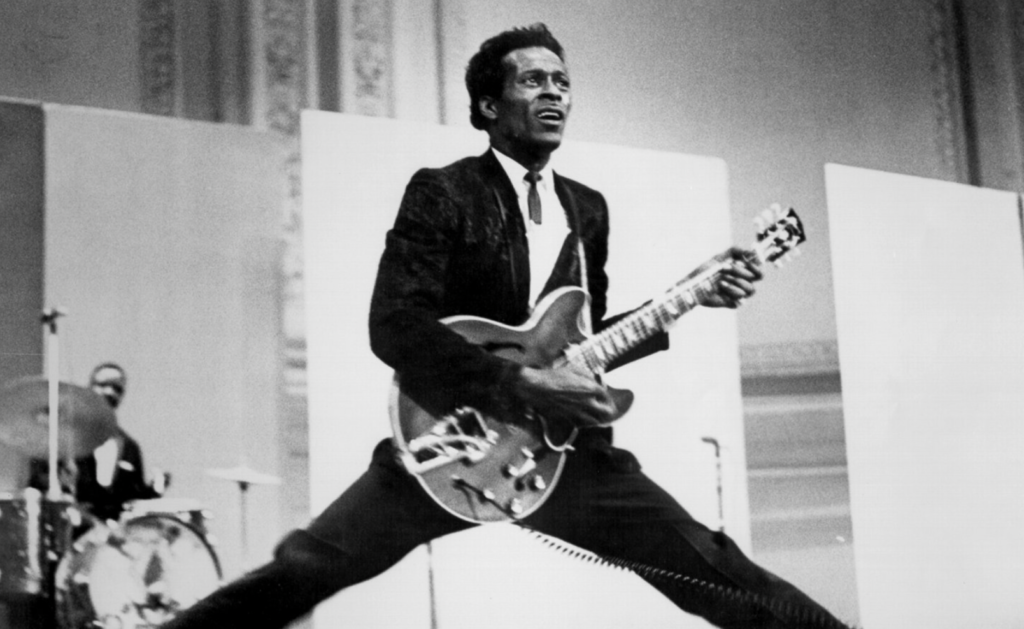
Rock exploded once amplification met rebellion. Chuck Berry turned sharp riffs into youthful anthems. Meanwhile, Elvis Presley electrified stages with raw charisma. At the same time, Little Richard delivered unmatched energy.
Distorted chords carried defiance across airwaves. Therefore, teenagers found their voice through sound. Loud performances filled arenas with shared emotion. As a result, this genre dominated charts worldwide.
Electric guitars did not support rock. They defined it entirely.
Blues Evolves with Amplified Emotion

Blues traditions transformed once plugged into amplifiers. B.B. King shaped expressive phrasing with singing sustain. Likewise, Muddy Waters carried Delta roots into urban clubs.
String bends gained dramatic tension. Sustained notes floated above crowded rooms. In addition, feedback became part of artistic dialogue. Consequently, emotional storytelling reached deeper intensity.
Amplification did not erase heritage. Instead, it magnified feeling and presence.
Jazz Adopts a Refined Electric Voice

Jazz innovators embraced modern tone with curiosity. Charlie Christian proved the instrument could swing with sophistication. Later, Wes Montgomery refined melodic phrasing beautifully. Furthermore, Pat Metheny expanded ambient textures.
Hollow body models delivered warmth and balance. Therefore, solos matched horns in clarity. Clean amplification enhanced nuance without overpowering ensembles.
This shift broadened harmonic exploration. As a result, jazz entered new experimental territory.
Heavy Metal Amplifies Power and Precision

Heavy metal elevated intensity beyond expectation. Black Sabbath forged dark, weighty riffs. Later, Metallica introduced rapid precision and complex structures.
High gain distortion shaped aggressive identity. Fast solos demanded technical mastery. Additionally, massive amplifier stacks created overwhelming impact.
Volume became spectacle. Speed became discipline. Consequently, electric guitars stood at the center of sonic force.
Enduring Influence on Contemporary Sound
Electric guitars continue shaping modern music genres today. Producers blend digital tools with analog character. Meanwhile, artists experiment across pop, indie, and alternative scenes.
This instrument remains adaptable and powerful. It supports innovation while honoring tradition. Therefore, every new generation discovers fresh possibilities through amplified strings.
Electric guitars did not fade with time. Instead, they remain essential to modern expression.