

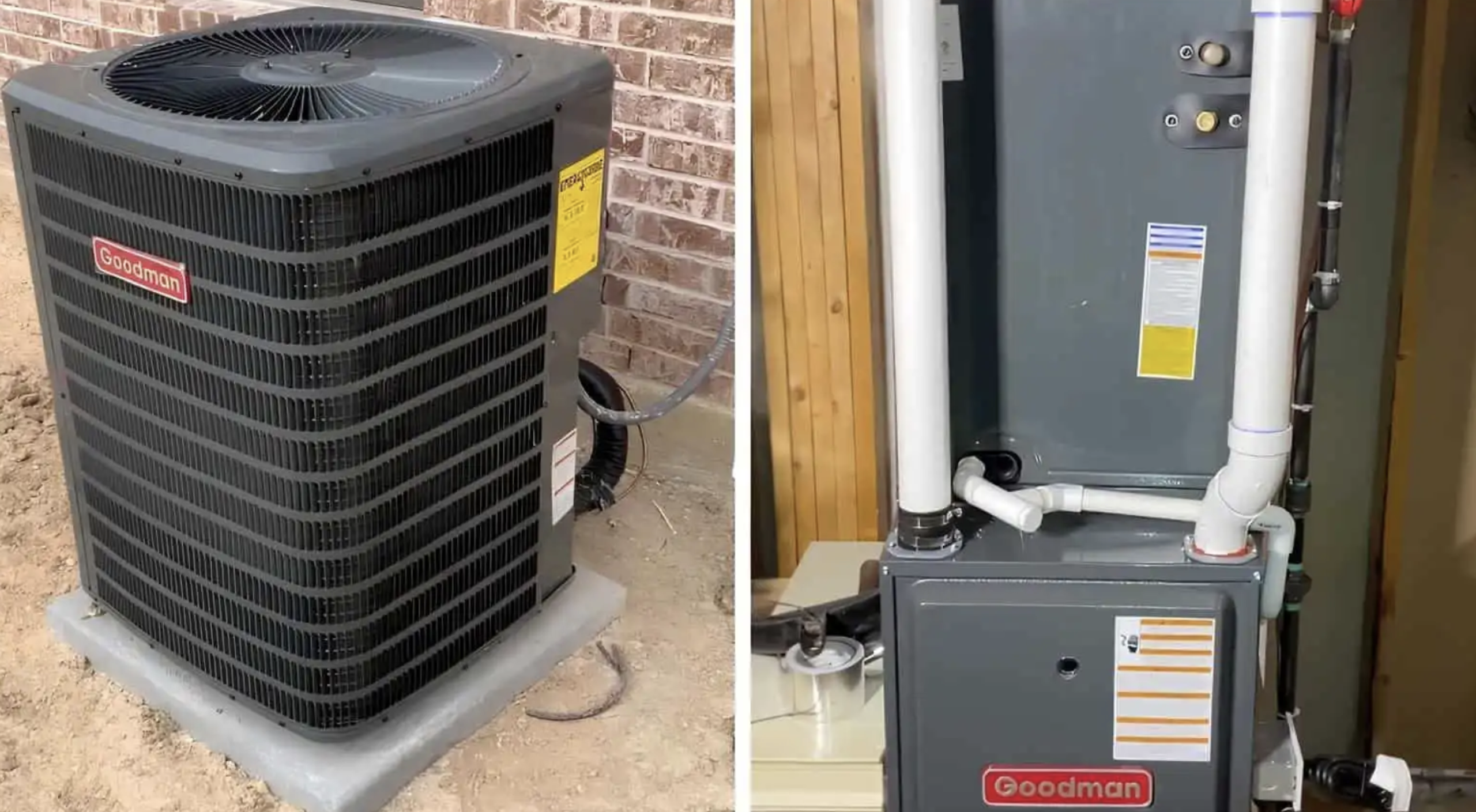
Sales of heat pumps have quietly overtaken sales of traditional gas furnaces in several major markets over the past few years, a shift that would have seemed unlikely a decade ago when the technology carried a reputation for struggling in cold climates and costing far more than conventional heating equipment.
That reputation has not fully caught up with the current state of the technology, where engineering advances, falling equipment costs, and a wave of government incentive programs have combined to make heat pumps a serious contender for homeowners replacing an aging furnace, and not just an option limited to mild climates where heating demand is modest to begin with.
Switching From Furnaces to Heat Pumps
At a very basic level, the appeal of a heat pump lies entirely in how it moves energy rather than generates it directly. A traditional gas furnace burns fuel directly to create heat, converting a portion of that fuel’s stored chemical energy directly into warmth for the home. A heat pump instead extracts existing heat already present in outdoor air, even cold outdoor air, and concentrates it indoors using a refrigeration cycle running in reverse, the same basic underlying principle that lets a refrigerator move heat out of its interior and release it into the surrounding kitchen air.
- Air-source heat pumps: the most common residential type available today, extracting heat from outdoor air and transferring it indoors, with modern cold-climate models engineered to remain effective even in sub-freezing temperatures.
- Ductless mini-split systems: a variation that delivers heating and cooling directly to individual rooms without requiring any existing ductwork, quite popular in homes being retrofitted from older heating systems.
- Ground-source or geothermal heat pumps: a less common but highly efficient option that exchanges heat with the stable temperature of the ground rather than variable outdoor air, at a notably higher installation cost.
- Hybrid or dual-fuel systems: pairing a heat pump with a backup furnace that activates automatically during the very coldest stretches of winter, balancing efficiency gains with reliable performance during the most extreme cold snaps.
Because a heat pump moves existing heat rather than generating new heat through combustion, it can deliver more energy as output than it consumes as electrical input, a characteristic measured by a coefficient of performance that typically runs well above the one-to-one ratio a furnace or electric resistance heater provides, explaining much of the efficiency argument driving current adoption trends.
This efficiency advantage holds across a wide range of operating conditions, though it does narrow somewhat as outdoor temperatures drop, since a heat pump works harder to extract usable heat from colder air than from mild air, requiring more electrical input per unit of heat delivered during the coldest stretches of winter.
Manufacturers publish performance curves showing exactly how a given model’s efficiency changes across a range of outdoor temperatures, data that has become an increasingly important part of how installers size and recommend systems for a specific home’s climate, since a system selected based only on mild-weather performance figures can disappoint a homeowner during the coldest weeks of the year if cold-weather performance was not properly accounted for during the selection process.
Cold-Climate Performance Improvements
The historical knock against heat pumps centered on their performance in truly cold climates, where older generations of the technology lost real efficiency and heating capacity as outdoor temperatures dropped toward and below freezing, sometimes requiring a backup heat source to maintain comfortable indoor temperatures during the coldest winter stretches.
Engineering improvements over roughly the past decade have substantially narrowed this gap. Variable-speed compressors, improved refrigerants, and enhanced defrost cycles have allowed newer cold-climate heat pump models to maintain strong, usable heating capacity at outdoor temperatures well below zero degrees Fahrenheit, a range that would have severely challenged earlier generations of the technology.
Independent testing organizations and several state energy offices have published cold-climate performance rankings specifically to help homeowners in colder regions identify which models have been validated for reliable performance in their specific climate, a resource that did not widely exist even a decade ago when cold-climate suitability was harder for the average homeowner to verify.
These testing and certification programs typically evaluate a model’s rated heating capacity and efficiency at several standardized outdoor temperature points, including deep sub-zero conditions that older testing protocols did not always consistently cover, giving contractors and homeowners a clearer, apples-to-apples way to compare competing models before committing to a purchase.
Some manufacturers have used strong results from these independent tests as a prominent marketing feature, a shift from the earlier era when cold-climate capability claims rested mainly on manufacturer-supplied specifications that were harder for an average homeowner to verify or compare fairly against a competing brand’s equipment.
This performance improvement has directly expanded the geographic markets where heat pumps make practical sense as a primary heating source rather than a supplemental one, with several traditionally furnace-dominant cold-climate regions now seeing real adoption growth as installers and homeowners gain confidence in the updated technology’s cold-weather reliability.
Costs, Rebates, and Payback Periods
The financial picture for heat pump adoption varies widely depending on the specific system chosen, the home’s existing infrastructure, and the incentive programs available in a given location, making a truly one-size-fits-all cost comparison difficult to offer with real confidence.
- Equipment and installation costs: a standard air-source heat pump installation often runs comparable to or somewhat above a similarly sized furnace and separate air conditioning system combined, while ductless mini-splits and geothermal systems carry their own distinct cost profiles.
- Federal and state tax credits: many governments have introduced tax credits covering a share of heat pump purchase and installation costs, often structured as a percentage up to a capped dollar amount, directly reducing the net price for qualifying homeowners.
- Utility rebate programs: electric utilities in many regions offer additional rebates for heat pump installation, sometimes layered on top of government tax credits, reflecting utility interest in electrification as part of broader grid and emissions planning.
- Operating cost comparisons: ongoing costs depend heavily on local electricity and gas prices, with heat pumps generally favoring regions with relatively cheap electricity and higher gas prices, while the reverse pricing relationship can favor keeping a gas furnace in some markets.
Payback period calculations, factoring in upfront incentives against ongoing operating cost differences compared with a gas furnace, vary enormously by region, often ranging from just a couple of years in markets with generous incentives and favorable electricity pricing to far longer timeframes in markets where gas remains comparatively cheap and incentive programs are limited or unavailable.
Financing options have also expanded alongside the growth in rebate programs, with some utilities and state green banks offering low-interest loans specifically designed for heat pump installation, structured so that monthly loan payments roughly offset or undercut the energy savings a household expects to see on its utility bill.
Contractors in competitive markets increasingly bundle financing options directly into their sales process, presenting homeowners with side-by-side comparisons of a traditional furnace replacement against a heat pump installation including all applicable rebates and financing terms, a level of upfront financial transparency that was less common in the heating equipment sales process just a few years earlier.
Installation Challenges in Older Homes
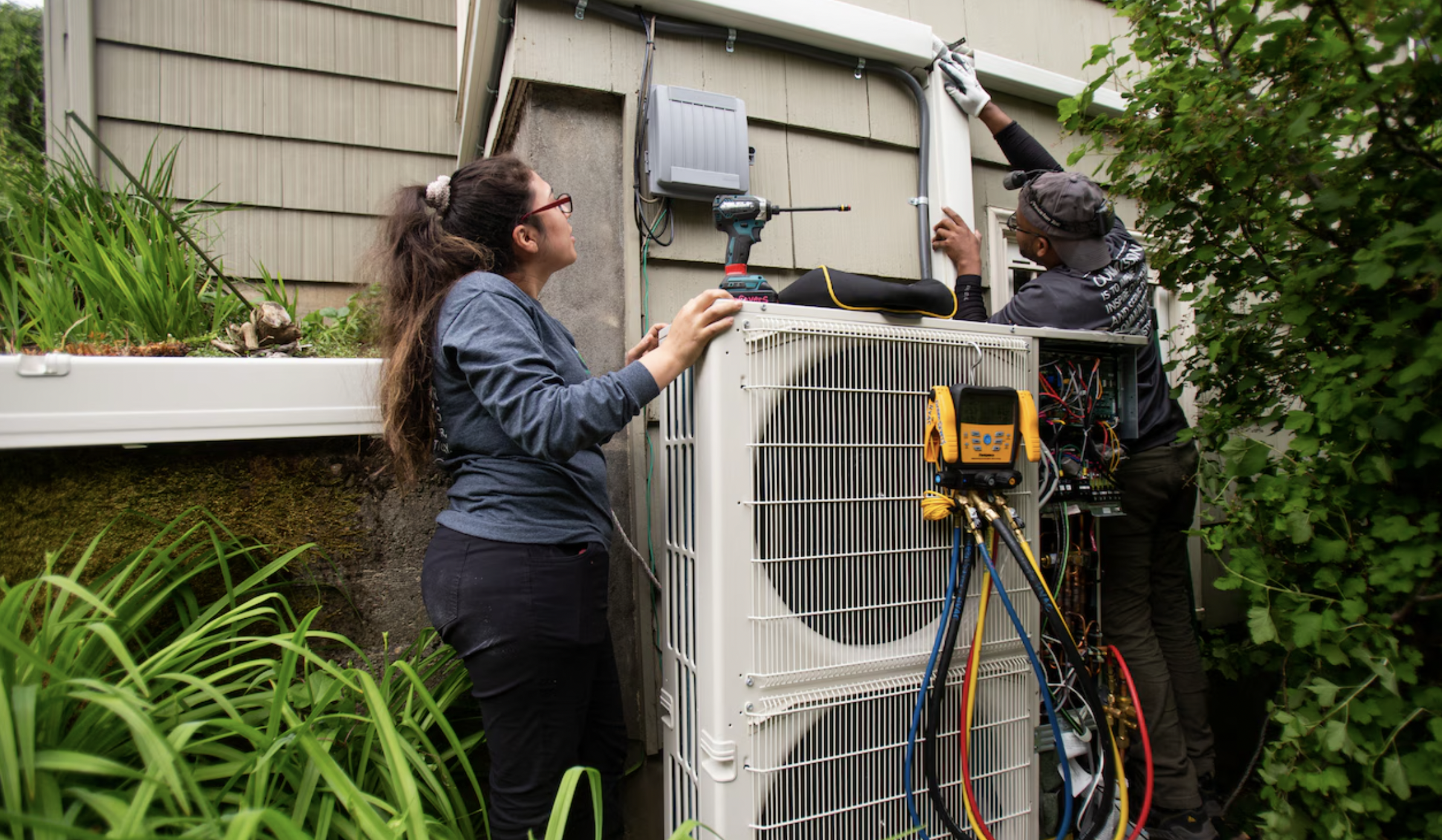
Retrofitting a heat pump into an older home built around a much different heating system presents a distinct set of real, practical challenges that installers and homeowners alike must work through before the equipment can function fully as intended.
- Ductwork compatibility issues: homes with ductwork originally sized for a gas furnace’s airflow characteristics sometimes require modifications to work efficiently with a heat pump’s different airflow profile, adding to installation complexity and cost.
- Electrical panel capacity: older homes with outdated electrical panels may lack sufficient capacity to support a heat pump’s electrical demand, especially for systems also handling supplemental electric resistance backup heat, sometimes necessitating a panel upgrade.
- Insulation and building envelope condition: poorly insulated homes place greater heating demand on any system, and some energy auditors recommend addressing insulation gaps before or alongside a heat pump installation to maximize the efficiency benefits of the switch.
- Space constraints for outdoor and indoor units: outdoor compressor units require adequate clearance and placement away from snow accumulation zones in cold climates, while indoor air handlers need accessible space that not every older home’s layout easily accommodates.
Experienced installers generally recommend a full home energy assessment before committing to a heat pump installation in an older property, since addressing underlying building envelope issues alongside the heating system swap often produces better overall comfort and efficiency outcomes than installing new equipment into an otherwise unaddressed, poorly insulated structure.
Some state and utility programs have recognized this interplay between insulation and heating system performance, bundling insulation upgrade rebates together with heat pump incentives to encourage homeowners to address both issues in a single coordinated project rather than treating them as entirely separate decisions made at different times.
Energy auditors working within these combined programs often produce a prioritized list of recommended upgrades, helping homeowners sequence work in an order that maximizes the eventual performance of a new heat pump system rather than installing expensive new equipment onto a building envelope still losing heat rapidly through unaddressed gaps, drafts, or inadequate attic and wall insulation.
Why Utilities Are Pushing Electrification
Electric utilities themselves have emerged as unexpectedly active participants in heat pump adoption efforts, often promoting the technology through rebate programs, educational campaigns, and sometimes direct financing options offered to residential customers considering the switch. This utility interest reflects several overlapping motivations beyond simple environmental messaging.
Grid planners view widespread heat pump adoption as part of a broader electrification trend that includes electric vehicles and other previously fossil-fuel-dependent equipment, and utilities benefit financially from increased electricity sales as more home heating load shifts from gas combustion to electric consumption.
Some utilities have also integrated heat pump programs into demand response initiatives, offering customers additional incentives to allow brief, managed adjustments to heat pump operation during peak grid stress periods, a mutually beneficial arrangement that helps utilities manage grid strain while still providing customers real bill savings in exchange for the flexibility.
Regulatory pressure has played a role as well, with several jurisdictions setting formal targets for reducing building sector emissions, pushing utilities to actively support the switch away from fossil fuel heating as part of compliance with these broader climate policy goals rather than leaving adoption entirely to individual homeowner initiative.
A few jurisdictions have gone further still, introducing building codes that require or strongly favor electric heating equipment in new residential construction, effectively phasing gas furnace installation out of the new-build market over time even without directly mandating replacement in existing homes.
These policies remain politically contested in some regions, with opponents raising concerns about construction costs, grid reliability during extreme weather events, and consumer choice, while supporters point to long-term emissions reduction and the efficiency gains heat pump technology now offers compared with the fossil fuel heating systems it is gradually displacing across the residential construction market. Utility motivations for backing the switch generally include:
- Increased electricity sales: Shifting heating load from gas combustion to electric consumption grows a utility’s core revenue base.
- Grid planning alignment: Heat pumps fit naturally into broader electrification strategies that already include electric vehicles and other equipment.
- Demand response opportunities: Managed adjustments during peak stress periods let utilities smooth grid load while paying customers for the flexibility.
- Regulatory compliance: Formal building-sector emissions targets in several jurisdictions push utilities to actively support the transition rather than wait for organic adoption.
Homeowner Satisfaction and Complaints
Surveys of homeowners who have switched from a furnace to a heat pump generally show strong overall satisfaction, though a notable minority report specific frustrations worth knowing about before making the switch.
Satisfied homeowners commonly cite the dual heating and cooling capability of most heat pump systems as a major advantage, since a single piece of equipment replaces what was previously a separate furnace and air conditioner, simplifying maintenance and often improving overall comfort through more consistent temperature control throughout the home.
Quieter operation compared with older furnace systems is another commonly cited benefit, especially for ductless mini-split installations that place quiet indoor units directly in living spaces. Common complaints center on a few recurring themes: homeowners in the coldest climates sometimes report the system working harder, and electricity bills rising more, than initially expected during extreme cold snaps, even with a cold-climate-rated unit installed. Some homeowners have also reported
installer inexperience as a source of frustration, noting that heat pump technology requires different sizing and setup expertise than a traditional furnace installation, and not every installer in a given market has caught up with best practices for the newer technology, occasionally resulting in underperforming systems that were simply sized or configured incorrectly during installation.
Industry trade groups have responded with expanded training and certification programs aimed at closing this experience gap, recognizing that installer quality has become one of the more decisive factors separating a satisfied heat pump customer from a frustrated one regardless of how capable the underlying equipment itself truly is.
Final Thoughts
Heat pump adoption has accelerated steadily as engineering improvements have addressed the technology’s historical weaknesses in cold climates, while government incentives and utility rebate programs have narrowed the financial gap with traditional furnace systems across most major markets.
The decision to switch still depends heavily on local climate, electricity and gas pricing, and the condition of the specific home receiving the new equipment, meaning no single answer applies universally across every household. Homeowners considering the switch are generally well served by seeking a qualified, experienced installer, verifying cold-climate performance credentials where relevant, and carefully weighing available incentives against realistic operating cost projections for their own specific region, climate, and home before signing any installation contract.
Frequently Asked Questions
Can a heat pump fully replace a furnace in a very cold climate?
Modern cold-climate heat pump models can serve as the primary heat source in most climates, though some homeowners in the coldest regions choose a hybrid dual-fuel setup that retains a backup furnace for the most extreme temperature events, balancing efficiency gains against guaranteed heating reliability during rare severe cold snaps.
How long does a heat pump typically last compared with a furnace?
Heat pumps generally have a somewhat shorter expected lifespan than a gas furnace, often in the range of fifteen to twenty years compared with twenty to twenty-five years for a well-maintained furnace, though actual lifespan depends heavily on usage intensity, climate, and maintenance quality over the years of operation, with regular filter changes and professional tune-ups generally extending service life well beyond that of neglected systems.
Do heat pumps work well for both heating and cooling?
Yes, this dual functionality is one of the technology’s core advantages, since the same refrigeration cycle that extracts outdoor heat for winter heating can run in reverse during summer to provide efficient air conditioning, eliminating the need for separate heating and cooling systems in most residential installations across a range of home sizes.
Will my electricity bill rise a lot after switching to a heat pump?
This depends heavily on local electricity and gas prices, home insulation quality, and climate severity, with some homeowners seeing lower overall energy bills due to the system’s efficiency while others in regions with expensive electricity relative to gas may see a more mixed financial outcome depending on usage patterns.
Are there specific brands or models recommended for cold climates?
Several independent testing organizations and state energy offices publish cold-climate performance rankings identifying specific models validated for reliable operation in sub-freezing temperatures, and homeowners in colder regions are generally advised to consult these resources rather than relying solely on general marketing claims from manufacturers before making a final purchase decision.
Is professional installation always required, or can a homeowner install a heat pump themselves?
Professional installation is strongly recommended and often required for warranty validity, since proper sizing, refrigerant handling, and electrical work demand licensed expertise, and incorrect installation is one of the most commonly cited reasons for underperforming systems and dissatisfied homeowners after a switch. Rebate and tax credit eligibility in many programs also depends on using a certified, licensed installer, adding another practical reason to avoid attempting the work without proper qualifications.