

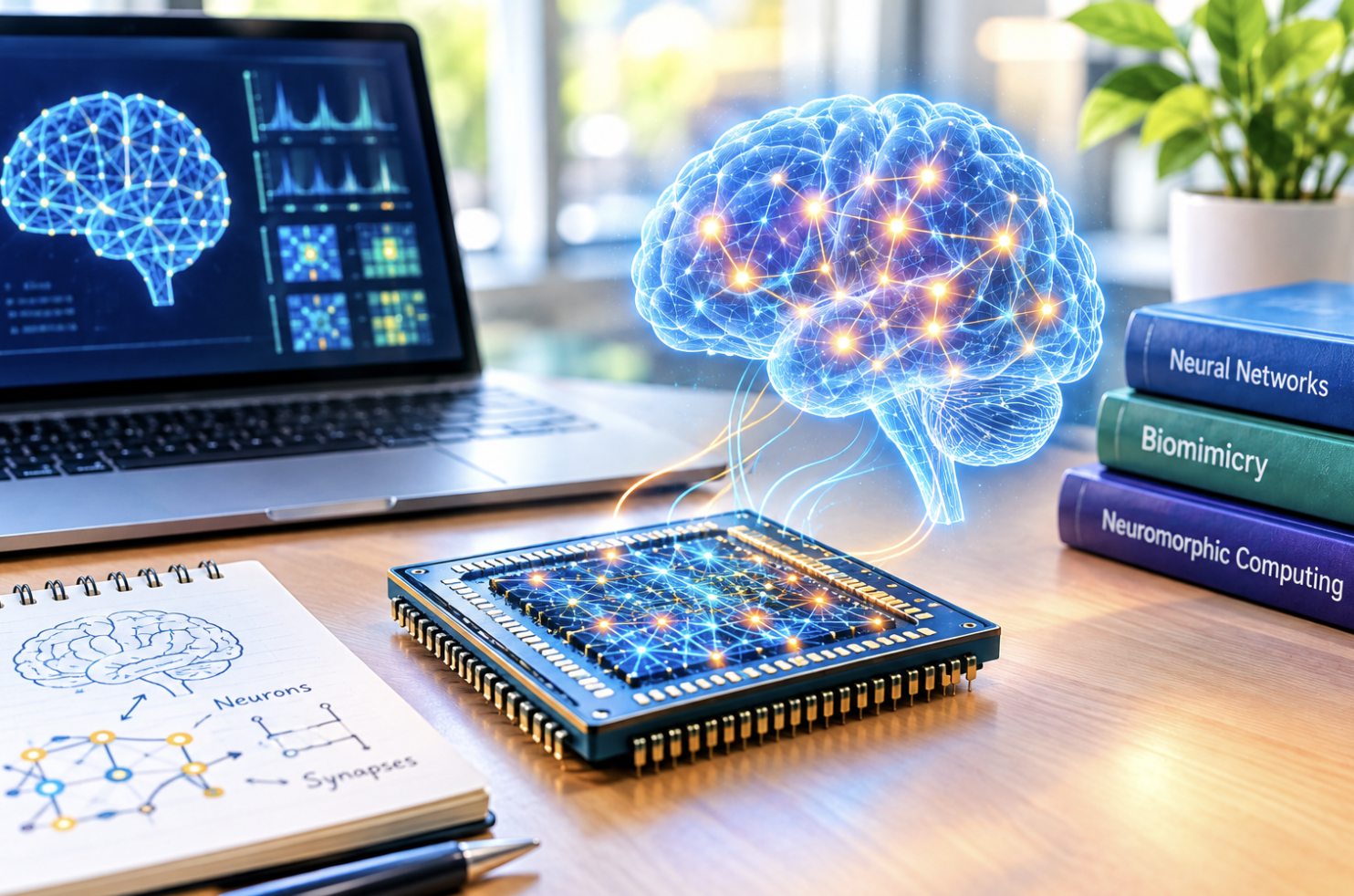
Traditional computer processors have followed a fundamentally consistent architectural approach for decades, yet neuromorphic computing represents a radical departure from this traditional design, instead drawing direct inspiration from how biological brains actually process information. What neuromorphic chips actually are, and how they attempt to mimic brain-like processing, provides fascinating insight into an innovative computing approach that could reshape certain areas of technology.
What a Neuromorphic Chip Actually Means
A neuromorphic chip is a computer processor specifically designed to mimic the structure and function of biological neural networks, using an architecture inspired by how neurons and synapses within actual brains process and transmit information. This represents a fundamentally different approach compared to traditional computer processors, which follow a considerably different, more sequential architectural design that differs meaningfully from how biological brains actually operate.
This brain-inspired design matters, since it explains why neuromorphic chips can potentially offer significant advantages for certain types of computational tasks, particularly those involving pattern recognition and processing sensory-like information, areas where traditional computing architecture has historically struggled to match the efficiency biological brains demonstrate.
How Traditional Processors Differ From Neuromorphic Design
The fundamental architectural differences between traditional computer processors and neuromorphic chip design helps clarify why this alternative approach offers different capabilities.
- ● Traditional processors process instructions sequentially, following a structured, step-by-step approach
- ● This architecture separates memory storage from actual processing, requiring constant data movement between these components
- ● Neuromorphic chips integrate processing and memory more similarly to how actual biological neurons function
- This architectural distinction helps clarify neuromorphic computing’s different underlying operational approach
This memory-processing separation deserves particular emphasis, since traditional computer architecture’s requirement to constantly move data between separate memory and processing components creates a meaningful efficiency bottleneck, often called the von Neumann bottleneck, while neuromorphic chips’ more integrated approach, mimicking how biological neurons combine memory and processing functions within the same basic units, potentially addresses this efficiency limitation in ways that could prove significant for certain computational tasks.
Why Neuromorphic Chips Excel at Certain Specific Tasks
The specific types of computational tasks where neuromorphic chip architecture provides particular, meaningful advantages helps clarify this technology’s practical significance beyond simply an interesting theoretical concept alone.
- Pattern recognition tasks benefit from neuromorphic architecture’s brain-inspired processing approach
- Processing continuous, sensory-like data streams suits this architecture’s particular design strengths
- Neuromorphic chips can achieve significant energy efficiency advantages for these particular types of tasks
- These strengths helps clarify why neuromorphic computing attracts interest for specific application areas
This energy efficiency advantage deserves particular emphasis, since biological brains accomplish remarkably sophisticated pattern recognition and sensory processing while consuming dramatically less energy compared to what traditional computing architecture would require to accomplish comparable tasks, meaning neuromorphic chips’ brain-inspired design specifically aims to capture some of this biological efficiency advantage for computational tasks that share meaningful similarities with the kind of processing biological brains naturally excel at performing.
Practical Applications Where Neuromorphic Computing Shows Promise
The specific application areas where neuromorphic computing technology shows particular practical promise helps illustrate this technology’s potential real-world significance beyond purely theoretical research interest.
- Robotics applications benefit from neuromorphic chips’ efficient processing of continuous sensory information
- Edge computing devices benefit from this architecture’s energy efficiency for on-device processing
- Certain artificial intelligence applications explore neuromorphic architecture for more efficient pattern recognition
- These application areas helps illustrate neuromorphic computing’s practical potential significance
This edge computing relevance deserves particular emphasis, since devices operating with limited power availability, like certain sensors or portable devices, particularly benefit from neuromorphic chips’ potential energy efficiency advantages, meaning this technology could enable more sophisticated on-device processing capability without requiring the kind of power consumption that would otherwise make sophisticated local processing impractical for these particular power-constrained applications.
The Current Limitations Neuromorphic Computing Still Faces
Neuromorphic computing, despite its theoretical promise, still faces real, significant limitations helps provide balanced, honest context for this technology’s current, actual practical state.
- Neuromorphic chip development remains less mature compared to traditional processor technology
- Programming and effectively utilising neuromorphic architecture requires different technical approaches and expertise
- This technology does not yet match traditional processors’ versatility across all types of computational tasks
- These limitations helps set realistic expectations for neuromorphic computing’s current practical maturity
How Neuromorphic Computing Relates to Artificial Intelligence Development
The meaningful relationship between neuromorphic computing and broader artificial intelligence development helps clarify why these two technology areas often appear together within research and development discussions.
- Neuromorphic architecture’s brain-inspired design shares conceptual connections with certain AI approaches
- This hardware approach could complement software-based AI development with more efficient underlying processing
- Some researchers explore neuromorphic chips specifically for running certain types of AI applications more efficiently
- This relationship helps clarify why neuromorphic computing attracts interest within AI research communitsies
The Research and Development Landscape for Neuromorphic Computing
The current state of neuromorphic computing research and development helps provide realistic context for this technology’s actual progress and remaining development trajectory.
- Various research institutions and technology companies continue actively developing neuromorphic chip technology
- This ongoing research explores both improving chip design and developing appropriate software approaches
- Progress continues though this remains a considerably less mature technology compared to traditional computing
- This research landscape helps appreciate the ongoing work supporting this technology’s continued development
Why Neuromorphic Computing Represents Long-Term Technological Investment
Why neuromorphic computing represents a longer-term technological investment, rather than an immediately, widely deployable solution, helps clarify realistic expectations for this technology’s practical timeline.
- Neuromorphic computing’s potential likely requires continued research and development before widespread practical deployment
- This technology represents promising long-term investment rather than immediate, mainstream computing replacement
- This longer timeline helps set appropriately realistic expectations for neuromorphic computing’s actual development pace
- This perspective helps appreciate neuromorphic computing’s significance without assuming imminent, widespread practical adoption
How Neuromorphic Computing Relates to Understanding the Human Brain
How neuromorphic computing research provides valuable insight benefiting neuroscience research, beyond simply computing applications alone, helps illustrate this technology’s interesting, bidirectional scientific relationship.
- Building neuromorphic systems requires deeply understanding biological neural processing principles
- This engineering effort sometimes generates new insights relevant to neuroscience research itself
- This bidirectional relationship between neuroscience and computing represents a fascinating aspect of this research area
- This connection helps illustrate neuromorphic computing’s broader, scientific significance beyond purely practical applications
The Manufacturing Challenges Neuromorphic Chip Production Presents
The real manufacturing and production challenges involved in actually building neuromorphic chips helps clarify additional practical considerations affecting this technology’s current developmental pace.
- Manufacturing neuromorphic chips requires different production approaches compared to traditional processors
- This different manufacturing requirement affects production costs and available manufacturing capacity
- Continued refinement of manufacturing processes represents an important part of this technology’s ongoing development
- These production considerations helps clarify additional, practical factors affecting neuromorphic computing’s development timeline
Final Thoughts
Neuromorphic chips represent a innovative computing approach, drawing architectural inspiration from biological neural processing to potentially achieve significant efficiency advantages for pattern recognition and sensory processing tasks, though this technology remains considerably less mature than traditional computing approaches. This technology’s promising potential and its real current limitations provides valuable, balanced perspective on this fascinating area of computing research that could influence certain specialised technology applications as continued development progresses.
As robotics, edge computing, and artificial intelligence applications continue demanding more efficient, brain-inspired processing capability, neuromorphic computing research seems positioned to remain an important, active area of technological investigation, even as mainstream computing continues relying primarily on traditional processor architecture for the foreseeable future.
Frequently Asked Questions
1. Will neuromorphic chips replace traditional computer processors entirely?
This seems unlikely in the foreseeable future, since neuromorphic architecture particularly suits specific types of tasks, while traditional processors remain better suited for many other common computing applications, suggesting these technologies will likely coexist, each serving their particular strengths.
2. Are neuromorphic chips available for consumer use today?
This technology remains primarily within research and specialised application contexts currently, rather than being available for typical consumer computing use, though continued development may eventually expand practical availability for more mainstream applications.
3. Does neuromorphic computing mean chips can actually think like human brains?
No, while neuromorphic chips draw architectural inspiration from biological neural processing, this represents a considerably simplified, specific computational approach rather than replicating the full complexity and capability of actual biological brain function and consciousness.
4. How does neuromorphic computing relate to traditional artificial intelligence software approaches?
These represent related but distinct areas, with neuromorphic computing focusing on hardware architecture inspired by biological processing, while much current AI development occurs through software approaches running on traditional processors, though these areas can complement each other.
5. Is neuromorphic computing research well-funded and actively pursued currently?
Yes, various significant research institutions and technology companies continue investing meaningfully in neuromorphic computing research, reflecting sustained interest in this technology’s long-term potential despite its current developmental stage.
6. What advantage does neuromorphic computing offer that makes continued research worthwhile despite current limitations?
The potential for dramatically improved energy efficiency for certain computational tasks, particularly pattern recognition and sensory processing, represents a significant enough potential advantage that continued research investment appears justified despite this technology’s current developmental limitations.