

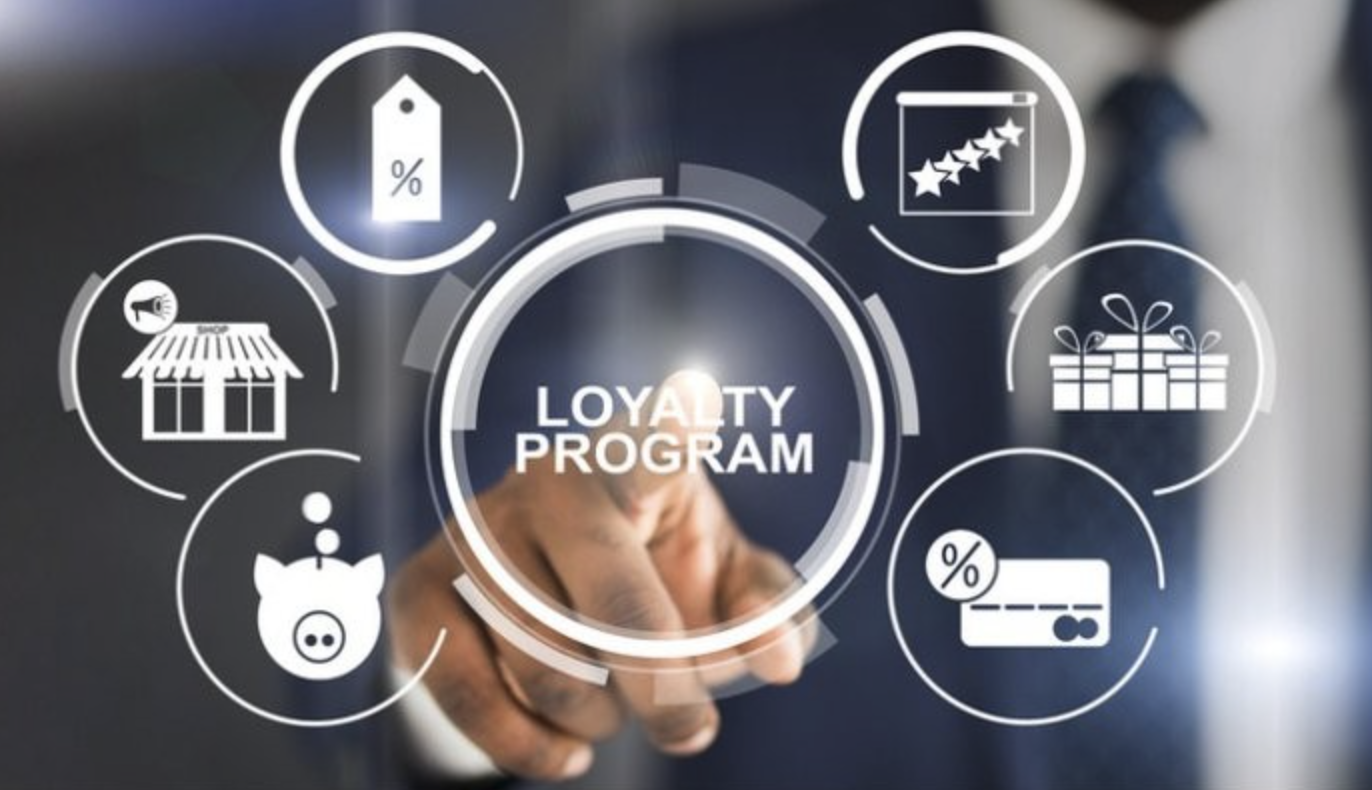
Building a loyalty program for a small business is an excellent way to cultivate customer retention, increase sales, and foster long-term relationships with your clientele. In a competitive marketplace, rewarding your customers for their loyalty can set your business apart and encourage repeat visits. Whether you’re just starting out or looking to enhance your existing customer engagement strategies, creating a well-designed loyalty program tailored to your business needs can lead to sustained growth and success.
In this guide, we’ll explore the essential steps to develop an effective loyalty program that resonates with your customers and fits within your small business budget.
What Is a Loyalty Program?
A loyalty program for a small business is a system that rewards customers for continuing to buy from or interact with your business.
Instead of simply hoping customers return, you give them a reason to come back. That reward could be a discount, free product, exclusive offer, points, early access, or another benefit.
You don’t need a complicated system to get started. In fact, a simple program can often be easier for both you and your customers to understand.
The goal isn’t just to give things away. A good loyalty program should encourage repeat business while making customers feel recognized and appreciated.
Why Should Small Businesses Create Loyalty Programs?
Getting a new customer can take considerable time and marketing effort. Once someone has already purchased from you, encouraging that person to return can be a more practical way to build a lasting customer relationship.
A loyalty program can help you:
- Encourage repeat purchases
- Increase customer retention
- Strengthen customer relationships
- Reward frequent customers
- Encourage referrals
- Collect useful customer insights
- Increase engagement with your brand
- Give customers a reason to choose you again
For instance, a coffee shop could give a free beverage after a customer buys a specific number of drinks. An online store could provide points for every purchase. A service business might offer a discount after a customer completes several appointments.
The exact reward matters less than whether the program provides genuine value.
Start by Defining Your Goal
Before choosing a rewards system, decide what you want your loyalty program to accomplish.
Don’t create a program simply because other businesses have one.
Your goal could be to:
- Increase repeat purchases
- Encourage larger orders
- Bring inactive customers back
- Promote specific products
- Increase referrals
- Improve customer engagement
- Build an email or SMS audience
Having one or two clear objectives makes it easier to design the right program.
For example, if your main problem is that customers make one purchase and never return, your program should focus heavily on encouraging a second purchase.
If customers already return frequently but spend very little, you might create rewards based on spending thresholds instead.
Choose the Right Loyalty Program Model
There are several types of loyalty programs you can use. The best choice depends on your business model and customers.
Points-Based Loyalty Program
Customers earn points when they make purchases or complete certain actions.
For example:
$1 spent = 1 point
Customers can later exchange their points for rewards.
This model works well for businesses with frequent purchases because customers can see their progress toward the next reward.
Punch Card Program
This is one of the simplest approaches.
Customers receive a stamp or digital mark after each qualifying purchase. After collecting a specific number, they receive a reward.
For example:
Buy 9 coffees, get the 10th free.
The simplicity makes this approach particularly suitable for cafes, salons, food businesses, and other local companies.
Tiered Loyalty Program
A tiered program gives customers different benefits depending on their level of activity.
For example:
- Bronze: Basic rewards
- Silver: Additional discounts
- Gold: Exclusive benefits
This approach can encourage customers to spend more or engage more frequently to reach the next level.
Referral Program
Customers receive a reward for bringing new customers to your business.
For example, you could offer both people a discount after a successful referral.
This combines customer retention with word-of-mouth marketing.
Design Rewards Customers Actually Want
One of the biggest mistakes businesses make is choosing rewards that look attractive internally but aren’t particularly useful to customers.
Ask yourself:
Would my customers genuinely care about this reward?
Good rewards might include:
- Percentage discounts
- Free products
- Free shipping
- Exclusive offers
- Early access
- Complimentary services
- Birthday rewards
- Members-only promotions
The reward should also be realistic for your business.
If every customer receives a large discount after every purchase, your loyalty program could reduce your profit rather than improve your business.
Instead, look for rewards that provide meaningful value while remaining financially sustainable.
Keep the Program Simple
Customers shouldn’t need a manual to understand your loyalty program.
If someone has to read several paragraphs just to figure out how rewards work, the system may be too complicated.
Try to answer three questions immediately:
- How do I earn rewards?
- What do I receive?
- When can I use my reward?
For example:
Earn one point for every $1 you spend. Collect 100 points and receive a $10 reward.
That’s easy to understand.
You should also make it easy for customers to check their progress. If customers don’t know how close they are to receiving a reward, they may lose interest.
Decide How Customers Will Join
The enrollment process should be quick.
Depending on your business, customers could join through:
- Your website
- A mobile app
- An email form
- A checkout system
- A QR code
- A physical loyalty card
- An in-store sign-up form
For a small business, you don’t necessarily need an expensive custom app.
A simple digital system can be enough, especially when you’re testing the idea for the first time.
Make sure you clearly explain what information you’re collecting and how you’ll use it. Avoid asking for unnecessary personal information.
Promote Your Loyalty Program
Even a great loyalty program won’t work if customers don’t know it exists.
Mention it at natural points throughout the customer journey.
You could promote it through:
- Your website
- Social media
- Email newsletters
- Receipts
- Packaging
- In-store signs
- Checkout pages
- Customer service conversations
For example, a cashier might simply ask:
“Would you like to join our free rewards program and start earning points today?”
Keep the explanation short.
You can also highlight the program on your website with a simple message explaining the benefits.
Personalize the Customer Experience
A loyalty program becomes more powerful when it helps you understand your customers.
For example, you may learn which products customers purchase most often or how frequently they return.
You can then create more relevant offers.
A customer who regularly buys a particular product may appreciate a related offer more than a generic discount.
However, personalization should be useful rather than intrusive. Customers should feel appreciated, not watched.
Use customer information responsibly and follow applicable privacy requirements.
Make Your Best Customers Feel Special
Not every loyalty reward needs to involve a discount.
Sometimes recognition can be just as valuable.
You could offer loyal customers:
- Early access to new products
- Special events
- Exclusive content
- Members-only products
- Personalized recommendations
- Birthday benefits
- Priority booking
These benefits can create a stronger emotional connection with your business.
The objective is to make customers feel that their continued support matters.
Measure Whether Your Loyalty Program Works
Once your program is running, don’t simply assume it’s successful.
Track a few useful metrics.
Repeat Purchase Rate
How many customers return and purchase again?
Redemption Rate
How often are customers actually using their rewards?
A very low redemption rate could mean the rewards aren’t attractive or the process is confusing.
Customer Spending
Compare spending among loyalty members and non-members where appropriate.
Enrollment Rate
How many eligible customers join?
Customer Retention
Are loyalty members staying active for longer?
You don’t need dozens of complicated metrics. Start with a few numbers that directly relate to your original goal.
Common Loyalty Program Mistakes to Avoid
A loyalty program can fail when businesses make it unnecessarily complicated or fail to maintain it.
Rewards Are Too Difficult to Earn
If customers need to spend a huge amount before receiving anything, they may stop caring.
The Rules Keep Changing
Frequent changes can frustrate customers and reduce trust.
Customers Don’t Know Their Balance
Make it easy for members to see their points, stamps, or progress.
Rewards Expire Too Quickly
Short expiration periods may discourage customers rather than motivate them.
The Program Is Too Expensive
Calculate the cost of rewards before launching.
No One Promotes It
Customers can’t participate in a program they don’t know about.
The Business Stops Updating It
A neglected loyalty program can quickly become irrelevant. Review your results periodically and make improvements based on customer behavior.
How to Launch a Small Business Loyalty Program
You can start with a straightforward process.
Step 1: Choose One Goal
Decide what you want to improve, such as repeat purchases or referrals.
Step 2: Pick a Program Type
Choose points, punch cards, tiers, referrals, or another model that fits your business.
Step 3: Create a Simple Reward
Make sure customers can understand the benefit immediately.
Step 4: Set Clear Rules
Explain how customers earn, redeem, and use rewards.
Step 5: Choose Your Tracking Method
Decide whether you’ll use a digital platform, POS system, website, spreadsheet, or physical cards.
Step 6: Tell Your Customers
Promote the program across your customer touchpoints.
Step 7: Monitor Results
Review participation, repeat purchases, redemptions, and costs.
Step 8: Improve Over Time
Use customer feedback and performance data to make the program more useful.
Final Thoughts
A successful loyalty program for a small business doesn’t have to be complicated or expensive.
Start with a clear goal, offer a reward customers genuinely value, and make the rules easy to understand. Most importantly, track what happens after launch.
If customers return more often, engage more with your business, or spend more over time, your program may be doing its job.
Start small, listen to your customers, and improve the program as you learn what motivates them. A simple loyalty system that customers actually use is far more valuable than a complicated program that nobody understands.
Frequently Asked Questions
1. How do I create a loyalty program for a small business?
Start by defining a goal, choosing a simple reward structure, deciding how customers will earn rewards, and selecting a convenient way to track participation. Then promote the program and measure its results.
2. What is the best loyalty program for a small business?
There isn’t one universal option. Points programs work well for frequent purchases, while punch cards are useful for simple local businesses. Referral and tiered programs can work well when you want to encourage additional engagement.
3. Are loyalty programs worth it for small businesses?
They can be valuable when they encourage customers to return and the cost of rewards is lower than the value generated by additional business. The key is to track results rather than assuming the program is profitable.
4. How much should I reward loyal customers?
The right amount depends on your margins, average order value, purchase frequency, and business model. Your reward should feel worthwhile to customers without making the program financially unsustainable.
5. Can I create a loyalty program without an app?
Yes. You can use physical cards, QR codes, email-based systems, spreadsheets, website tools, or features built into your point-of-sale system. You don’t need a custom mobile app to get started.
6. How can I get customers to join my loyalty program?
Make enrollment quick, explain the benefit clearly, and promote the program at checkout, on your website, through email, and across social media. An immediate sign-up benefit can also encourage participation.