

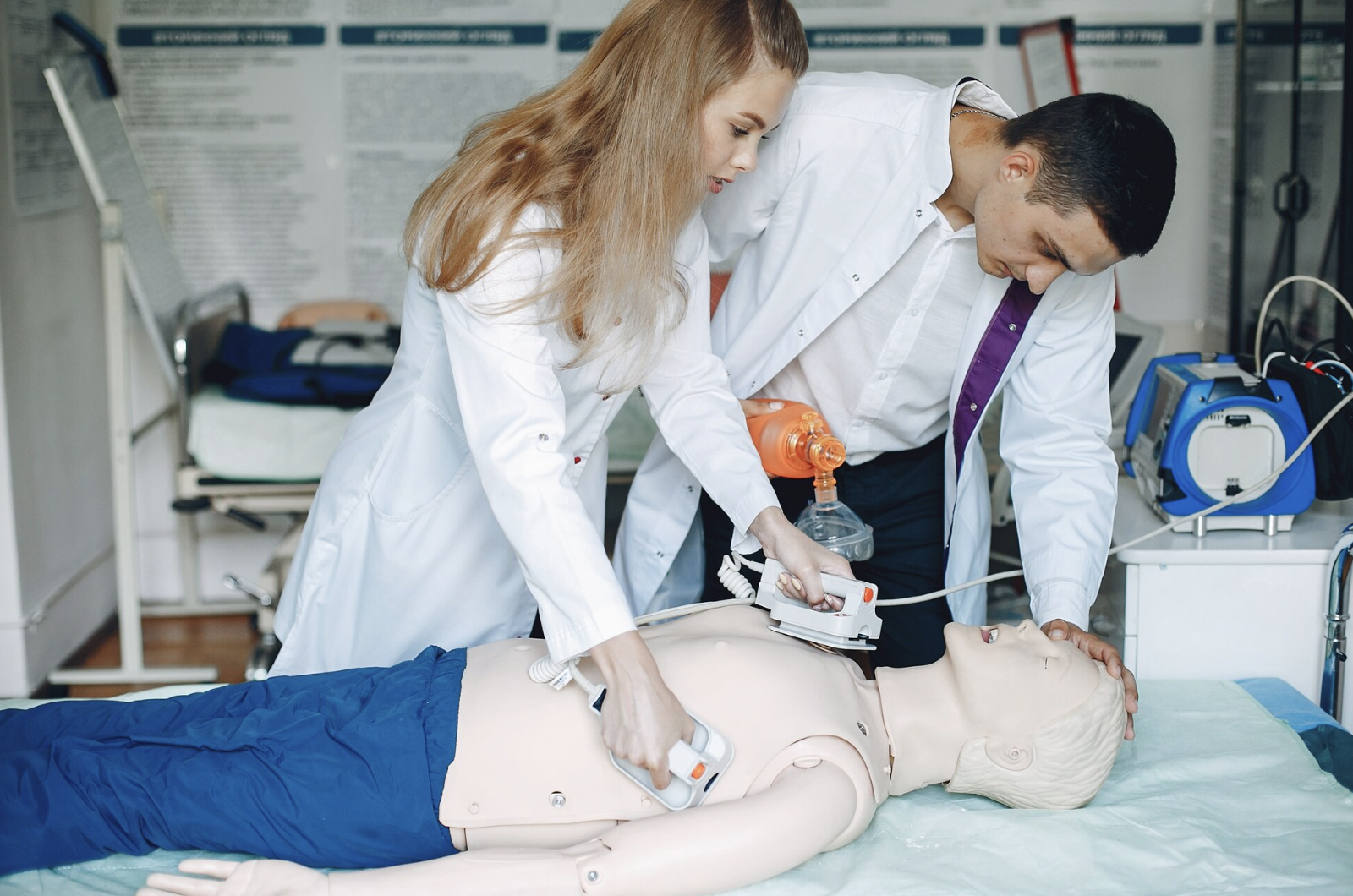
Learning how to respond during a medical emergency can mean the difference between life and death. Cardiopulmonary Resuscitation (CPR) is a vital skill that enables ordinary people to take extraordinary action when someone’s heart or breathing stops. Whether you’re pursuing CPR certification for your career, your family, or your own peace of mind, understanding the process and its benefits is essential. This guide explains how to get CPR certified and why this single skill is one of the most valuable investments you can make.
Why CPR Certification Truly Matters
CPR certification is more than a credential; it’s preparedness in action. Here’s why it plays such a critical role in emergency response:
- Preserves Life Until Help Arrives: CPR keeps oxygenated blood flowing to the brain and organs during cardiac arrest, significantly improving survival rates.
- Empowers Fast Decision-Making: Training removes hesitation, allowing you to respond confidently when seconds matter.
- Professional Requirement: Many careers, such as healthcare, teaching, childcare, and fitness,s require up-to-date CPR certification to meet safety standards.
- Community Safety: Trained individuals strengthen overall public safety at workplaces, schools, and public spaces.
How to Get CPR Certified: Step by Step
Becoming CPR certified is straightforward and accessible for most people. Follow these steps to get started:
1. Choose a Trusted Training Provider
Select a reputable organization that offers nationally or internationally recognized certification. Well-known providers ensure your certificate is accepted by employers and institutions.
- Online Training: Ideal for flexibility and self-paced learning.
- In-Person Training: Best for hands on practice and real-time instructor feedback.
- Accreditation Check: Always confirm that the provider follows current CPR guidelines.
2. Pick the Course That Fits Your Needs
CPR courses are designed for different audiences:
- Standard CPR & AED: Suitable for the general public and workplace safety.
- Child & Infant CPR: Essential for parents, educators, and childcare professionals.
- Advanced Life Support (ACLS): Designed for healthcare professionals managing critical patients.
- CPR + First Aid Combination: Covers both life-threatening emergencies and common injuries.
3. Complete the Training Program
During the course, you’ll learn essential life-saving techniques, including:
- Correct chest compression depth and rhythm
- Rescue breathing methods
- Safe and effective AED operation
- Basic first aid for injuries and medical emergencies
4. Pass the Assessment
Most courses require a knowledge test and a skills evaluation.
- Written Exam: Often multiple choice, testing your understanding of procedures.
- Skills Demonstration: Confirms you can perform CPR correctly and safely.
5. Receive Your CPR Certification
After completing the course, you’ll receive a certification card or digital certificate. Most CPR certifications remain valid for two years, after which renewal is required to stay compliant with updated guidelines.
Key Benefits of CPR Certification
CPR certification offers advantages that extend far beyond emergencies:
Stronger Emergency Response Skills
- Immediate action reduces the risk of severe brain damage or death
- Trained responders remain calm and effective under pressure
Expanded Career Opportunities
- Required or preferred qualification in many industries
- Enhances your resume and demonstrates responsibility and leadership
Greater Safety Awareness
- Improves your ability to recognize medical emergencies early
- Encourages a proactive approach to health and safety
Personal Confidence and Peace of Mind
- Knowing you can help in a crisis brings reassurance
- Empowers you to protect loved ones and strangers alike
Keeping Your CPR Certification Current
CPR guidelines evolve based on medical research, making regular renewal essential.
- Renew Every Two Years: Ensures your skills remain accurate and effective
- Online Renewal Options: Convenient for busy schedules
- Hands On Refreshers: Reinforce proper technique and muscle memory
Staying certified means staying prepared.
Conclusion
CPR certification is a practical, powerful skill that equips you to act when it matters most. The training process is simple, the time commitment is minimal, and the potential impact is enormous. Whether you’re advancing your career or protecting the people around you, CPR certification prepares you to make a real difference. Take the first step today and become someone ready to save a life when every second counts.