

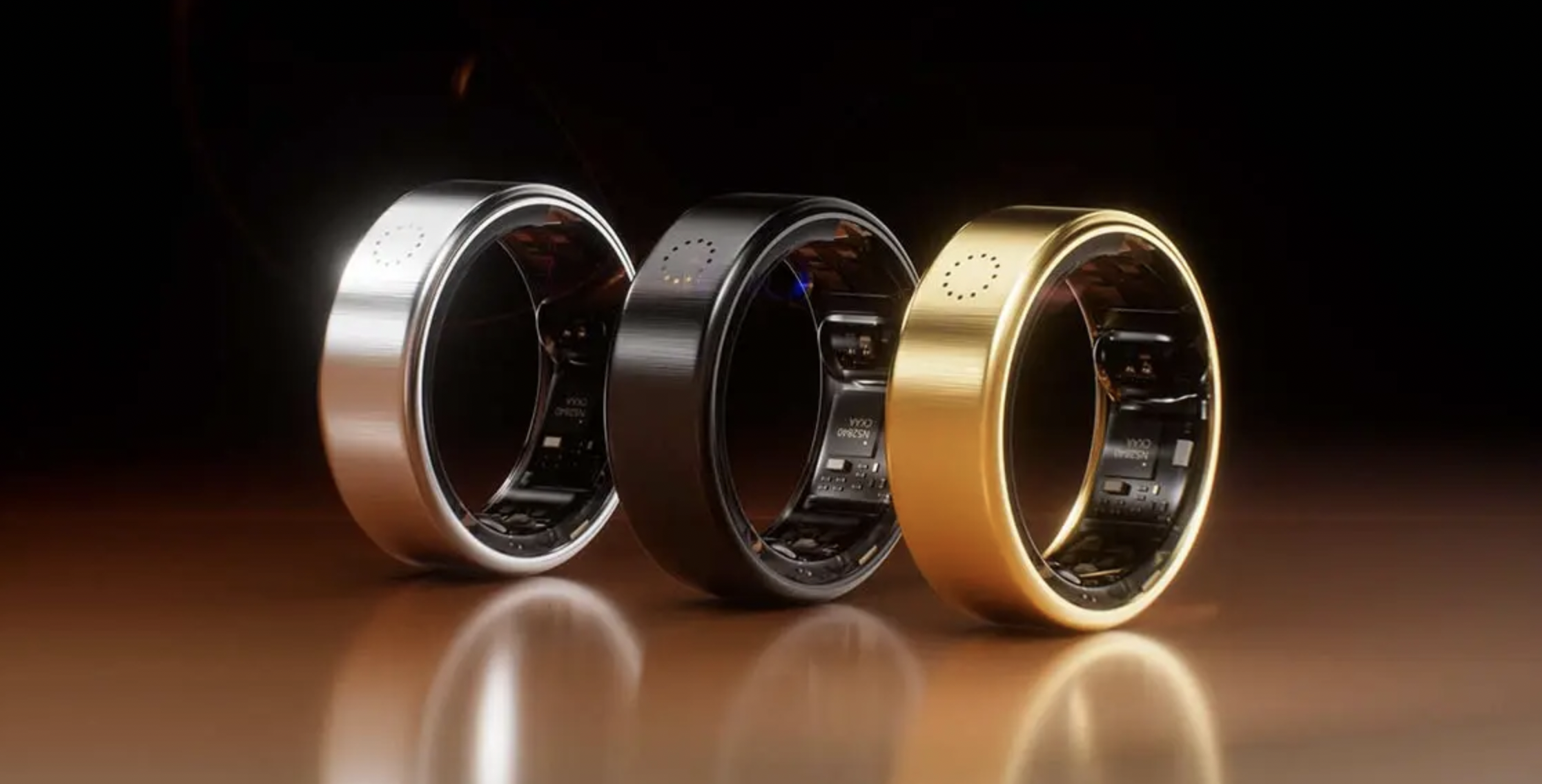
A ring that tracks sleep stages, body temperature shifts, and heart rate variability without a screen, a strap, or a single notification buzzing on your wrist has become one of the more surprising growth categories in consumer electronics.
Smart rings carved out a loyal following among athletes and biohacking enthusiasts first, then expanded into a broader mainstream audience looking for health tracking without the visual bulk or social signaling of a traditional fitness watch.
Knowing what these devices measure, how that data gets turned into a daily score, and where the technology still falls short matters for anyone considering swapping a wrist-based tracker for a ring.
Sensors Packed Into a Small Band
Despite their compact size, smart rings pack a surprising density of sensors into a band that typically weighs just a few grams. Engineering a ring to fit this much hardware without sacrificing battery life or comfort has been one of the category’s core technical challenges, and it explains why most rings on the market still look fairly similar to one another despite competing on software.
- Photoplethysmography sensors: small green or infrared LEDs paired with photodiodes measure blood volume changes in the finger, forming the basis for heart rate and heart rate variability readings.
- Skin temperature sensors: continuous temperature tracking throughout the night establishes a personal baseline, then flags deviations that can signal illness, hormonal cycle shifts, or poor recovery.
- Accelerometers: motion sensors detect movement patterns used to estimate steps, activity intensity, and to help distinguish sleep from wakefulness during overnight tracking.
- Pulse oximetry sensors: some rings estimate blood oxygen saturation during sleep, a metric increasingly marketed toward users concerned about breathing irregularities overnight.
The finger turns out to be a favorable location for several of these readings. Blood flow near the surface of the finger is strong and consistent, which can produce cleaner heart rate signals than a wrist sensor contending with more movement artifact and looser contact against the skin, especially during exercise.
Engineers designing rings also face a tighter thermal and power budget than watch designers, since there is simply less physical volume available for a battery, a processor, and radio components. This has pushed manufacturers toward aggressive low-power chip designs and has limited how much on-device processing a ring can perform compared with a watch, meaning most rings offload the bulk of their analysis to a companion smartphone app rather than computing complex scores directly on the device itself.
That division of labor also explains why a ring typically needs a paired phone nearby to sync data regularly, rather than functioning as a fully standalone computer the way some premium watches do.
Sleep Tracking and Recovery Scores
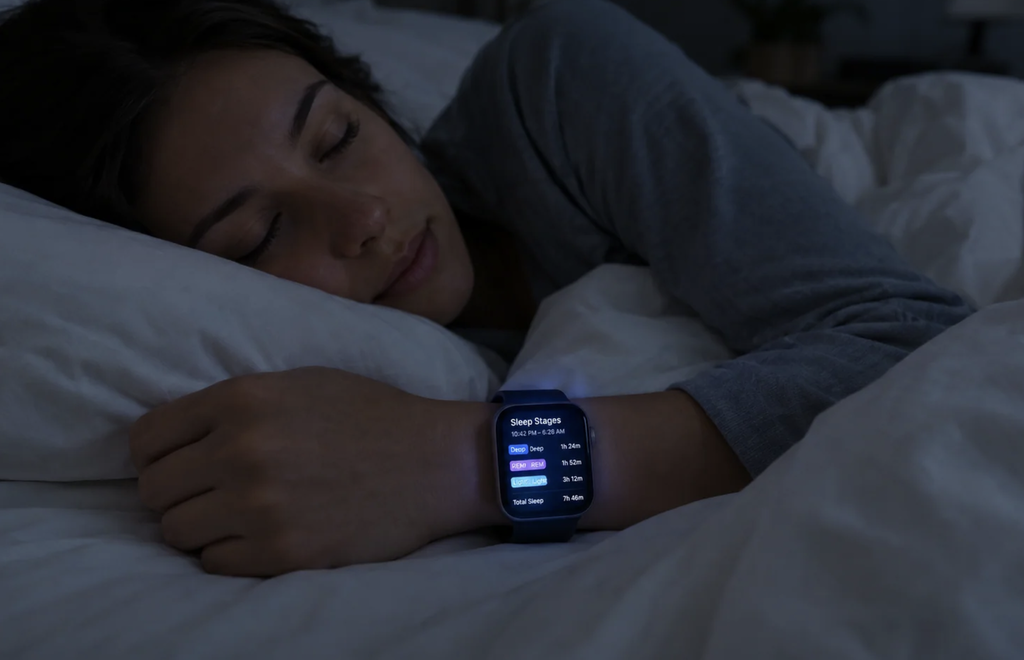
Sleep has become the signature feature of the smart ring category, and it is the reason many users give for choosing a ring over a watch in the first place. Because the device stays on overnight without the discomfort many people report from sleeping in a watch, rings have captured a strong share of the sleep tracking market specifically. Most ring platforms generate several layered outputs from overnight data.
- Sleep stage estimates: algorithms classify time spent in light, deep, and rapid eye movement sleep based on movement and heart rate patterns, though these estimates are approximations rather than clinical-grade measurements.
- A nightly sleep score: a composite number, often out of 100, combining total sleep time, time spent in each stage, and how often the body woke briefly during the night.
- A readiness or recovery score: a separate daily metric blending overnight heart rate variability, resting heart rate, temperature deviation, and recent sleep debt into a single number meant to suggest how prepared the body is for exertion that day.
- Cycle and temperature trend tracking: some platforms layer menstrual cycle prediction on top of nightly temperature data, since temperature shifts can correlate with different phases of the cycle.
These scores have become popular enough that some users report adjusting workout intensity, caffeine intake, or bedtime based on what the ring’s app recommends each morning, effectively outsourcing a layer of daily decision-making to an algorithm trained on aggregated sleep and recovery data.
Sleep researchers have expressed some caution about how closely people follow these daily recommendations, noting that a single algorithm-generated score cannot account for context an app has no way of knowing, such as a stressful meeting scheduled that day or a planned late-night event.
Several researchers studying wearable adoption have described a phenomenon they call orthosomnia, an excessive preoccupation with achieving a perfect sleep score that can itself become a source of anxiety, somewhat undermining the restfulness the tracking was meant to support in the first place.
Manufacturers have responded in some cases by softening score language, shifting from strict numeric grades toward more descriptive, less clinical-sounding feedback intended to reduce this kind of score fixation among heavy users.
Ring Trackers Versus Wrist Trackers
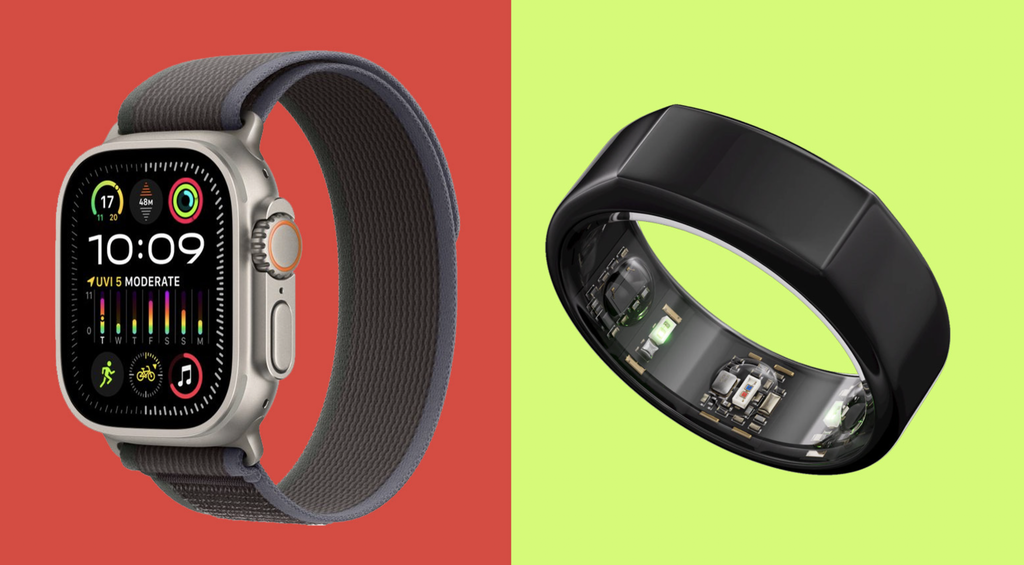
The core sensor technology in most rings and most watches overlaps heavily, both rely on similar optical heart rate methods, but the form factor difference produces real trade-offs that matter depending on how a person plans to use the device.
- Comfort during sleep: rings are generally reported as more comfortable for continuous overnight wear, since they lack the bulk and strap pressure of a watch.
- Screen and notifications: watches offer a screen for checking data in real time, receiving notifications, and controlling music, features rings simply cannot replicate without an accompanying display.
- Exercise-specific tracking: watches with built-in GPS can map outdoor routes and track pace directly, a feature most rings lack entirely, requiring a paired phone for location data during workouts.
- Social and professional appearance: a ring looks like ordinary jewelry, which appeals to users who find a bulky fitness watch too visible or too casual for certain settings.
- Battery life: most rings last four to seven days per charge, far longer than the one to two days common among feature-rich smartwatches, thanks to the ring’s smaller screen-free design.
For users who want deep data on sleep and recovery without an on-wrist display, a ring is often the better fit. For users who want real-time stats mid-workout, music control, or smartphone notifications on their body, a watch remains the more capable option, and some users end up wearing both simultaneously to cover each use case.
Price comparisons between the two categories are less straightforward than they first appear. A ring’s upfront hardware cost often sits below a premium smartwatch, but several ring brands charge an ongoing subscription for full feature access, while most watch brands bundle their complete feature set into the hardware purchase without a recurring fee.
Over a two or three year ownership window, a subscription-based ring can end up costing more in total than a one-time watch purchase, a detail that budget-conscious shoppers sometimes miss when comparing sticker prices alone rather than total cost of ownership across the life of the device.
Battery Life and Daily Comfort
Battery efficiency is one of the clearer wins for the ring form factor, driven largely by the absence of a power-hungry display. Most models on the market claim four to seven days of use per charge, with charging handled through a small dock or case that holds the ring during short top-up sessions rather than requiring an overnight charge that competes with sleep tracking time.
Comfort reports vary by user and by ring fit. Sizing matters more than with a watch, since a ring that is too loose can shift around the finger and produce inconsistent sensor readings, while one that is too tight can cause discomfort during temperature changes, such as when fingers swell slightly in heat or shrink in cold weather. Most brands now ship sizing kits before the actual purchase specifically to address this, asking customers to wear a plastic sizing ring for a day or two to confirm fit before the real device ships, a step that has visibly reduced return rates reported by several manufacturers.
Durability has also improved across product generations, with most current rings rated for daily wear including showering, swimming, and light exercise, though manufacturers generally still recommend removing rings during heavy weightlifting or activities involving repeated hard impact, since the structural demands of athletic rings differ from standard jewelry.
Material choice affects both durability and comfort. Titanium has become the dominant shell material across premium ring models, prized for its light weight, scratch resistance, and hypoallergenic properties compared with cheaper metals that can irritate sensitive skin over prolonged wear. Manufacturers also offer a range of finishes and colors aimed at making the device read as a piece of jewelry rather than obvious medical or fitness equipment, a deliberate design choice that has helped the category appeal to users who were previously reluctant to wear a visible fitness tracker in professional or formal settings.
Accuracy Questions Researchers Are Raising
Independent validation studies comparing consumer wearables against clinical-grade reference equipment have produced a mixed picture for smart rings, as they have for most wearable categories. Heart rate accuracy during rest tends to be fairly strong across most tested devices, but accuracy during intense exercise or rapid movement drops across the category, rings included, since optical sensors generally struggle more during motion regardless of where they sit on the body.
Sleep stage classification draws close scrutiny from sleep researchers, who note that distinguishing light from deep sleep accurately generally requires brainwave data from an electroencephalogram, something no consumer wearable currently measures. Instead, rings and watches alike infer sleep stages from movement and heart rate patterns, a method that correlates reasonably well with clinical measurements on average but can diverge sharply for any single individual or any single night.
Scientists studying commercial wearables have also raised concerns about validation transparency, noting that many manufacturers publish only limited data on how their algorithms were tested, making independent comparison across brands difficult for researchers and consumers alike.
Some manufacturers have responded by funding peer-reviewed validation studies and publishing white papers detailing testing methodology, though the pace and rigor of this disclosure still varies widely across the industry, and users are generally advised to treat ring-generated scores as a rough trend indicator rather than a precise clinical measurement.
Skin tone has also emerged as a factor researchers are studying more closely across the wearable category broadly. Optical sensors rely on light absorption patterns that can behave differently across a range of skin tones, and some early validation studies found accuracy gaps worth further investigation, prompting several manufacturers to expand testing pools and recalibrate algorithms to close those gaps.
Regulators in a few markets have begun asking wearable makers to disclose testing demographics more fully, treating equitable sensor accuracy as a consumer protection issue rather than a purely technical afterthought left to each company’s discretion.
Adoption Patterns Among Non-Athletes
Smart rings began as a product aimed squarely at athletes and quantified-self enthusiasts tracking marginal performance gains, but adoption has broadened well beyond that into groups with very different motivations for wearing one.
- Office workers monitoring stress: heart rate variability tracking has found an audience among people using it as an early signal of accumulated stress rather than athletic recovery, adjusting workload or taking breaks based on the daily readiness score.
- Parents tracking disrupted sleep: new parents report using rings to quantify just how fragmented their sleep has become, sometimes as validation for exhaustion rather than as a tool for improvement.
- Older adults monitoring general wellness: some users in this group value the discreet, jewelry-like form factor and the absence of a screen that might otherwise draw unwanted attention to health monitoring.
- Corporate wellness program participants: several employers have begun offering rings as part of wellness initiatives, sometimes tied to insurance premium discounts for meeting activity or sleep benchmarks.
This broadening audience has pushed manufacturers to diversify marketing and feature sets beyond pure athletic performance, adding stress management content, guided breathing exercises, and simplified dashboards aimed at users who find raw performance metrics less relevant to their daily goals than general wellness trends.
Retailers have taken note of this shift too, moving ring displays out of dedicated sporting goods sections and into broader electronics and jewelry departments, a small but telling signal of how the target customer has changed since the category’s early days.
Some jewelry brands have even partnered with wearable technology companies to produce co-branded rings designed to look indistinguishable from fine jewelry while housing the same sensor package found in more utilitarian models, further blurring the line between accessory and health device for a market that increasingly wants both in a single piece of jewelry worn daily.
Final Thoughts
Smart rings have carved out a credible niche by prioritizing continuous, comfortable, screen-free tracking over the real-time feedback a watch provides, and the format has resonated with a wider audience than its early athletic-focused marketing anticipated.
The sensor technology inside these devices overlaps closely with that of smartwatches, so the real differentiation lies in form factor, battery life, and the software layer that turns raw sensor data into daily scores people act on. Accuracy limitations remain real, especially during exercise and for precise sleep staging, and no ring should substitute for medical evaluation of a serious health concern.
For users seeking low-effort, long-term tracking of sleep and recovery trends over months and years, the category has matured into a legitimate, well-established alternative to the wrist.
Frequently Asked Questions
Are smart rings accurate enough to replace a doctor’s diagnostic equipment?
No. Manufacturers are consistent in stating these devices are wellness tools rather than medical diagnostic instruments, and while trend data over weeks can be informative for a person tracking their own patterns, any specific health concern should be evaluated with a healthcare provider using proper clinical equipment rather than relying on ring-generated scores alone.
Do I need a subscription to use a smart ring?
It depends on the brand. Some manufacturers bundle all features into the upfront hardware cost, while others require an ongoing monthly subscription to access detailed sleep and recovery analysis, a business model that has drawn criticism from users who feel core health data should not sit behind a recurring paywall after already purchasing the hardware.
Can a smart ring detect irregular heart rhythms?
Some models include features designed to flag irregular heart rhythms during periods of rest, similar to features found on smartwatches, though these are generally screening tools meant to prompt further medical evaluation rather than a diagnostic result on their own, and regulatory clearance for these features varies by region and specific product.
How does ring sizing affect data accuracy?
A poorly fitted ring can shift position on the finger or lose consistent skin contact, both of which degrade sensor accuracy for heart rate and temperature readings. This is why most brands ship a sizing kit before shipping the actual tracking device, since getting the fit right directly affects data quality more than with most other wearable categories.
Will a smart ring work if I have poor circulation or cold hands?
Users with conditions affecting peripheral circulation may experience less reliable optical sensor readings, since the technology depends on detectable blood flow near the skin’s surface. Manufacturers generally note this limitation in their documentation, and some users in this situation find a wrist-based device performs more consistently for them, since the wrist often retains stronger blood flow in cold conditions.
Do smart rings need to be replaced like batteries in other wearables?
The ring itself rarely needs replacement unless physically damaged, and its rechargeable battery is generally rated to retain the bulk of its original capacity for a few years of regular daily charging cycles, after which some gradual decline in battery life per charge is normal and expected, similar to other rechargeable lithium battery products.