

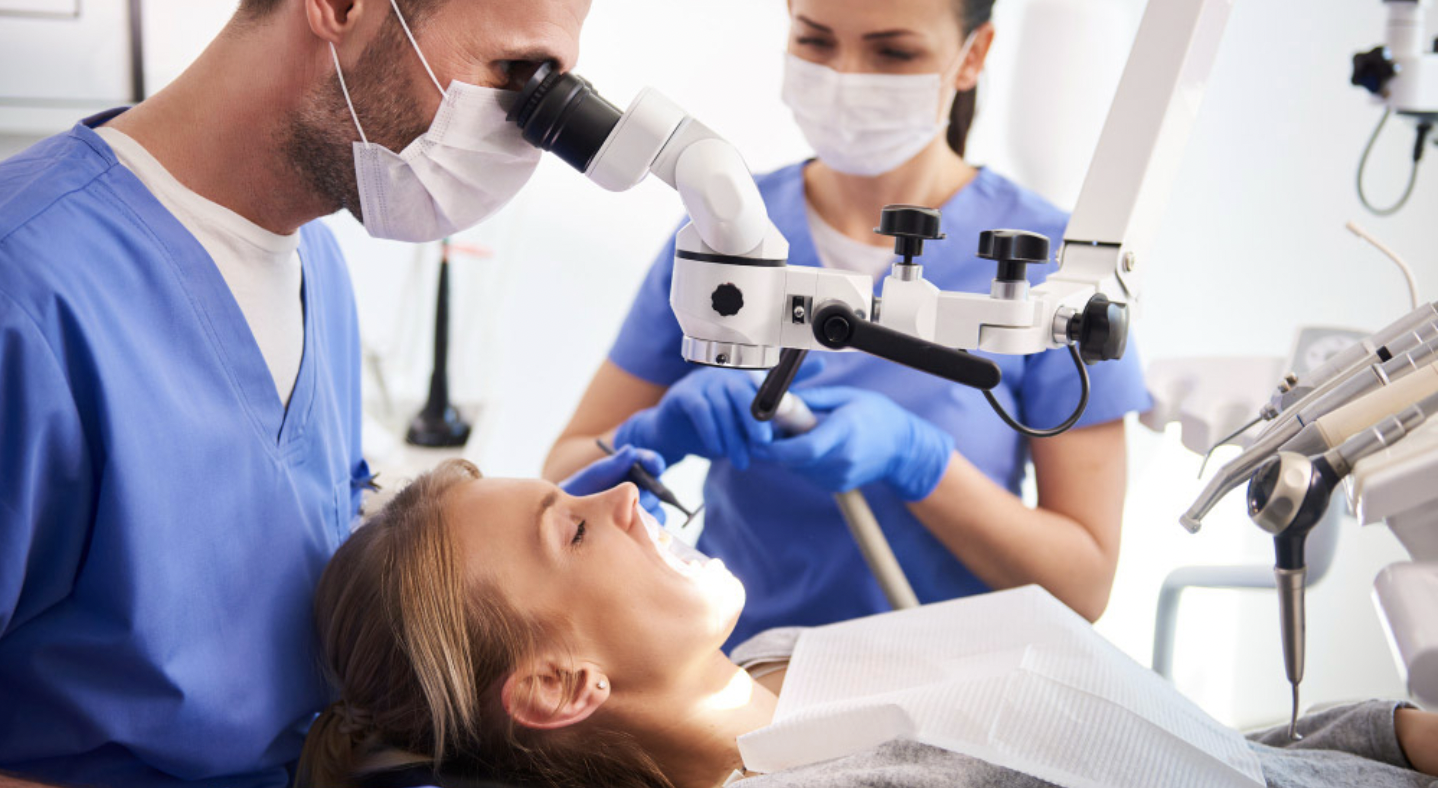
Introduction: A Better and Smarter Approach to Taking Care of Your Teeth
Your smile reflects your lifestyle, habits, and health. Therefore, dental care should match those details closely. Today, family dentistry uses advanced tools to tailor every visit. As a result, treatment becomes faster, clearer, and more comfortable.
Modern clinics rely on digital systems to reduce guesswork. Moreover, these tools help dentists detect issues early and explain them simply. Patients feel more involved, which builds trust and confidence. Consequently, visits become less stressful for both children and adults.
Why Personalized Dental Care Matters
Every person has unique dental needs. For example, a child with early cavities needs different care than an adult with gum issues. Similarly, older adults often face dry mouth or tooth wear.
Because of these differences, one treatment plan cannot suit everyone. Instead, dentists now adjust care based on age, habits, and medical history. This approach prevents unnecessary procedures. At the same time, it ensures no issue goes unnoticed.
Additionally, personalized care improves long term results. Patients follow plans more easily when they feel understood. Therefore, technology plays a key role in delivering this tailored approach.
Digital X-Rays for Safer and Faster Diagnosis
Digital X-rays have changed how dentists examine teeth. Unlike traditional methods, they produce clear images within seconds. As a result, dentists can act quickly without long waiting times.
Moreover, these X-rays use lower radiation levels. This makes them safer for both children and adults. In addition, dentists can zoom into specific areas. This helps detect small problems early.
Early detection leads to simpler treatments. For instance, a small cavity may only need a filling. However, late detection could require more complex procedures. Therefore, digital imaging supports both safety and efficiency.
Intraoral Cameras Improve Patient Understanding
During dental visits, many patients feel unsure or confused. Intraoral cameras help solve this problem by taking clear, detailed pictures inside the mouth.
The images appear instantly on a screen. As a result, patients can see exactly what the dentist sees. This creates better communication and clarity.
Furthermore, this tool encourages better habits. For example, children can see plaque buildup clearly. Consequently, they understand the importance of brushing. Over time, this visual learning improves oral hygiene.
Digital Scanners Replace Traditional Impressions
Traditional dental molds often cause discomfort. Many patients dislike the taste and texture. However, digital scanners offer a better solution.
Dentists use a small wand to scan the teeth. Meanwhile, a 3D model appears on a screen. Patients can breathe normally during the process. Therefore, the experience feels much easier.
This technology also improves accuracy. Crowns, aligners, and bridges fit better. In addition, the process saves time since data goes directly to labs. As a result, patients receive treatments faster.
Electronic Records Keep Everything Organized
Managing dental history becomes simple with electronic records. These systems store X-rays, notes, and treatment plans in one place. Therefore, dentists access information quickly.
Moreover, records can be shared easily with specialists. This reduces repeated tests and delays. Patients also spend less time filling forms.
Another benefit involves continuity of care. When patients move or change clinics, their history remains intact. Consequently, dentists make better decisions based on complete information.
Customized Plans for Every Age Group
Technology supports care for all stages of life. Each group benefits in different ways.
For Children
- Dentists monitor growth and detect early issues
- Preventive treatments like sealants are applied
- Short visits help build comfort and trust
For Teens and Adults
- 3D scans assist in planning aligners or braces
- Dentists track habits like grinding or sports injuries
- Treatments focus on alignment and protection
For Older Adults
- Tools monitor gum health and tooth wear
- Digital systems improve denture fitting
- Plans adjust based on medical conditions
Because of these tailored approaches, patients receive care that truly fits their needs.
How Technology Reduces Fear and Builds Confidence
Dental anxiety affects many people. However, modern tools help reduce that fear. Clear images replace uncertainty. Fast procedures reduce discomfort.
For example, scanners get rid of the trouble of messy molds. Digital X-rays speed up the visit, making it faster. As a result, patients feel more relaxed and comfortable.
Additionally, seeing real images builds trust. Patients understand their condition better. Therefore, they make informed decisions without pressure.
This sense of control improves the overall experience. Over time, fear decreases, and confidence grows.
Questions to Ask During Your Visit
Patients should stay informed about their care. Asking the right questions can help.
- How to select the right technology for test day success
- How do these tools improve my treatment
- How do you keep my records secure
- Can you show my dental images on the screen
Clear answers indicate a transparent and patient focused practice.
Conclusion: Better Care Through Smart Innovation
Technology has reshaped family dentistry in practical ways. It improves accuracy, comfort, and communication. As a result, patients receive care that fits their daily lives.
Moreover, these tools support early detection and better planning. Families benefit from shorter visits and a clearer understanding. Therefore, dental care becomes more effective and less stressful.
At your next appointment, observe the tools around you. Ask how they support your treatment. Choosing a modern approach can lead to healthier smiles and better experiences for your entire family.