

Stress isn’t just common today it’s practically universal. Everywhere you look, someone is overwhelmed, exhausted, or struggling to keep up with life’s nonstop pressures. And if your own anxiety levels have been rising, you’re definitely not alone.
But here’s the encouraging part:
Stress can be managed and there are proven techniques that genuinely help.
Most of them are simple, accessible, and completely free.
This guide breaks down:
- What modern anxiety really looks like
- Why stress management is essential not optional
- Evidence based techniques that actually work
- How to build your own personalized coping toolkit
Let’s dive in.
The State of Anxiety Today: What’s Really Going On?
Anxiety isn’t just a buzzword it’s the most common mental health issue worldwide. According to recent surveys, 1 in 5 adults now experiences an anxiety disorder.
And the numbers keep climbing.
A growing percentage of people report feeling more anxious than they did in previous years, citing the economy, political climate, safety concerns, and global uncertainty as major triggers.
What’s even more surprising?
Despite rising stress levels, very few people seek professional support. Only about 25% see a qualified psychologist each year even though professional guidance can dramatically improve coping skills. Organisations like Fortitude Wellbeing are helping fill this gap with accessible, expert led support.
But while professional help is invaluable, there’s also a lot you can do on your own.
Why Managing Stress Matters More Than You Think
Think of stress as your brain and body sounding an alarm.
A little stress keeps you alert. Chronic stress, however, wears you down.
When left unchecked, long term stress can:
- Elevate cortisol levels
- Disrupt sleep
- Weaken the immune system
- Lead to long term physical and mental health issues
Stress management isn’t about avoiding stress it’s about building resilience so your mind and body can handle adversity without burning out.
Those who learn stress relief techniques enjoy:
- Better emotional regulation
- Improved focus and productivity
- Stronger relationships
- Enhanced overall wellbeing
Stress management isn’t optional it’s essential.
Science Backed Stress Relief Techniques You Can Start Today
Let’s get into the strategies that research actually supports.
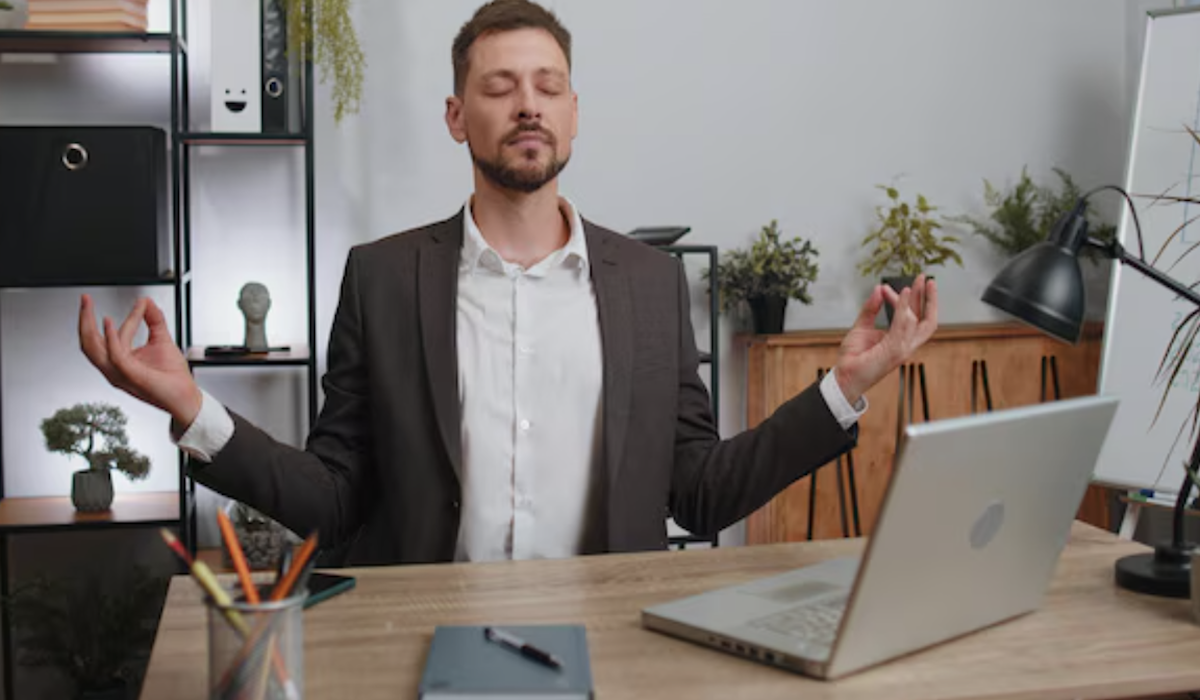
1. Mindfulness & Meditation
Mindfulness has gained massive popularity and for good reason. Studies show it’s one of the most effective ways to reduce cortisol, calm the mind, and improve emotional balance.
It’s simple to start:
- Sit somewhere quiet
- Focus on your breath
- Notice thoughts without judgment
- Gently return to the present when your mind wanders
Just 5 minutes a day can make a measurable difference within weeks.
2. Deep Breathing Techniques
Breathing exercises directly activate your body’s relaxation response. One of the most effective is the 4, 7, 8 method:
- Inhale for 4
- Hold for 7
- Exhale for 8
It can be done anywhere and quickly brings the nervous system back into balance.
3. Physical Movement
Exercise is one of the best natural stress relievers it lowers cortisol and boosts endorphins.
And here’s the great news…
You don’t need intense workouts.
Just 20, 30 minutes of moderate movement (walking counts!) can significantly reduce stress.
The key is choosing an activity you enjoy so you’ll actually stick with it.
4. Cognitive Techniques (CBT Tools)
Your thoughts shape your emotional response. Cognitive techniques help you identify unhelpful thinking patterns and replace them with realistic, balanced alternatives.
Example:
“I can’t handle this.”
“This is difficult, but I’ve managed tough situations before.”
CBT strategies are powerful because they address the root cause of anxiety not just the symptoms.
Building Your Own Stress Relief Toolkit
There is no one size fits all approach to managing stress. What works wonderfully for one person may do little for someone else.
Your ideal toolkit depends on:
- Personality
- Lifestyle
- Current stress levels
- Personal preferences
- Whether you’re working with a professional
Many people find the best results from combining techniques like mindfulness + movement + cognitive tools.
Start small. Practice consistently. Expand as you go.
Bringing It All Together
Stress and anxiety are rising everywhere but they’re not unbeatable. Research clearly shows that with the right tools, people can dramatically improve their mental and physical health.
Here’s your quick summary:
- Anxiety is increasing globally
- Proper stress management enhances health, focus, and emotional stability
- Mindfulness, breathing exercises, movement, and cognitive strategies are scientifically proven to work
- You need a personal combination of techniques, not a single solution
The most powerful step you can take? Start today.
Pick one technique from this list and practice it this week.
Your mental wellbeing is worth the effort and the payoff is life changing.