

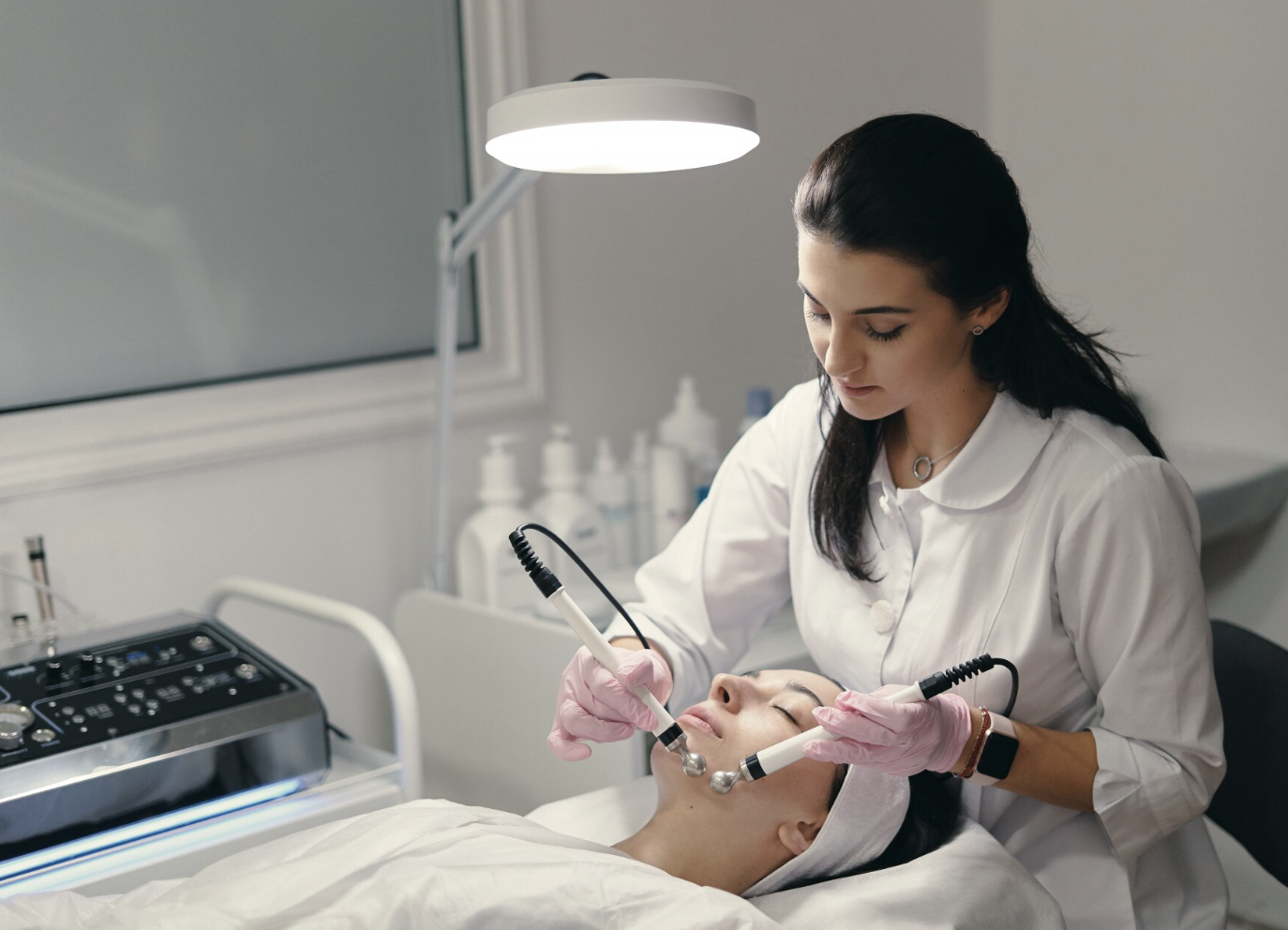
Achieving glowing, healthy skin isn’t about overloading on treatments or rushing through procedures. It’s about building a thoughtful plan tailored to your unique needs, lifestyle, and goals. Combining skincare treatments can accelerate results, but doing too much at once can lead to irritation, setbacks, and unnecessary stress. The key is to develop a straightforward, sustainable approach that respects your skin’s natural healing processes. This guide will help you craft a personalized treatment strategy that balances effectiveness with safety, ensuring steady progress without overwhelming your skin or your schedule.
Simplify Your Routine By Focusing on Your Skin
Before diving into various treatments, it’s essential to assess what your skin truly needs. Instead of choosing everything you see online or from a friend’s routine, focus on your specific concerns.
Reflect on these questions:
- What is the most noticeable issue when you look in the mirror? Fine lines, dark spots, acne scars, redness, or uneven tone?
- How much time can you realistically dedicate to healing each month? Do you prefer quick results or are you comfortable with longer, gradual improvements?
- What is your budget? Can you afford multiple treatments, or do you need a more cost effective plan?
Share these answers with your skincare provider. A well designed plan should be based on your personal goals, medical history, and daily routine, not just popular trends.
Understanding the Impact of Different Treatments on Your Skin
Not all skincare procedures are created equal. Some treatments target surface imperfections, while others work deeper within your skin layers. Overloading your skin with multiple aggressive treatments can cause inflammation, prolong healing, and even worsen your condition.
Here are the three main categories of treatments to consider:
- Chemical Peels: These remove dead skin layers to reveal fresh, smoother skin beneath. They vary in strength, from light peels that require minimal downtime to deep peels that need several months to recover.
- Injectables: These include botulinum toxin for smoothing wrinkles and dermal fillers to restore volume. They work quickly and often require fewer sessions.
- Microneedling: This technique uses tiny needles to stimulate collagen production, improving scars, fine lines, and skin texture over time.
Each treatment has specific timing and recovery rules. Proper spacing allows your skin to recover fully, rebuild collagen, and reduce the risk of complications.
Establishing a Realistic Treatment Schedule
A practical way to prevent overdoing it is to follow a simple timing framework. This approach allows your skin to heal naturally between procedures, optimizing results and minimizing side effects.
Below is a recommended pathway you can adapt to your specific needs:
- Light chemical peel: Schedule every 3 to 4 weeks. It’s often safe to combine with injectables if sessions are spaced by a few days.
- Medium chemical peel: Space 6 to 8 weeks apart. Avoid pairing with aggressive microneedling sessions during the same month.
- Deep chemical peel: Allow many months of healing before considering another treatment.
- Microneedling: Space sessions every 4 to 6 weeks. Avoid scheduling close to other resurfacing treatments.
- Injectables: Botulinum toxin can be repeated every 3 to 4 months; fillers last 6 to 18 months, depending on the product and area treated.
Always consult your provider about individual needs, especially if you have sensitive skin, darker skin tones, or health conditions that affect healing.
Building a Simple, Effective Treatment Routine
When designing your plan, think in terms of three steps:
- Focus on one main treatment cycle. For example, a series of microneedling sessions to improve scars or a few chemical peels for sun damage.
- Incorporate one supportive treatment. This could be a gentle facial, light peel, or small injections to address minor concerns.
- Maintain your results at home. Use daily sunscreen, gentle cleansers, and moisturizer to protect your skin barrier. Avoid harsh scrubs, strong toners, or new active ingredients without guidance.
This straightforward approach keeps your schedule manageable and prevents overloading your skin.
How to Prepare Before Visiting Your Skin Specialist
Clear communication is vital to avoid misunderstandings and ensure your safety. Before starting or combining treatments, ask these questions:
- What is the primary goal of each recommended procedure?
- Can any treatments be delayed if my skin shows signs of irritation or overreaction?
- How much rest should I give between different types of treatments?
- What are the signs that my skin is healing well?
- When should I contact you if I notice issues like redness, swelling, or pain?
- How will my plan change if I become pregnant, start a new medication, or experience health changes?
Request a written schedule with specific dates, healing timelines, and home care instructions. Having clarity helps you stay on track and feel confident in your choices.
Supporting Your Skin’s Natural Healing Process
Patience is essential. Skin heals in stages first reducing swelling, then repairing the surface, and finally strengthening deeper tissues. Rushing the process can lead to redness, scars, or thin, sensitive skin.
Support healing by:
- Keeping treated areas clean with gentle products
- Shield Your Skin From Harmful Rays, Since UV Light Penetrates Clouds Too
- Avoiding tanning beds and abrasive home devices like harsh brushes
Remember, steady, consistent care yields better results than frequent, aggressive treatments. Think of your skincare routine as training your skin rather than punishing it.
Recognizing Red Flags for Your Skin’s Health and Safety
Your skin’s response can vary. Be alert for signs that indicate you should pause or seek immediate help:
- Increasing pain or discomfort
- Unusual redness, crusting, or pus
- Development of lumps or swelling
- Fever or feeling unwell
If you experience any of these, contact your provider promptly. Also, pause treatments if you’re planning surgery, starting new medications, or if you’re pregnant. These factors can alter your skin’s reaction and require adjustments to your plan.
Balancing Care with Family Life
Many individuals juggle skincare with family responsibilities. To keep your routine manageable:
- Schedule appointments during times that don’t interfere with school or work
- Arrange for help with chores if your skin feels tender or sensitive
- Communicate with children or loved ones about your healing process in simple terms
Being transparent about your skin care needs can foster understanding and support from those around you.
Final Thoughts
Creating a skincare treatment plan that fits your lifestyle is about balance. Combining procedures can accelerate your progress, but it requires careful planning and patience. Focus on your primary concerns, space out treatments appropriately, and protect your skin at home. Ask questions, trust your provider, and listen to your body’s signals. With a steady approach, you can achieve healthier, more vibrant skin without unnecessary stress or setbacks. Remember, skincare is a journey; consistent, mindful care will bring you closer to your goals.