

Oral cancer often develops without pain. Many people feel healthy while danger quietly grows. A routine dental visit can reveal changes you cannot notice. General dentistry offers more than polishing and fillings. It delivers consistent screening that can save lives.
During each appointment, a dentist studies soft tissues carefully. The tongue, gums, cheeks, and throat receive close attention. Even small discolorations matter. Tiny lesions may look harmless at first glance. However, early detection can prevent serious consequences.
Understanding Oral Cancer and Its Impact
Oral cancer forms when abnormal cells grow uncontrollably. It may appear on the lips, tongue, palate, or inner lining. Sometimes it spreads toward the throat region. Early stages rarely cause discomfort. Therefore, many individuals ignore subtle symptoms.
A minor sore can develop into an aggressive tumor. That growth may travel to the jaw or neck. Advanced stages demand intensive therapy. Recovery often becomes complex and lengthy. Survival rates improve dramatically with early discovery.
How Dental Checkups Support Early Diagnosis
Routine exams include a quick yet detailed screening. The process takes only a few minutes. Still, those minutes matter greatly. Dentists visually inspect every visible surface. They also feel tissues for unusual firmness.
A typical evaluation may include:
- Examining lips and inner cheeks
- Checking the tongue from multiple angles
- Inspecting the floor of the mouth
- Observing the palate area
- Feeling the neck for swollen nodes
- Asking about persistent sores or bleeding
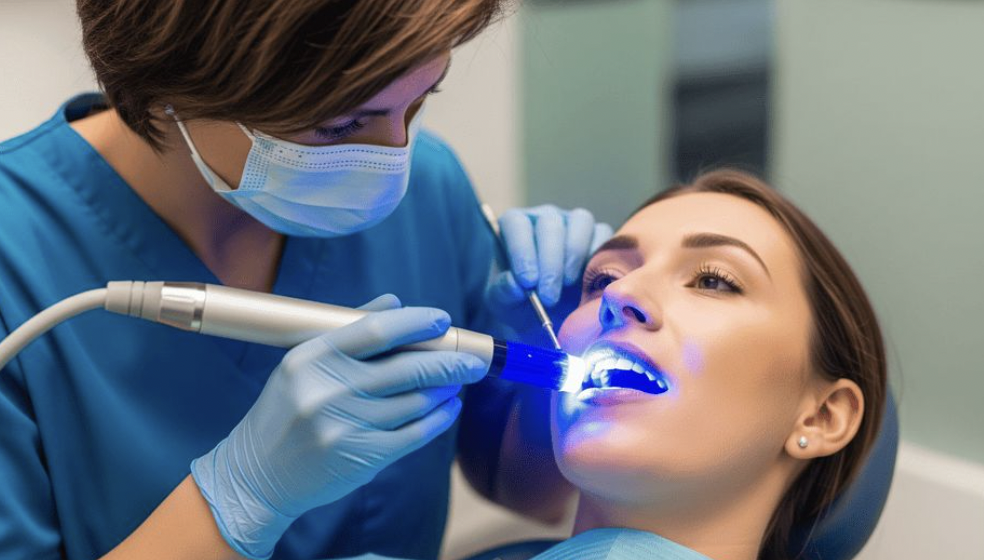
In some cases, special lights highlight suspicious areas. If concern arises, a biopsy may follow. That small sample confirms whether abnormal cells exist. Prompt referral speeds treatment decisions.
Symptoms You Should Never Overlook
You see your mouth daily. Therefore, self awareness adds protection. Contact a professional if symptoms last longer than two weeks.
Watch for:
- A sore that refuses to heal
- White or red patches
- Unexplained bleeding
- Persistent numbness
- Pain while chewing
- A lump or thickened tissue
- Loose teeth without injury
- Ongoing hoarseness
Pain is not always present. In fact, early stages often feel painless. Waiting for discomfort can delay care. Immediate attention improves outcomes.
Why Early Detection Changes Everything
Dentists often notice gradual changes over time. Regular visits create a clear health record. That history allows professionals to compare tissue conditions. Subtle differences become easier to detect.
Early identification offers several advantages:
- Higher survival probability
- Reduced surgical intervention
- Better speech preservation
- Faster healing
- Lower treatment intensity
When diagnosis occurs late, therapy becomes more aggressive. Consequently, recovery can affect eating and communication. Preventive screening reduces those risks.
Key Risk Factors Professionals Monitor
Certain behaviors increase vulnerability. Dental teams evaluate these during every visit. Lifestyle patterns influence tissue health significantly.
Major contributors include:
- Tobacco smoking
- Smokeless tobacco products
- Heavy alcohol intake
- Combined alcohol and tobacco use
- Human papillomavirus infection
- Excess sun exposure on lips
- Previous head or neck malignancy
- Weakened immune response
Open communication improves prevention strategies. Dentists may suggest habit changes to reduce exposure. Quitting tobacco greatly lowers future danger. Limiting alcohol also helps protect tissues.
The Power of Consistent Appointments
Frequency matters greatly. Many adults benefit from two yearly visits. Higher risk individuals may require more frequent evaluations. Skipping care decreases early detection chances.
Regular checkups allow small abnormalities to surface quickly. In contrast, long gaps permit silent progression. Early stage findings usually need simpler therapy. Advanced cases often demand extensive procedures.
Preventive dentistry creates a protective routine. That routine strengthens long term wellness. Consistency truly supports better health outcomes.
Practical Steps to Lower Your Risk
You can take action today. Small habits make a powerful difference. Begin with consistent dental scheduling. Add monthly self exams under bright light. Furthermore, stop tobacco use immediately.
Limit alcohol consumption whenever possible. Protect lips using sun protection balm. Discuss HPV vaccination with a medical provider. Share family medical history during appointments. Clear communication allows tailored care.
Healthy daily choices support professional monitoring. Together, they create a strong defense system.
General Dentistry as a Lifesaving Shield
General dentistry functions as a frontline safeguard. It goes far beyond cavity repair. Each appointment offers a valuable screening opportunity. Opening your mouth for examination may protect your future.
Oral cancer rarely announces itself loudly. Yet skilled observation can uncover its earliest signals. Preventive attention strengthens confidence and safety. Regular dental care ultimately preserves speech, nutrition, and overall wellbeing.
Consistent screenings transform routine visits into life protecting moments. Make those visits a priority. Your health depends on vigilance and timely action.