

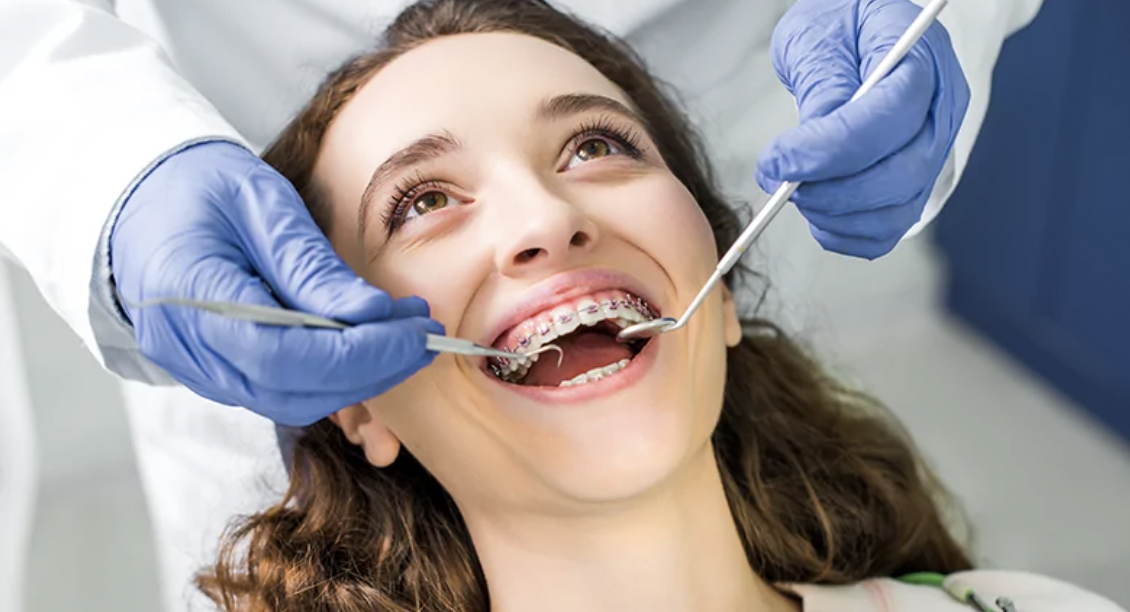
A radiant grin does not happen by chance. Instead, it grows through planned orthodontic treatment and steady guidance. Skilled specialists use braces or aligners to refine alignment and balance jaw function. As a result, patients gain comfort while chewing and speaking.
Straight positioning also shields enamel from uneven pressure. Consequently, this reduces fractures and long term wear. Although quick cosmetic fixes seem tempting, structured care delivers stable outcomes. Therefore, a personalized roadmap always matters more than speed.
From consultation to final retainer, each phase supports lasting oral harmony. Moreover, clear communication ensures every patient understands expectations.
Why Proper Alignment Supports Total Wellness
Crowded arches trap debris in narrow gaps. As a result, plaque lingers and decay risk increases. In contrast, evenly spaced teeth allow efficient brushing and flossing.
Jaw imbalance also triggers muscle tension and joint stress. Over time, that strain may cause headaches or surface damage. Balanced contact spreads chewing force evenly. Consequently, each tooth carries its share without overload.
Confidence also improves when alignment looks natural. People often smile freely in photos and conversations. Therefore, emotional comfort grows alongside physical health.
When To Begin Orthodontic Guidance
Timing varies based on growth patterns and spacing concerns. However, early evaluation often prevents complex corrections later.
Children benefit from assessment around age seven, according to the American Association of Orthodontists. Early review identifies jaw development concerns or severe overlap.
Teenagers often begin comprehensive correction once permanent teeth erupt. At this stage, braces or transparent trays adjust positioning efficiently.
Adults also achieve strong outcomes. Teeth respond to measured pressure at any age. Therefore, many pursue correction before restorative dental procedures.
What Happens During The Initial Consultation
The first appointment gathers essential diagnostic records. Initially, patients discuss spacing, bite patterns, or discomfort. Then, the clinical team captures detailed images and digital scans.
X rays reveal root placement and bone structure. Photographs document facial balance and tooth position. After reviewing data, the specialist outlines a practical timeline.
Clear explanations build trust and direction. Patients understand expected changes and maintenance duties. Consequently, treatment begins with confidence.
Orthodontic Solutions For Every Lifestyle
Different tools address varied alignment concerns. Selection depends on complexity, aesthetics, and daily routine.
Metal Braces
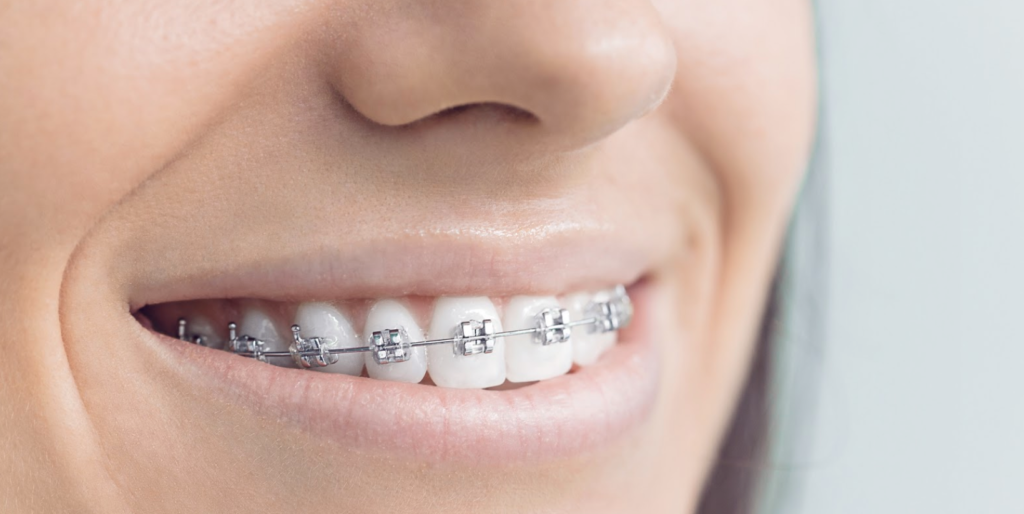
Stainless brackets attach securely to enamel. Wires apply consistent pressure for controlled movement. Therefore, this option handles complex bite discrepancies effectively.
Ceramic Braces
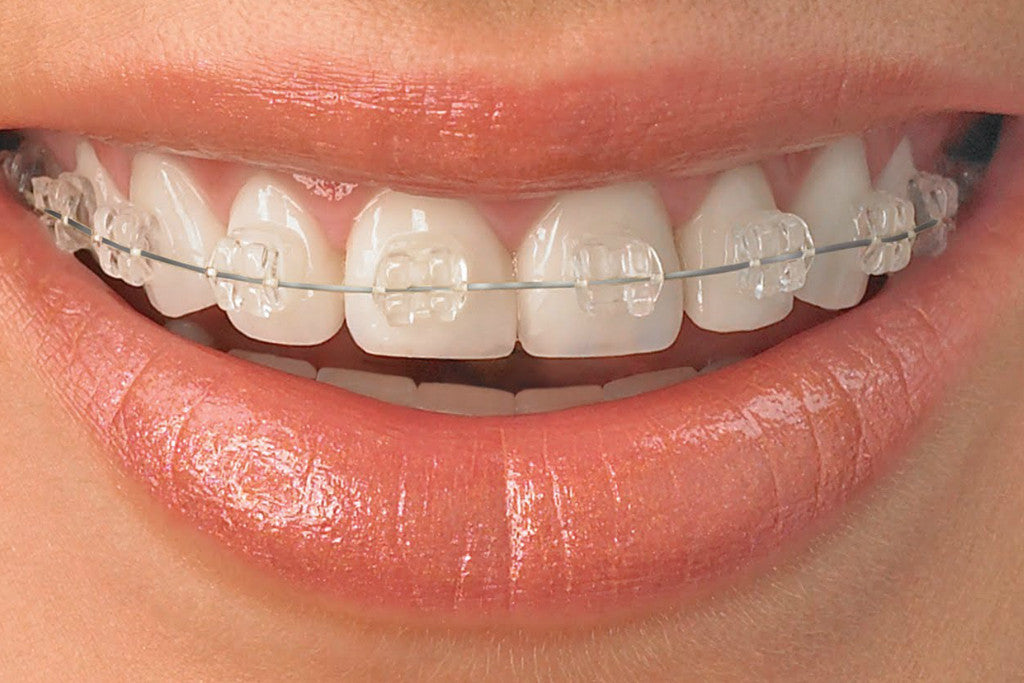
Tooth toned brackets blend with natural shade. Function matches traditional systems. However, appearance feels subtler in professional settings.
Clear Aligners
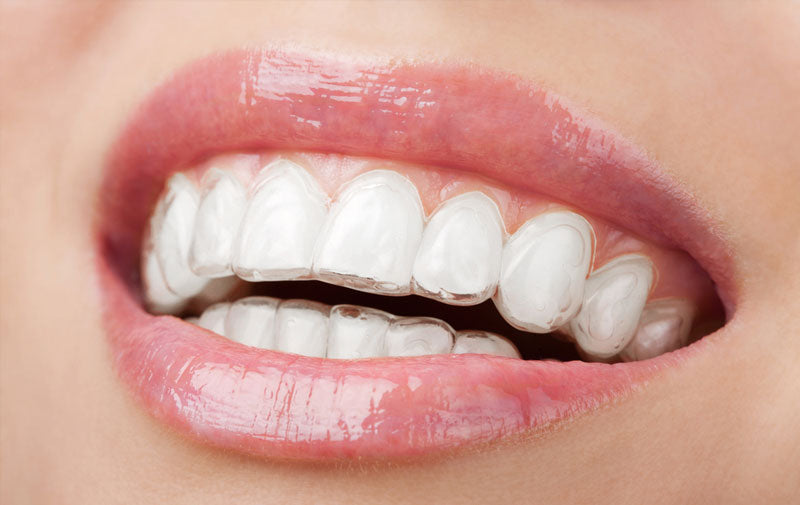
Removable trays shift positioning gradually. Each set advances progress in small increments. Additionally, patients remove them for meals and hygiene.
Early Growth Appliances
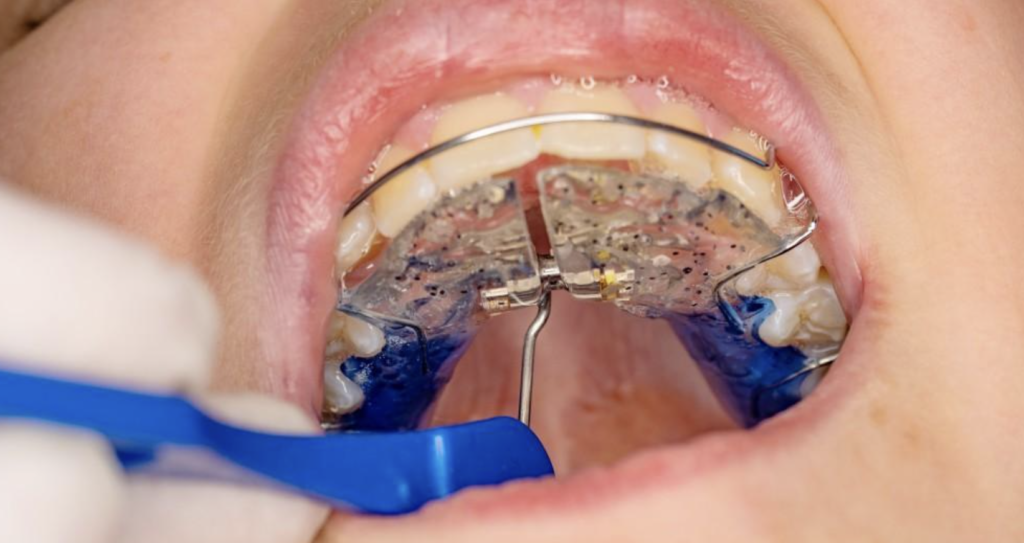
Special devices guide jaw expansion in young patients. Consequently, developing arches gain space for emerging teeth.
Understanding Biological Tooth Movement
Orthodontic force remains gentle and calculated. Light pressure stimulates bone remodeling around roots. Gradually, teeth shift into improved alignment.
Rushing this process risks instability. Therefore, appointments occur at measured intervals. Adjustments refine direction and maintain control.
Three stages define safe correction. First comes activation through mild force. Next, steady repositioning shapes alignment. Finally, stabilization allows tissue adaptation.
Daily Habits That Protect Progress
Successful outcomes rely on partnership. Appliances apply force, yet personal discipline safeguards results.
Brush thoroughly after meals and before rest. Clean between teeth using floss or specialized tools. Wear elastic bands as prescribed. Keep trays in place for recommended hours.
Avoid sticky snacks and hard items that damage brackets. Furthermore, attend scheduled reviews without delay. Open communication prevents setbacks.
Retention And Long Term Stability
Completion marks transformation, not the end. Teeth naturally attempt slight relapse. Consequently, retention devices secure final positioning.
Options include removable clear retainers, wire reinforced designs, or bonded fixed supports. Initially, extended daily wear proves essential. Later, nighttime use maintains alignment.
Neglecting retention invites gradual shifting. Therefore, consistent use preserves investment and appearance.
Safeguarding Results For Decades
Routine dental visits ensure ongoing health monitoring. Protective mouthguards shield enamel during sports. Additionally, replacing damaged retainers prevents unwanted movement.
Small, steady actions defend structural balance. Ultimately, professional oversight and responsible habits sustain oral strength.
A carefully aligned smile supports speech clarity and efficient chewing. More importantly, it reinforces self assurance in every interaction. With structured planning and cooperative care, that transformation endures for life.